
What Are the Common Failure Causes of Octagonal Ring Joint Gaskets in Oil & Gas Applications?
2026-04-02
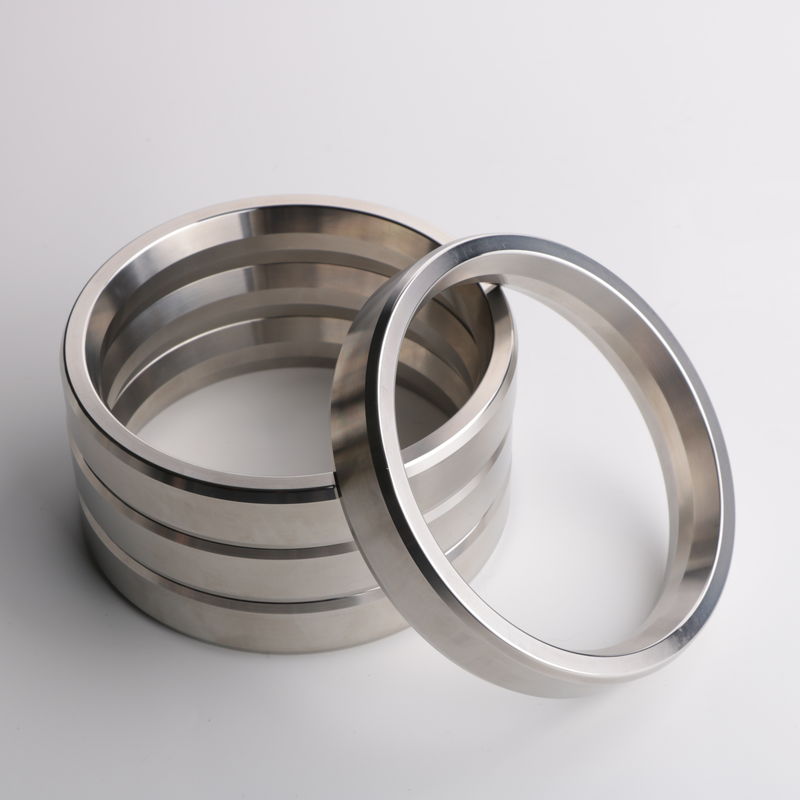
In upstream and downstream oil and gas operations, sealing integrity is critical for maintaining pressure control, preventing leaks, and ensuring operational safety. In high-pressure, high-temperature environments such as wellheads, valves, and pressure vessels, metal-to-metal sealing components are widely used. Among them, the Octagonal Ring Joint Gasket plays a vital role in API 6A flange connections. However, field failures still occur due to multiple technical and operational factors. Understanding these causes is essential for engineers, procurement teams, and maintenance personnel seeking long-term reliability.
Why Do Material Selection Issues Lead to Gasket Failure?
Material incompatibility remains one of the most common causes of sealing failure in harsh oilfield environments. The Octagonal Ring Joint Gasket must withstand extreme pressure loads, aggressive media such as H2S and CO2, and wide temperature fluctuations. If the selected material grade does not match the service conditions, premature deformation or corrosion can occur.
For example, using carbon steel in sour service environments without proper NACE compliance can result in sulfide stress cracking. Similarly, insufficient hardness matching between the gasket and flange groove may lead to improper sealing or surface damage.
At Ningbo Kaxite Sealing Materials Co., Ltd., our factory emphasizes strict material traceability and compliance with international standards such as API 6A and ASME B16.20. Our engineering team evaluates working conditions carefully to ensure that our sealing solutions meet field-specific requirements.
| Material Grade | Typical Application | Key Properties |
| Soft Iron | General service | Good sealing, low hardness |
| SS304 | Corrosive environments | Excellent corrosion resistance |
| SS316 | Offshore and chemical exposure | Enhanced resistance to chlorides |
| Inconel 625 | High temperature, sour service | Superior strength and corrosion resistance |
How Does Improper Installation Affect Sealing Performance?
Even with high-quality components, incorrect installation practices can lead to failure. Misalignment between flanges, uneven bolt tightening, and improper torque application can prevent the Octagonal Ring Joint Gasket from achieving proper seating stress.
In field operations, technicians sometimes reuse gaskets or fail to clean the groove surfaces thoroughly. These practices increase the risk of leakage, especially under cyclic pressure conditions. Additionally, improper lubrication of bolts can lead to inaccurate torque values, further compromising sealing performance.
Our factory recommends following API torque guidelines and using calibrated tools to ensure uniform load distribution. Ningbo Kaxite Sealing Materials Co., Ltd. provides technical documentation and support to help operators achieve correct installation procedures in demanding environments.
What Role Does Surface Finish and Groove Condition Play?
The sealing efficiency of an Octagonal Ring Joint Gasket depends heavily on the condition of the flange groove. Surface roughness, scratches, or deformation can prevent proper metal-to-metal contact, leading to leakage paths.
In many oilfield cases, flange grooves suffer from wear due to repeated assembly and disassembly. If the groove dimensions fall outside API tolerances, the gasket may not seat correctly, resulting in uneven stress distribution.
Our engineering approach focuses on precision machining and strict dimensional control. Our factory ensures that each gasket meets tight tolerances to match standard RTJ grooves, minimizing the risk of sealing failure caused by surface inconsistencies.
Why Do Operational Conditions Accelerate Gasket Failure?
Oil and gas systems often operate under extreme conditions, including high pressure, thermal cycling, and vibration. These factors can gradually degrade sealing performance over time.
Thermal expansion and contraction may cause micro-movements between the gasket and flange, leading to loss of contact stress. In addition, pressure surges and mechanical vibrations can accelerate fatigue in the sealing interface.
To address these challenges, our factory designs products with optimized hardness and mechanical strength. The Octagonal Ring Joint Gasket produced by Ningbo Kaxite Sealing Materials Co., Ltd. is engineered to maintain stability under dynamic conditions, ensuring consistent sealing performance.
| Parameter | Value Range | Standard |
| Hardness | 90-120 HB | API 6A |
| Pressure Rating | Up to 20,000 PSI | ASME B16.20 |
| Temperature Range | -200°C to 650°C | Material dependent |
| Surface Finish | Ra 1.6-3.2 μm | Precision machined |
How Can Design and Specification Errors Lead to Failures?
Incorrect gasket sizing, mismatched standards, or improper selection of pressure class can result in immediate or delayed failure. In global projects, differences between API, ASME, and DIN standards may create compatibility issues if not properly addressed.
Engineers must ensure that the selected Octagonal Ring Joint Gasket matches the flange type, pressure rating, and service conditions. Using undersized or oversized gaskets can compromise sealing integrity and lead to costly downtime.
Our factory provides customized solutions based on project specifications. By working closely with clients, we ensure that our products meet exact dimensional and performance requirements, reducing the risk of design-related failures.
FAQ: What Are the Common Failure Causes of Octagonal Ring Joint Gaskets in Oil & Gas Applications?
Q1: What is the most frequent cause of gasket leakage in oilfield applications?
A1: The most common cause is improper installation, including uneven bolt tightening and poor flange alignment. These issues prevent the gasket from achieving the required seating stress, leading to leakage under pressure.
Q2: How can operators extend the service life of ring joint gaskets?
A2: Operators should select the correct material based on service conditions, follow proper installation procedures, and regularly inspect flange surfaces. Avoiding gasket reuse and maintaining groove integrity are also critical for long-term performance.
Q3: Why is material selection so important for high-pressure sealing?
A3: Different materials respond differently to temperature, pressure, and corrosive media. Choosing the wrong material can result in deformation, corrosion, or cracking, all of which compromise sealing performance and safety.
In oil and gas applications, gasket failure is rarely caused by a single factor. Instead, it results from a combination of material selection, installation practices, operational conditions, and design accuracy. By addressing these areas systematically, operators can significantly reduce the risk of leakage and improve system reliability. Our factory continues to refine manufacturing processes and material selection to meet the evolving demands of the industry. If you are looking for reliable sealing solutions tailored to your project, contact our team today to get technical support and a customized quotation.
