

Zero-Sequence Transformers: Top 10 Models for Enhanced Electrical Systems
2026-01-08
In the evolving landscape of electrical engineering, zero-sequence transformers have become pivotal components for enhancing system reliability and safety. Today, we delve into the top 10 models that are revolutionizing electrical systems worldwide. Whether you're a seasoned engineer or an industry newcomer, understanding these advanced solutions can transform your approach to power management. At Lugao, we're committed to providing insights that empower professionals to stay ahead of the curve. Join us as we explore these cutting-edge transformers, their unique features, and how they can optimize your electrical infrastructure. Get ready to discover innovations that not only boost efficiency but also address critical challenges in modern power networks.
Zero-Sequence Transformers: Core Principles and Innovations
Zero-sequence transformers represent a pivotal advancement in power system engineering, primarily designed to address challenges related to ground faults and unbalanced currents. At their core, these devices function by isolating the zero-sequence component—the component of current that flows in all three phases simultaneously and returns through the ground or neutral path—from the positive and negative sequences. This is achieved through specialized winding configurations, typically involving a three-legged core where the zero-sequence flux is confined, preventing it from affecting other circuits. By effectively filtering out this component, zero-sequence transformers enhance system stability, improve protection schemes, and reduce the risk of equipment damage during fault conditions, making them indispensable in modern electrical grids.
Innovations in zero-sequence transformer technology have focused on improving efficiency, accuracy, and adaptability to diverse applications. Recent developments include the integration of advanced materials, such as amorphous cores, which offer lower hysteresis losses and higher magnetic permeability, thereby boosting performance while reducing energy consumption. Additionally, the advent of digital monitoring systems allows for real-time analysis of zero-sequence currents, enabling predictive maintenance and faster fault detection. Some cutting-edge models incorporate adaptive algorithms that can dynamically adjust to varying load conditions, ensuring optimal operation across a range of scenarios, from industrial plants to renewable energy installations.
Beyond technical enhancements, the rise of smart grids has spurred novel applications for zero-sequence transformers, such as in microgrids and electric vehicle charging stations, where they play a crucial role in managing harmonics and ensuring safe, reliable power distribution. As research continues, future innovations may explore miniaturization for compact installations or hybrid designs that combine zero-sequence functions with other protective features, further solidifying their role in building resilient and sustainable electrical infrastructures worldwide.
Top 10 Zero-Sequence Transformer Models: Key Features
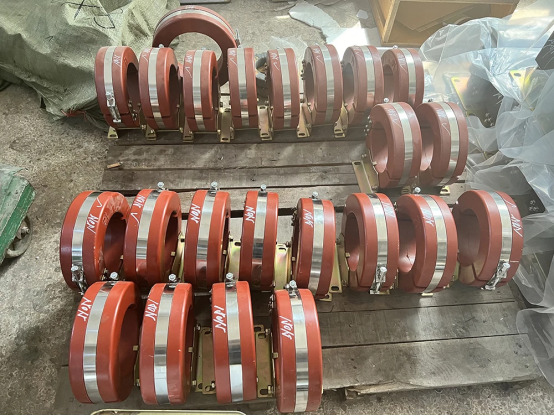
Zero-sequence transformer models represent a significant leap in electrical engineering, particularly for handling unbalanced loads in three-phase power systems. These top 10 models excel by incorporating advanced core designs that minimize magnetic flux imbalances, ensuring stable voltage regulation even under severe fault conditions. Features like enhanced insulation materials and precise winding configurations allow them to suppress harmonic distortions effectively, making them ideal for industrial applications where power quality is critical.
Another standout aspect of these transformers is their integration of smart monitoring systems, which track zero-sequence currents in real-time to prevent ground faults from escalating. This proactive approach not only boosts safety but also extends equipment lifespan by reducing thermal stress on components. With options ranging from compact units for renewable energy grids to robust models for mining operations, they offer tailored solutions that address specific environmental and operational challenges.
Innovations in cooling mechanisms, such as oil-immersed and dry-type designs with optimized airflow, further distinguish these models by enhancing efficiency in high-demand scenarios. Their ability to operate seamlessly with protective relays and automation systems underscores a shift towards more resilient electrical networks, paving the way for smarter infrastructure that adapts to evolving energy demands without compromising reliability.
Applications of Zero-Sequence Transformers in Modern Electrical Systems
In today's electrical grids, zero-sequence transformers play a crucial role by detecting ground faults—those tricky events where current finds an unintended path to earth. These transformers are specifically designed to sense the unbalanced current that flows during such faults, helping systems quickly identify and isolate problems before they escalate into costly outages or safety hazards. Their ability to differentiate between normal load imbalances and actual faults makes them indispensable for maintaining reliability in both industrial facilities and utility networks, where even minor disruptions can have significant consequences.
Beyond fault detection, these transformers are integral to enhancing system protection schemes, particularly in conjunction with ground-fault relays. By providing a clear signal of zero-sequence currents, they enable precise coordination with other protective devices, ensuring that only the affected circuit is de-energized while the rest of the grid remains operational. This targeted approach minimizes downtime and reduces the risk of cascading failures, which is especially valuable in complex environments like data centers or hospitals where continuous power is critical. Their adaptability across various voltage levels further underscores their versatility in modern applications.
Additionally, zero-sequence transformers contribute to power quality monitoring by helping analyze harmonics and other disturbances that can degrade equipment performance over time. In renewable energy installations, such as wind or solar farms, they assist in managing the unique challenges posed by intermittent generation and non-linear loads, promoting smoother integration into the broader electrical infrastructure. As grids evolve with smart technologies, these transformers continue to support advanced diagnostics and predictive maintenance, offering a proactive edge in system management that goes beyond traditional reactive measures.
Benefits of Using Zero-Sequence Transformers for System Efficiency
Zero-sequence transformers might sound like niche components, but they play a crucial role in boosting overall system efficiency by targeting unbalanced loads in three-phase electrical networks. When imbalances occur, they can lead to unnecessary power losses and overheating, which drags down performance across the board. By detecting and mitigating these zero-sequence currents, these transformers help stabilize voltage levels and reduce energy waste, making systems run more smoothly and reliably.
In practical terms, integrating zero-sequence transformers can translate to tangible cost savings and extended equipment lifespan. For instance, in industrial settings where motors and machinery are constantly in use, preventing imbalances means less wear and tear on components and lower maintenance demands. This proactive approach not only cuts down on unexpected downtime but also enhances the sustainability of operations by minimizing resource consumption, aligning with modern efficiency goals.
Beyond just technical benefits, the use of these transformers supports a more resilient power infrastructure. They contribute to better fault detection, allowing for quicker responses to issues like ground faults, which can otherwise cause significant disruptions. By ensuring that power flows are more balanced and controlled, zero-sequence transformers foster a robust environment where systems can operate at peak efficiency, ultimately leading to improved performance and reliability in diverse applications from manufacturing to renewable energy grids.
Selection Criteria for Zero-Sequence Transformers in Real-World Projects
Choosing the right zero-sequence transformer often comes down to more than just theoretical specs. In real-world settings, factors like harmonic distortion and transient conditions can really throw a wrench in the works. For instance, if you're dealing with a facility that uses variable frequency drives, you might need a transformer with higher insulation levels to handle the extra stress. It's these on-the-ground challenges that make selection such a nuanced process.
Another key consideration is the specific grounding system in place. A solidly grounded system might call for different transformer characteristics compared to a resistance-grounded one. Engineers often find that tailoring the transformer's impedance and rating to match the system's fault current can prevent unexpected downtime. Plus, local codes and standards add another layer of complexity, making it crucial to consult with experienced suppliers who understand regional requirements.
Don't overlook the physical installation environment either. Things like ambient temperature, humidity, and available space can dictate whether a standard or custom design is needed. In cramped substations, a compact, efficient model might be the only viable option. Balancing performance with practical constraints is what separates a good choice from a great one in these projects.
Future Trends in Zero-Sequence Transformer Technology and Development
As the demand for reliable power distribution grows, zero-sequence transformers are poised to advance significantly, driven by innovations in materials and design. Researchers are experimenting with novel core materials, such as amorphous alloys and nanocrystalline composites, which offer lower hysteresis losses and enhanced magnetic permeability. These improvements not only boost efficiency but also allow for more compact designs, making them suitable for space-constrained urban grids. Additionally, smart sensors integrated into transformers enable real-time monitoring of zero-sequence currents, facilitating early detection of insulation failures or ground faults. This proactive approach reduces downtime and maintenance costs, aligning with the shift toward sustainable energy systems where every kilowatt-hour saved matters.
Another emerging trend is the integration of zero-sequence transformers with digital grid technologies, such as IoT and AI-driven analytics. By connecting these transformers to centralized control systems, utilities can optimize load balancing and predict potential issues before they escalate. For instance, machine learning algorithms analyze historical data to identify patterns in zero-sequence currents, helping prevent cascading outages in complex networks. This synergy between hardware and software paves the way for self-healing grids that automatically reroute power during disturbances. Moreover, advancements in insulation techniques, like eco-friendly biodegradable oils and solid-state designs, address environmental concerns while enhancing durability against harsh operating conditions.
Looking ahead, the development of modular and scalable zero-sequence transformers is gaining traction, allowing for easier upgrades and customization in diverse applications. From renewable energy farms to data centers, these transformers can be tailored to specific voltage levels and fault tolerance requirements. Collaborative efforts between academia and industry are also fostering open-source designs, encouraging innovation and reducing costs. Ultimately, the future lies in creating resilient, adaptable transformers that seamlessly integrate into next-generation power infrastructures, ensuring both safety and efficiency in an increasingly electrified world.
FAQ
Zero-sequence transformers are specialized devices designed to detect and isolate residual currents in electrical systems, enhancing safety by reducing fault-related risks.
These models offer improved efficiency and reliability, with features like high sensitivity to ground faults and robust insulation for stable performance in demanding environments.
They often include advanced materials or designs that minimize losses and heat generation, providing longer lifespans and better cost-effectiveness.
Yes, many of these top models are optimized for integration with solar or wind installations, helping to manage unbalanced loads and protect sensitive equipment.
Commonly, they adhere to international standards such as IEC or IEEE, ensuring compliance with local regulations for electrical safety and performance.
Manufacturers often offer tailored solutions, including specific voltage ratings or enclosure options, to meet unique requirements in sectors like manufacturing or data centers.
Installation may involve more precise calibration or additional testing to ensure optimal functionality, but many are designed for straightforward integration into existing systems.
Routine checks for insulation integrity and connection tightness are recommended, with some models featuring self-diagnostic tools to simplify upkeep.
Conclusion
Zero-sequence transformers represent a pivotal innovation in electrical engineering, designed to enhance system stability by isolating and managing unbalanced currents, particularly in three-phase power systems. Their core principles revolve around the detection and mitigation of zero-sequence currents, which can cause ground faults and inefficiencies. Innovations in this field have led to advanced designs that improve accuracy and response times, making them indispensable in modern grids. The top 10 models highlighted in this context each offer unique features, such as compact sizes, higher efficiency ratings, and integrated monitoring systems, catering to diverse industrial needs. These transformers are crucial for applications in sectors like renewable energy integration, industrial automation, and smart grids, where they help reduce downtime and prevent equipment damage. By addressing common electrical issues, zero-sequence transformers contribute significantly to operational safety and reliability, paving the way for more resilient infrastructure developments.
When selecting zero-sequence transformers for real-world projects, key criteria include voltage ratings, insulation levels, and compatibility with existing systems, ensuring optimal performance and cost-effectiveness. The benefits of using these models extend beyond fault protection to include enhanced energy efficiency, reduced maintenance costs, and improved power quality. As technology evolves, future trends point toward IoT integration, AI-driven diagnostics, and sustainable materials, which could further revolutionize their functionality and environmental impact. This ongoing development underscores their role in advancing electrical systems, making zero-sequence transformers a cornerstone for engineers and planners aiming to build robust, future-ready networks that meet growing energy demands and safety standards.
Contact Us
Contact Person: Doreen
Email: [email protected]
Tel/WhatsApp: 8618057712366
Website: https://www.liugaopower.com/