

Vaginal Tightening Laser Options That Actually Work and How to Choose the Best One
2026-11-18
If you’ve been down the rabbit hole of vaginal tightening laser options, you know the problem: too many devices, too little clarity on what actually works. Some treatments sound impressive but deliver little; others get results when matched correctly to the right patient and protocol. That distinction matters more than most clinics admit. Below, we’ll walk through the technologies that hold up, how to compare them, and how to choose without wasting money. For those sourcing professional equipment, GUANG TAI is one manufacturer worth evaluating alongside your shortlist.
What a Laser Can and Cannot Change
What a Laser Can and Cannot ChangeThe Main Laser Categories You’ll Run Into
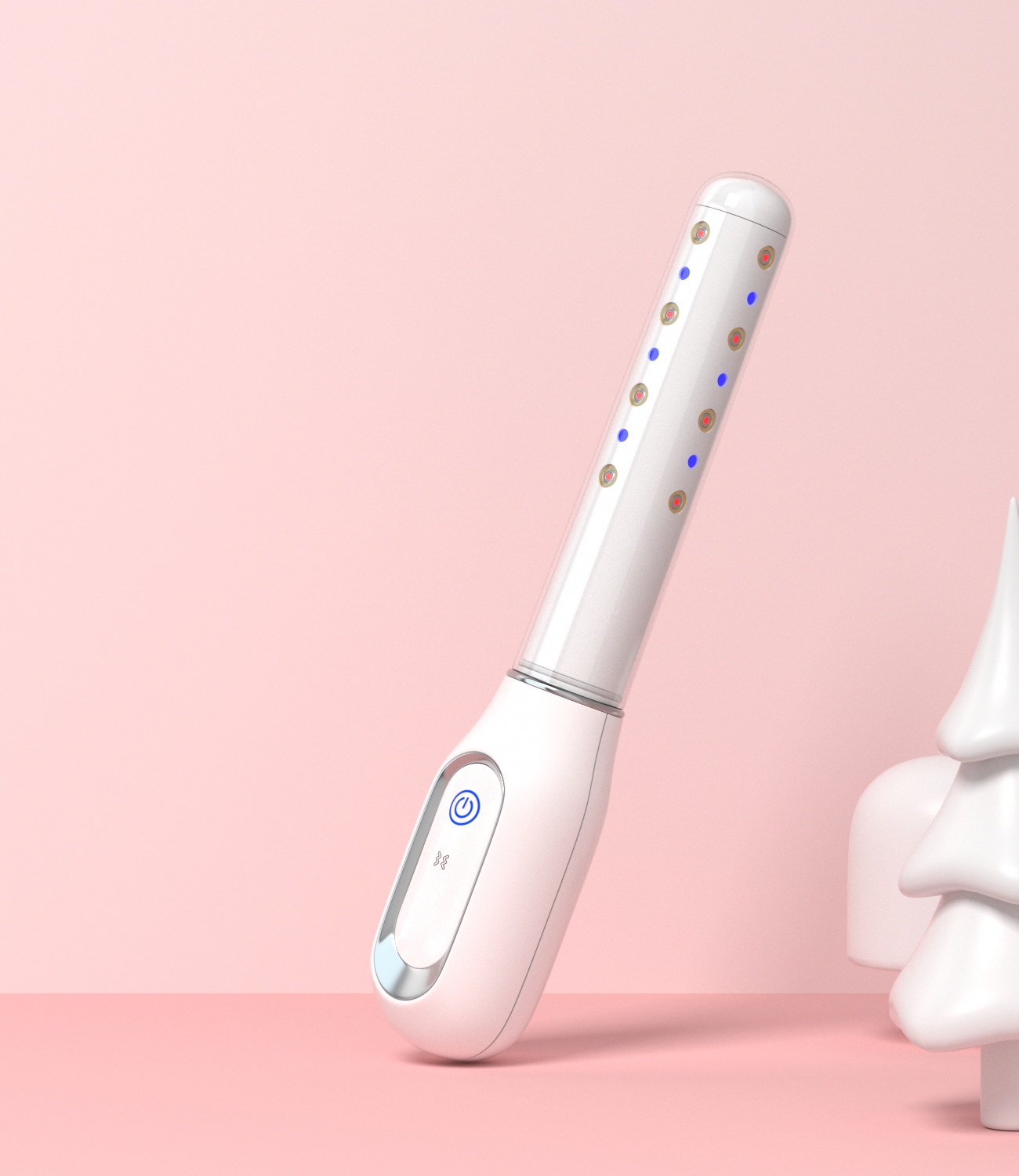
Most hands-on laser work ends up circling a few core categories, and they show up in different places depending on the job. Gas lasers still earn their keep in cutting and medical equipment because they put out a steady, high-power beam, though they are bulky and demand careful alignment. Solid-state lasers feel almost opposite in practice: the gain medium is a crystal or glass doped with materials like neodymium or ytterbium, which keeps the package compact enough for engraving, ranging, and plenty of lab work.
Fiber lasers are the category you will most likely run into for metal marking and welding. The gain medium is drawn into a long flexible fiber, so the beam stays clean without constant mirror tweaks and the system runs cooler than older rod-style designs. Diode lasers are less flashy on their own, but they work behind the scenes constantly, pumping other laser types and covering scanning, alignment, and lower-power jobs without much fuss.
If your work pulls toward tunable sources, dye lasers and a few specialty designs might appear, but most day-to-day choices come back to gas, solid-state, fiber, or diode. Once you stop treating the categories as a rigid list and start matching the source to the task, the practical differences become much easier to read.
Why Settings and Depth Decide the Outcome
Settings do more than frame a scene. They limit what a character can reach, how long a choice takes, and which risks feel real. The same argument between two people changes shape in a cramped kitchen, a hospital waiting room, or a car parked at the edge of a cliff. Those details are not decoration; they are pressure. When the pressure is missing, outcomes tend to arrive too easily or too conveniently.
Depth works quietly. A setting with a few sharp layers—old resentment in a small town, a building that used to be something else, weather that refuses to cooperate—gives a story more than atmosphere. It gives decisions weight. A character who ignores the history of a place can still act, but the reader understands why that action costs something. Without that texture, every possible ending sits on the same flat surface, and none of them feel inevitable.
The outcome stops being a plot device when it grows out of what came before. A locked gate, a flooded road, a borrowed coat, a name half-remembered: small pieces of setting can quietly steer a character toward one result instead of another. That is why depth matters less as ornament and more as architecture. It lets the final turn feel discovered rather than imposed.
Questions That Expose a Good Provider Fast
Most people reveal their instincts under pressure, not during polite conversation. Ask what they would do if a steady income disappeared for six months, and pay attention to whether they talk about cutting back, finding new work, or leaning on someone else. A good provider usually answers with a plan that includes both short-term adjustments and a longer-term way back to stability.
Another fast test is how they treat resources that are not their own. Bring up a time they borrowed something, handled a shared bill, or had to split an unexpected cost. People who are genuinely dependable tend to remember details, repay quickly, and avoid making the other person chase them. Vague answers or jokes about being bad with money are often quiet signals of how they will handle bigger obligations later.
You can also ask about a past mistake involving work, money, or a missed commitment. Listen for accountability rather than excuses. A strong provider will describe what went wrong, what it cost, and what they changed. That combination of honesty and follow-through tells you more than any list of accomplishments.
Downtime, Discomfort, and When the Tightening Becomes Noticeable
The first few days after an adjustment rarely feel like progress. Wires that were comfortable on Tuesday start pressing into the inside of your cheek by Wednesday evening, and the dull ache settles in just as you're trying to fall asleep. Most people notice the shift not in the mirror but in small, ordinary moments: biting into soft bread feels wrong, flossing turns into a careful negotiation, and the pressure becomes a background hum that follows you through the afternoon.
What surprises many patients is how uneven the discomfort can be. One side of the mouth may throb while the other stays quiet, and a bracket that never bothered you before can suddenly feel sharp against your tongue. That tightness usually peaks around the second or third day, then fades in a slow, uneven way. It isn't always a sign that something has gone wrong. It often means the teeth are finally responding to the new position they're being asked to hold.
Red Flags That Separate Medical Care From a Sales Script
A genuine doctor's office rarely feels like a pitch. When you walk in for a headache and leave with three supplement recommendations, a membership discount, and a pamphlet about their new wellness line, something has shifted. Real medical conversations hinge on symptoms, history, and evidence—not on which package you choose before the exam even begins. If the provider keeps steering the talk toward products or add-ons that aren't tied to your diagnosis, you're likely hearing a sales script dressed in scrubs.
Watch how the staff handles uncertainty. Honest medicine admits when a test isn't necessary or when a symptom might resolve on its own. A sales-driven office, by contrast, fills every silence with an upsell: an extra scan, a subscription service, a proprietary lab panel that "everyone really should get." These offers often arrive before the doctor has fully examined you, as if the treatment plan were already written in the marketing department.
Pay attention to what happens after you say no. In a care-focused setting, a decline is respected and the visit moves on. In a scripted environment, the pressure returns—maybe softer, maybe with a story about another patient who benefited, maybe with a time-limited "special." That relentless nudge is the clearest signal: the priority isn't your health outcome, it's the monthly revenue target behind the white coat.
FAQ
The most common systems rely on fractional CO2 or Er:YAG wavelengths. CO2 devices like MonaLisa Touch and FemiLift heat the mucosal tissue to trigger collagen contraction and remodeling, while Er:YAG platforms such as IntimaLase typically use a gentler thermal pulse with less downtime. Some clinics also offer hybrid fractional devices that combine ablative and thermal modes. The choice often comes down to your tissue response, comfort tolerance, and how many sessions you are willing to schedule.
The laser's main effect is on collagen-rich connective tissue in the vaginal wall rather than muscle. Thermal injury stimulates fibroblasts, which can improve tone, elasticity, and moisture over several weeks. Patients often notice less laxity and better friction sensation, but it will not repair torn muscle or replace surgical repair for significant prolapse. Realistic expectations matter: it is more about tissue quality than dramatic narrowing.
Most protocols start with three sessions spaced four to six weeks apart, then a maintenance session once or twice a year. Some women report improvement after the second visit, while others need the full initial course plus time for collagen remodeling. If there is no change after three treatments, a different energy setting or an alternative approach may be more appropriate.
Ask whether the device is cleared for gynecologic tissue remodeling and whether the provider performs a pelvic exam before treatment. Look for a clinic that offers a test patch or low-energy first session, explains realistic outcomes, and does not pressure you into packages. Experience with vaginal laser work matters more than the brand name. Also check that they screen for infections, pregnancy, prolapse, and recent pelvic surgery.
Yes. It is generally not recommended during pregnancy, active vaginal or urinary infection, undiagnosed abnormal bleeding, recent vaginal delivery or pelvic surgery, or a history of poor wound healing. Women with significant pelvic organ prolapse, certain autoimmune conditions, or a history of vaginal mesh complications should be evaluated carefully. A thorough exam and medical history should come before any laser session.
Most women describe mild warmth, slight swelling, or a light discharge for a day or two. Sexual intercourse, tampons, and heavy exercise are usually avoided for about three to five days. Many return to work the same day. If you have persistent pain, fever, or unusual bleeding, contact the clinic rather than waiting for it to settle.
Think about your downtime, sensitivity, and treatment goals. Fractional CO2 tends to create more intense tissue remodeling and may be preferred when dryness and laxity are both significant, but it can feel hotter and require a slightly longer healing window. Er:YAG is often chosen for a milder, quicker recovery, especially for maintenance or sensitive tissue. The best choice is usually determined during an exam when the provider can match energy depth to your tissue.
Conclusion
If you are sorting through vaginal tightening lasers, the honest starting point is knowing what the technology can and cannot change. A good device can improve mild laxity, lubrication, and the overall feel of the tissue by heating deeper layers enough to trigger new collagen, but it will not fix significant prolapse or reshape the labia. The main categories you will encounter are fractional CO2 and erbium lasers, plus radiofrequency platforms that are often grouped with laser treatments even when the energy source differs. Within each category, the outcome depends less on the brand name and more on how the provider adjusts depth, pulse duration, and passes. Shallow settings may only renew the surface, while overly aggressive settings can cause pain or scarring without better results. That is why experienced operators often use conservative settings over two or three sessions rather than promising a dramatic change after one visit.
Choosing the right clinic comes down to asking direct questions and watching how the provider responds. Ask what depth they plan to use, how they assess your tissue, and what kind of follow-up they offer if the first round falls short. Most women notice a subtle change after several weeks, with the collagen remodeling continuing for a few months, and mild swelling or discharge for a few days is common. If someone pressures you into a package during the consultation, refuses to discuss settings, or says there is no downtime and instant permanent tightening, treat that as a red flag. A medical provider will talk about limitations, examine you properly, and adjust the plan instead of reading from a sales script.
Contact Us
Contact Person: Manager Mei
Email: [email protected]
Tel/WhatsApp: +8618627866609
Website: https://zzgt.en.alibaba.com/