
Top Q235 Steel Plate Wholesaler: Your Ultimate Guide to Quality Sourcing
2026-05-06
Sourcing Q235 steel plates often feels like navigating a maze of questionable quality and empty promises. You need a supplier that actually delivers—consistent material, fair pricing, and zero hassle. That’s exactly what sets Sanhe Steel apart. In this guide, we’ll unpack what makes a wholesaler truly reliable and why Sanhe Steel has become the go-to partner for projects demanding precision and durability.
What Makes Q235 Steel a Top Choice for Structural Projects
Q235 steel offers a remarkable balance between strength and ductility, two qualities that rarely sit so comfortably together in a single material. With a minimum yield point of 235 MPa, it provides enough rigidity to support heavy loads without snapping under sudden stress. This gives engineers the confidence to design taller frames and longer spans, knowing the steel will flex just enough to absorb unexpected forces like wind gusts or minor seismic shifts.
On the fabrication side, Q235 is refreshingly straightforward to handle. It welds cleanly without demanding specialized preheating or exotic filler metals, and it cuts and drills with minimal tool wear. These practical advantages shorten assembly times and keep labor costs in check, while also reducing the risk of on-site errors during joining. The steel's uniform surface quality also takes primers and coatings evenly, which helps extend the lifespan of exposed structures without extra surface preparation.
Over decades of use in bridges, industrial buildings, and transmission towers, Q235 has proven itself as a dependable material that doesn't require constant inspection or special handling. Its wide availability and moderate alloy content keep raw material costs down, making it an economical backbone for projects where both budget and safety are non-negotiable. The steel's adaptability to different connection methods—bolted, riveted, or welded—further cements its role as a practical default for structural work across a broad range of environments.
Red Flags When Evaluating Steel Plate Suppliers
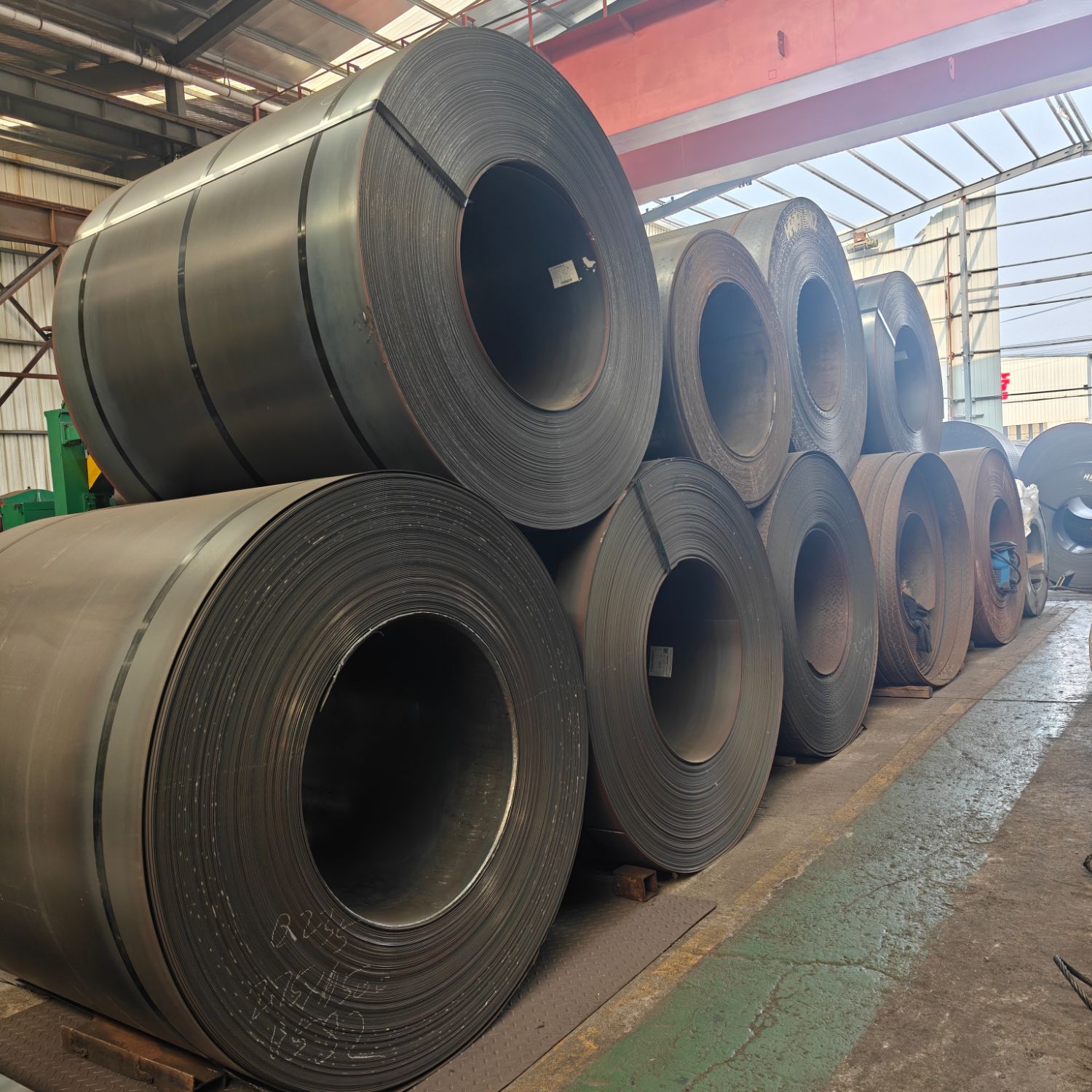
One of the first things that should make you pause is a supplier who can't produce consistent mill test reports or material certifications. If the paperwork looks sloppy, has missing data, or they're hesitant to provide traceability, it often signals deeper quality control problems. Genuine mills take pride in their documentation because it verifies every heat lot meets grade specifications—anything less puts your project at risk.
Be wary of quotes that seem too good to be true. While competitive pricing matters, drastically lower rates often come from cutting corners—like substituting secondary material, skimping on surface prep, or ignoring dimensional tolerances. Ask for a detailed breakdown; if they dodge the question or get defensive, walk away. Reliable pricing reflects real production costs and proper testing, not just flashy discounts.
Communication breakdowns early in the process rarely improve after you place an order. If responses are slow, vague, or they avoid committing to clear lead times, you're likely in for delays down the line. Solid suppliers ask clarifying questions about your application, advise on alternative grades when needed, and keep you updated without you having to chase them. Trust the gut feeling you get during initial back-and-forth—it's usually right.
How to Verify Mill Test Certifications Like a Pro
Verifying mill test certifications like a pro means going beyond a quick glance at the chemistry and mechanical properties. Start by cross-referencing the heat number and product markings on the material itself with the certificate details. Any mismatch here—even a single digit—could indicate a mix-up. Professionals also pay close attention to the revision date and signature of the authorized inspector; a missing or outdated cert can signal that the document was generated after the fact or not properly reviewed.
Next, scrutinize the testing standards and specification limits listed. Don't just check if the numbers are within range—ensure the correct edition of the standard was used, and that all required tests were actually performed. For example, if the material needs Charpy impact testing at a specific temperature, confirm that the reported values meet the criteria for your application, not just the generic limit. This is where many miss critical compliance issues.
Finally, a pro will trace the certificate back to the original testing laboratory or mill. Reach out directly if something seems off; legitimate labs are usually willing to confirm that the report is genuine. Watch for red flags like generic customer names, repeated certificate numbers, or unrealistic uniformity in test results across different heats. By building a mental database of what typical mill certs look like from different suppliers, you’ll quickly spot the ones that deserve a second look.
Negotiating Bulk Orders Without Sacrificing Quality
Scaling up production for a large order often triggers a tug-of-war between price and craftsmanship. The real skill lies not in slashing costs blindly, but in reengineering the process to protect the very details that define your product. Early on, map out which materials and steps are non-negotiable—those that directly shape durability or aesthetic. Then, sit with your suppliers and ask the uncomfortable questions: Where’s the waste? Can we reorder the workflow to trim time without cutting corners?
Pressure to lower the per-unit price is inevitable, but smart buyers know that quality erosion always boomerangs. Instead of discounting, bundle value. Offer staggered delivery schedules that smooth out production peaks, or co-invest in tooling upgrades that reduce long-term costs for both sides. When you anchor negotiations around shared efficiency gains rather than a race to the bottom, you build a partnership that can handle volume without losing the soul of the product.
Testing is your silent guardian in volume deals. Insist on inline quality checks at key stages, not just final inspections. This catches shifts in texture, color consistency, or assembly faults before they multiply across thousands of units. A mutual commitment to real-time sampling builds trust, and trust—not a signed spec sheet—is what actually ensures that the hundredth piece matches the first.
Real-World Uses That Demand Durable Q235 Plates
Heavy machinery frames and agricultural equipment are built from Q235 plates because the steel withstands constant vibration and impact without cracking. Combines, tractors, and excavators rely on this toughness to operate season after season in rough terrain.
Structural components in low-rise buildings and warehouses benefit from Q235's balance of strength and weldability. Columns, beams, and trusses fabricated from these plates handle static loads and occasional wind stress while keeping fabrication straightforward and cost-efficient.
Storage tanks and shipping containers also demand Q235 plates for their resistance to deformation under heavy loads. The material's ability to endure stacking, handling, and long-term exposure without structural failure makes it a practical choice for logistics and industrial storage applications.
Building a Supply Chain That Withstands Market Shifts
Supply chains built on rigid plans tend to crack when demand swings or a key supplier stumbles. A better approach treats volatility as a constant, not an exception. By weaving in redundancy at critical points—dual sourcing for essential materials, for example—you avoid the trap of lean operations that look efficient on paper but falter under real-world stress. This isn’t about hoarding inventory; it’s about mapping your full value stream to spot where a single point of failure could cascade, then thoughtfully layering in alternatives that can scale up or down without eating into margins.
Contracts that lock you into fixed volumes and timelines often do more harm than good when the market pivots. Rethinking those agreements to include built-in flexibility—like adjustable lead times or quantity bands—makes room for reactive moves without penalty. Pair that with a shared data pipeline that gives both you and your suppliers a clear view of actual consumption patterns, and you replace guesswork with a rhythm that adjusts almost in real time. It’s surprising how many disruptions get neutralized when inventory placement and replenishment logic are driven by what’s actually selling rather than historical forecasts that have a short shelf life.
Too many companies overlook the human element in making supply chains resilient. Local teams often hold insights about regional bottlenecks or alternative logistics routes that central planners miss. Setting up a regular cadence where those on the ground flag emerging shifts—and have the authority to act—can keep small hiccups from becoming full-blown crises. It’s also worth investing in supplier relationships beyond the transactional. A partner who trusts you is more likely to give you early warning of their own constraints or prioritize your orders when capacity tightens. That kind of goodwill doesn’t show up on a balance sheet, but it quietly holds things together when the market throws a curveball.
FAQ
A reliable wholesaler combines competitive pricing with consistent material quality, on-time deliveries, and deep industry experience. They often provide mill test certificates and flexible order sizes, so you get exactly what your project needs without unnecessary delays.
Always request material certificates that show chemical composition and mechanical properties. Trusted wholesalers will readily supply these documents. You can also perform a simple visual check for surface finish and dimensional accuracy, or arrange third-party inspection for large bulk orders.
Q235 plates are widely used in general structural engineering, such as building frameworks, bridges, machinery parts, and welded components. Their balanced strength and ductility make them a cost-effective choice for both light and moderate load-bearing structures.
Specialized wholesalers usually have deeper inventory of Q235 plates, allowing faster turnaround and better knowledge of grades and specifications. They can offer technical advice on fabrication, welding, and compliance with international standards that a general supplier might lack.
Pricing depends on global steel market trends, raw material costs, production volumes, and logistics. Wholesalers who maintain robust supply chains and bulk stock can often stabilize prices and offer better long-term contracts for regular buyers.
Check their track record by asking for customer references and case studies. A trustworthy wholesaler will have transparent certifications, clear return policies, and responsive customer support. Visiting their warehouse or production partner can also give you confidence in their capabilities.
Yes, many top wholesalers offer cutting, beveling, and drilling services. While custom processing may add a few days to the lead time, it saves you downstream fabrication costs and ensures the plates fit your project specifications precisely.
Look for compliance with GB/T 700 standards for Chinese origin plates, or equivalent international standards like ASTM A36. ISO 9001 certification for quality management is also a strong indicator that the wholesaler maintains consistent product quality.
Conclusion
Q235 steel plate remains a go-to material for structural frameworks due to its excellent weldability, moderate tensile strength, and affordable price point. But locking in a reliable supply takes more than a quick online search. You need to scrutinize wholesalers carefully—watch for red flags like incomplete paperwork, inconsistent batch numbers, or rusty stock sold as prime. A supplier who hesitates to share mill test certifications should raise immediate concern. When you receive an MTC, don't just glance at it. Verify the heat number against the actual plates, confirm that mechanical properties match the relevant standard, and check for stamps from recognized inspection bodies. The best wholesalers treat transparency as a baseline, not a favor.
Bulk negotiations often tempt buyers to chase the lowest bid, but that's a trap if quality gets diluted. Instead, talk about your project's specific needs early—specify thickness tolerances, surface conditions, and delivery milestones. A trustworthy distributor will work with you to balance cost and consistency. Q235 plates prove their worth in demanding environments: bridge girders, factory columns, truck frames, and agricultural equipment all depend on this steel's ductility and fatigue resistance. To guard against supply disruptions, diversify your sourcing. Maintain relationships with a couple of audited suppliers, keep a buffer stock of critical sizes, and write contracts that allow volume adjustments. This way, you stay resilient when markets shift, without compromising the material integrity your structures count on.
Contact Us
Contact Person: Zoey
Email: [email protected]
Tel/WhatsApp: +86 15865577002
Website: https://www.sanhesteels.com