

Top 10 Thread Button Bit Factory Picks Worth Your Attention
2026-11-20
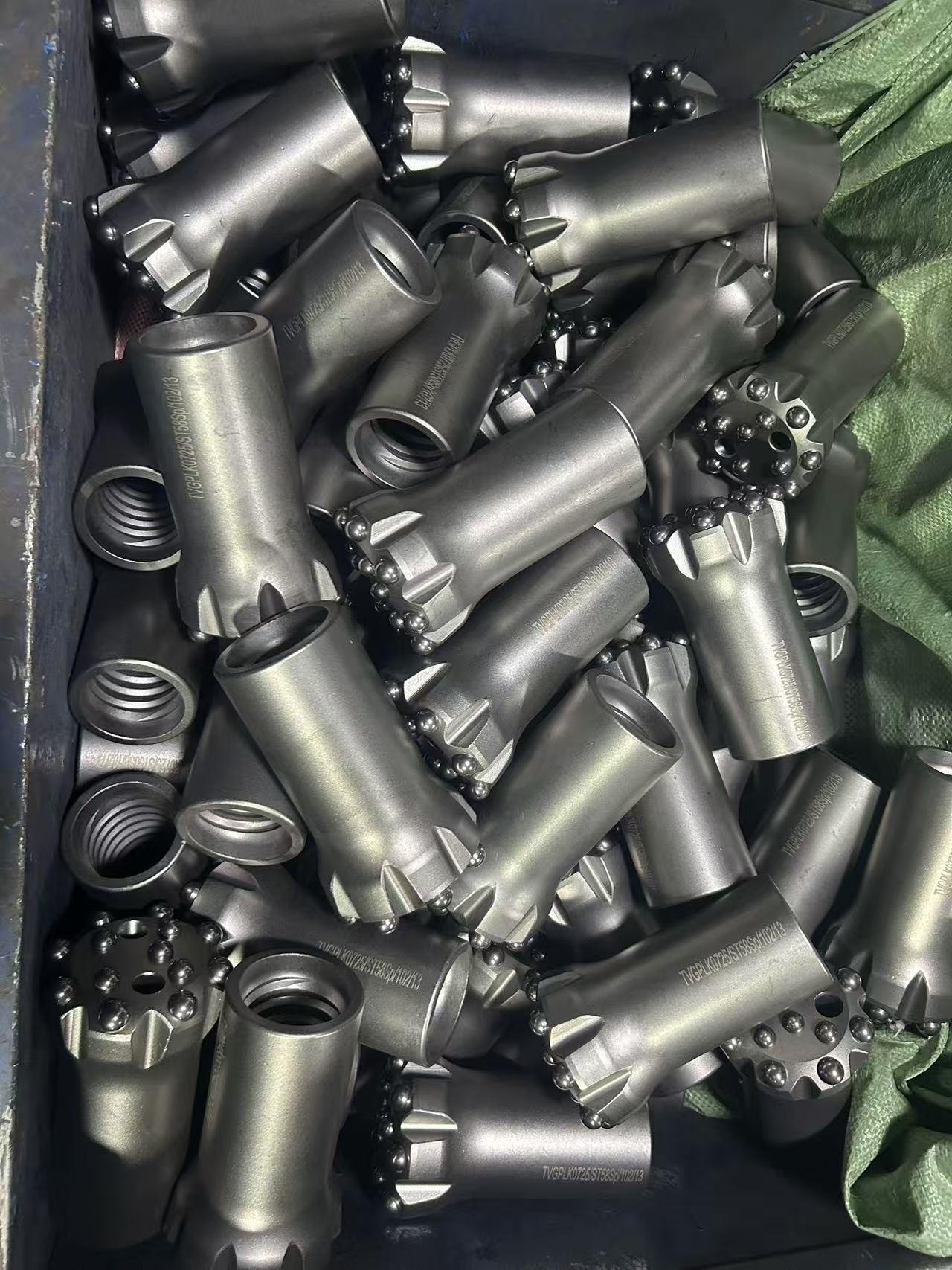
Ask any driller what separates a productive shift from a frustrating one, and thread button bits usually enter the conversation fast. The right factory pick saves time; the wrong one burns through both budget and patience. That's the backdrop for this top 10 list. We looked past the sales sheets to spotlight thread button bit factories actually worth your attention, with PULANKA among the names repeatedly earning field-level respect. Here's what made the cut.
Where the Best Thread Button Bit Factories Earn Their Reputation
Reputation for thread button bit factories is earned at the rock face, not in a sales office. The shops that become benchmarks are the ones whose bits hold gauge in abrasive ground, clear cuttings without packing, and survive regrinds without cracking around the buttons. A driller notices when a bit can be pushed harder without losing penetration, and that field evidence outweighs most supplier presentations.
Consistency comes from the details that are easy to overlook. Heat treatment matched to steel chemistry, brazing that leaves no voids under the carbide, and dimensional checks on every batch all add up to a tool that behaves predictably shift after shift. Factories that invest in those controls tend to develop a quiet following among crews who value repeat performance over clever marketing.
The strongest reputations also survive because of how problems are handled. When a bit fails early, the better factories ask for the broken part, study the wear pattern, and change the shoulder design or carbide grade instead of offering an excuse. That willingness to learn from real drilling conditions is what separates a supplier that sells bits from a factory that earns trust over years.
What the Rock Face Does When a Spec Sheet Overpromises
A spec sheet can claim sticky rubber, four-season breathability, or abrasion resistance down to the stitch count, but the rock face has a simpler review process. It does not read tensile numbers or lab ratings. It drags a shoe across a slanted crystal edge at first light, lets water sit in a seam, and waits for chalk to turn to paste. The result is rarely a headline. It is more often a slow, quiet correction—a toe skating half an inch, a shoulder seam wetting through, a rand peeling away from the sole.
What looks overbuilt on paper gets exposed quickly once the surface changes angle, texture, or temperature. A route that seemed generous on a topo can become a series of marginal smears, and that is when the gap between the claimed durometer and actual friction shows up. The rock does not negotiate. It offers no dry line, no second try with cleaner conditions, and no interest in the brand story stitched to the tongue. It simply presents the same hold to the next pair of shoes and keeps its own score.
Over time, climbers learn to read the rock's version of a verdict. A patch of rubber left on a polished foothold, a zipper that no longer closes after one chimney pitch, a membrane that wets out before the descent—these are small testimonies that the spec sheet overstated its case. The wall itself never changes its standards to match the marketing. It just stays there, patient and abrasive, until the gear either proves itself or peels back into the pack.
The Quiet Difference That Heat Treatment and Carbide Grade Make
Most of the attention goes to the obvious: edge geometry, coating color, brand markings, or the shape of a wear part. What rarely gets discussed is what happens inside the material before it ever touches a workpiece. Heat treatment and carbide grade work quietly in the background, changing grain structure, residual stress, and how the material responds when cutting heat and pressure arrive at the same time. Two tools can look identical on a shelf and still fail hours apart because of decisions made in a furnace or in the powder blend.
Heat treatment is never just about making something harder. It shapes the way hardness fades from the surface inward, how much stress stays locked in an edge, and whether microcracks stay dormant or start moving after a few hundred cycles. Small shifts in soak time, quench speed, or tempering temperature can turn a stable edge into one that chips without warning. The effect is rarely dramatic on a data sheet, but it shows up on the shop floor as an insert that keeps cutting long after the cheaper batch has dulled.
Carbide grade matters for a similar reason: hardness alone is not the whole story. A grade with fine grain and lower cobalt may offer excellent wear resistance but becomes brittle under interrupted cuts. A tougher grade with more binder survives impact but wears faster in finishing passes. The right choice depends on what the edge actually has to endure, and that is where many generic options fall short. When heat treatment and grade are matched to a specific range of cutting conditions, the result is not louder marketing. It is just a longer, calmer run.
How a Factory Handles a Small Order Reveals More Than Its Catalog
A factory’s catalog is polished by marketing teams, but a small order forces the production floor to speak for itself. When the quantity drops below the usual minimum, you quickly see whether the team can adjust cutting plans, reorder raw materials in smaller lots, or shift schedules without collapsing margins. Some factories say yes and then quietly substitute lower-grade hardware; others walk through the revised bill of materials line by line before taking the job.
Small orders also expose how a factory communicates under pressure. With tighter timelines and less room for error, the best shops assign a single point of contact who flags tooling lead times early and confirms packaging details without being chased. Others bury the order in a queue or go silent after the deposit clears. That difference in responsiveness usually shows up later on large runs, too, just with more zeros attached.
The paperwork often tells a clearer story than the sample room. A factory that handles small batches well will still issue a straightforward quotation, a realistic production schedule, and pre-shipment photos without being asked. If they resist documenting changes or treat a trial order as an inconvenience, the catalog’s glossy finish means little. The small order, in that sense, is a low-cost audit of how the place actually works.
What to Ask Before a Factory Asks for Your Purchase Order
Before a factory sends over a purchase order form, slow the conversation down and pin down the details that are easy to overlook. Ask for a written breakdown of unit costs, tooling fees, packaging charges, and any third-party testing costs. If the quote only gives you a lump sum, that is already a warning sign. You want to know whether the price holds for the entire production run, what happens if raw material costs shift, and whether reorders will carry the same rate.
Then move into production realities. Request a confirmed lead time that includes sample approval, material sourcing, and quality inspections—not just the days on the factory floor. Ask who owns the QC process, whether you can place an inspection before shipment, and what happens when a batch fails. Also clarify payment terms: the split between deposit and balance, the method, and any bank charges. A factory that pushes for the PO before answering these points is usually trying to lock in the order before you notice the gaps.
Get the answers in writing, preferably on the PO or in a side agreement, so there is no memory loss later. Ask about liability for delayed shipments, product defects, or unauthorized substitutions. If the factory refuses to put these terms on paper, treat it as a negotiation signal rather than a deal-breaker—but do not release the deposit until the basics are clear. That is the only time you have real leverage.
The Unspoken Trade-Offs Behind the Lowest Quote
A quote that comes in noticeably lower than everyone else’s rarely means the provider found a smarter way to work. More often, the savings have been pulled from somewhere less visible at the start: material grades, finishing tolerances, backup support, or the time spent understanding the actual requirement. Those omissions don’t announce themselves in a proposal. They surface later as mismatched expectations, early wear, or a result that only works under ideal conditions.
There is also a quieter cost tied to how low-bid work gets scheduled. To make thin margins viable, the provider may stack projects back-to-back, assign less experienced staff, or keep communication deliberately lean. That can feel fine during the sales stage, but once the work begins, small questions turn into long delays and routine adjustments become change orders. The budget that looked tighter on paper starts drifting upward for reasons that are hard to pin to any single line item.
The real trade-off, then, is not just quality. It is control. A very low quote often means accepting a narrower definition of done, fewer revisions, and less leverage when something needs to be corrected. The price may be honest, but it can also be a signal that the scope has been quietly reshaped to fit the number. Paying attention to what isn’t mentioned in the estimate usually reveals more than the total at the bottom.
FAQ
It usually comes down to how consistently they handle heat treatment and how open they are about raw material sourcing. A factory that can show actual hardness test results and explain carbide grade choices tends to be more reliable than one that only talks about production capacity.
Not automatically. Price often reflects the grade of tungsten carbide and the precision of thread machining. If a site is drilling abrasive rock, paying extra for better carbide can actually reduce cost per meter. In softer ground, mid-range bits may perform just as well.
Look at the details: inconsistent paint, rough thread edges, vague specs on carbide grade, or hesitation to share test reports. Small things like packaging and thread protection caps often reveal whether the factory cares about damage during transport.
It affects logistics more than quality. Some industrial clusters have shorter supply chains for steel and carbide, which can speed up production. However, a well-run factory in a less famous area can still outperform a sloppy one in a major hub.
Ask for the exact carbide grade, hardness range after heat treatment, thread tolerance standards, and a clear policy on premature breakage. Also request photos or video from the current production batch rather than just previous samples.
Common causes include poor brazing between the buttons and the body, incorrect clearance angle for the rock type, or thread tolerances that create stress points. Sometimes the failure is not the bit itself but mismatched drill rods or excessive feed pressure.
Yes, many do. But the design priorities differ. Mining bits usually favor faster penetration and durability in hard rock, while water well bits often need better flushing and longer service life in mixed formations. A factory with separate product lines is often better than one treating them the same.
Conclusion
Factory reputations are rarely built on catalog images or polished sales decks. They come from consistency in heat treatment cycles and carbide grade choices that hold up once the bit meets abrasive rock. A specification sheet can promise fast penetration and long service life, but the rock face has a way of exposing those claims within the first few dozen meters. When a batch arrives with soft shoulders or uneven insert retention, the gap between a tested factory and a catalog-only supplier becomes obvious. Buyers who work regularly with thread button bits tend to pay less attention to marketing language and more attention to process details, batch traceability, and how a factory responds when something fails in the field.
One overlooked test is how a factory treats a small order. A supplier that pushes a first-time buyer into a container load before proving quality is often protecting its own cash flow rather than the customer's drilling results. Asking about minimum trial quantities, lead times for replacement orders, and the specific carbide grade used in the insert usually reveals more than a product video. Before signing a purchase order, it is worth asking what actually changes when a quote comes in lower than everyone else's. The answer often involves one or more unspoken compromises: reduced hardness in the steel body, lower-grade carbide, skipped normalizing or stress relief, or looser dimensional control. The cheapest quote may still work in soft ground, but it rarely survives the same conditions that higher-priced options are built for. Factories that can explain their pricing without vague claims about premium materials tend to be the ones worth keeping on the list.
Contact Us
Contact Person: Elma
Email: [email protected]
Tel/WhatsApp: +86 13738628777
Website: https://www.pulankagroup.com/