

Top 10 Sewer Line Cleaning Machine Suppliers for Powerful Drain Solutions
2026-06-25
A sudden drain backup never comes at a convenient time. Whether it's a restaurant kitchen or a residential bathroom, fast and thorough cleaning is essential. That's why we've compiled a list of the top 10 sewer line cleaning machine suppliers, including AMJET, known for engineering durable, high-pressure jetters that cut through even the toughest blockages. Explore our picks to find the perfect machine for your toughest drain challenges.
Clog-Busting Machines That Don’t Back Down
There’s a certain breed of drain cleaner that refuses to surrender when the going gets tough. We’re talking about augers and jetters built with reinforced cables, high-torque motors, and a single-minded focus on pulverizing blockages that would send lesser tools running for the hills. They chew through decades of grease, root masses, and compacted sludge without flinching, often finishing jobs that others start but can’t complete.
In commercial kitchens or aging apartment complexes, downtime isn’t an option. These machines earn their keep by powering through clogs quickly, then moving on to the next challenge without needing a cooldown. Their frames resist corrosion, their grips stay secure even in wet, chaotic conditions, and the only thing they back down from is a fully cleared pipe.
Why Some Jetters Outperform Others in Tight Spots
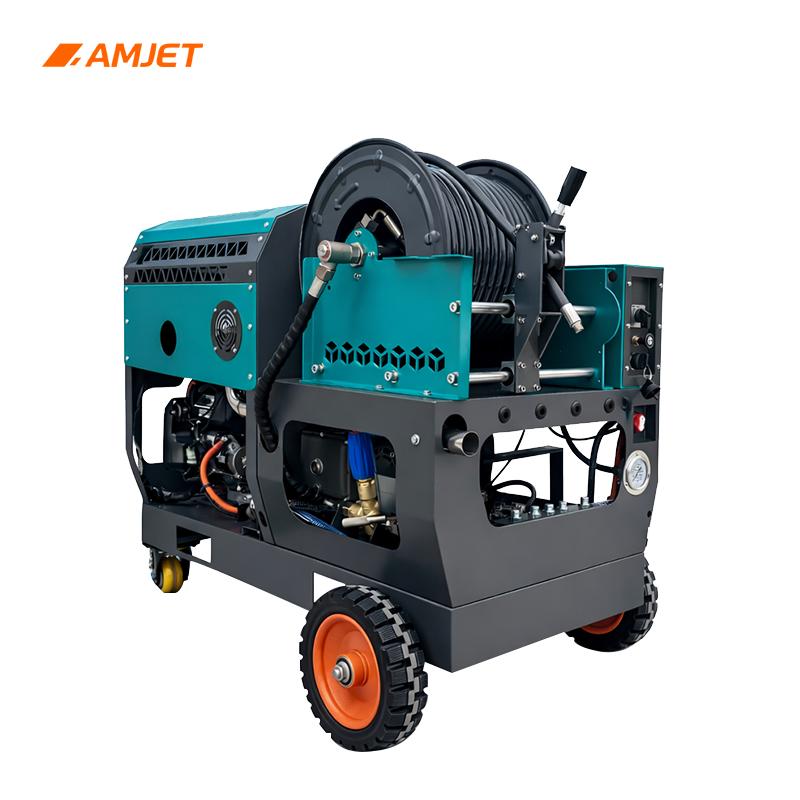
In tight confines, performance often hinges on a jetter’s thrust-to-weight ratio and nozzle design. Machines that channel high-pressure water through compact, precisely angled nozzles create a focused jet with minimal energy loss, allowing them to punch through stubborn blockages without requiring excessive space to maneuver. A lighter, well-balanced frame further reduces the effort needed to reposition the unit, which is crucial when working around tight bends or inside narrow pipes.
Superior maneuverability also comes from advanced hose technology. Flexible, kink-resistant hoses paired with low-friction outer jackets let operators push further into restricted areas without the hose binding or catching. Some jetters integrate swivel connections that prevent the hose from twisting under pressure, ensuring consistent water flow even when the line must navigate multiple sharp turns. These design choices transform a basic cleaning tool into a precision instrument that excels where others struggle.
Finally, the operator’s ability to modulate pressure and flow on the fly can make a decisive difference. Jetters equipped with responsive trigger controls or proportional valves allow real-time adjustments, preventing damage to fragile pipes while still delivering enough force to clear dense obstructions. In cramped conditions, this fine control means the difference between a quick, clean job and a prolonged battle with a tool that is simply too rigid for the task.
The Anatomy of a Drain-Cleaning Workhorse
Beneath the unassuming exterior of a drain-cleaning workhorse lies a carefully orchestrated assembly of components, each engineered for the relentless demands of clearing clogs. The heart of the machine is the high-torque motor, often a sealed induction motor that thrives in damp environments, delivering steady power without overheating. Coupled with a reinforced drum, it houses coiled steel cable—the muscle of the operation. The cable itself is a marvel: tempered for flexibility yet stubbornly resistant to kinking, its spiral tip biting into debris while hugging pipe walls to avoid damage. Tension is managed through an adjustable feed mechanism, giving operators tactile control as the line snakes through the labyrinth of pipes.
What sets a true workhorse apart is the harmony between these parts and the subtle innovations that elevate it from mere tool to trusted partner. The guide hose system, for instance, acts as a protective sleeve, shielding walls and operators from the whipping cable while directing the force precisely where it’s needed. Quick-change cutter heads—from arrow-shaped for penetrating blockages to C-shaped for scraping grease—swap out with minimal fuss, turning one machine into a versatile arsenal. Even the frame tells a story of thoughtful design: wide-set wheels for stair navigation, a low center of gravity to prevent tipping, and a tubular handle that doubles as a cord wrap. These details often go unnoticed until you’re on your knees in a cramped basement, grateful for the extra inch of clearance.
Yet the anatomy extends beyond metal and mechanics into the realm of feel—the feedback loop between operator and machine. A well-designed autofeed doesn’t just advance cable; it telegraphs resistance changes through the lever, letting experienced hands distinguish between a PVC elbow and a collapsed pipe. Drum rotation speed, often dialed in with a simple throttle, adapts to the task: a slow crawl for delicate tile, a brisk spin for cast iron. And when the job pushes late, the integrated GFCI outlet on many units saves a trip to the breaker. It’s this fusion of brute strength and refined ergonomics that transforms a drain cleaner from a rental counter afterthought into a daily driver that professionals swear by—a machine whose anatomy reveals the scars of a thousand calls and the quiet genius of incremental improvement.
Power, Pressure, and Reach: The Critical Trio
In any system where force meets range, power, pressure, and reach don’t just coexist—they shape each other. Tweak the pressure on a nozzle, and you’ll feel the difference in cleaning punch; adjust the reach, and suddenly the same power feels entirely different. It’s a dance where one misstep throws the whole sequence off.
Think of a fire hose. Crank up the water pressure without accounting for nozzle reach, and you might just lose control or waste water. Real precision comes from sizing the pump’s power to match both the required spray distance and the line pressure. Get that balance right, and the job practically finishes itself.
Field setups often overlook this interplay. An engine may pack plenty of horsepower, but if the hose length or tip restricts flow, you’ll end up rinsing with all the ferocity of a garden sprinkler. The trick isn’t just more of any single factor—it’s letting each one pull its weight without overpowering the others.
Suppliers That Bring Real Muscle to the Job
When the pressure mounts and deadlines tighten, you need suppliers with the grit to power through—not just promises, but proven capability. These partners bring more than heavy machinery or raw materials; they bring a relentless operational backbone that stabilizes your supply chain, absorbs shocks, and keeps production humming without missing a beat.
It’s about depth, not just scale. A supplier with real muscle has the engineering know‑how to solve complex snags on the fly, the logistical agility to reroute at a moment’s notice, and the sheer resource buffer to handle sudden surges. They don’t just fulfill orders; they anticipate glitches and already have a workable fix in motion.
You’ll recognize them when things go sideways and they’re still calm, still delivering. That quiet consistency—backed by cross‑trained teams, redundant capacity, and a no‑excuses culture—turns long‑term contracts into hands‑off confidence. That’s muscle you can bank on.
From Simple Snakes to Hydro-Jetting Giants
Long before high-tech gadgets took over the plumbing world, the humble drain snake was the tool of choice for clearing clogs. This flexible metal coil, often cranked by hand, snaked its way through pipes to break up or retrieve whatever was causing the blockage. It was simple, affordable, and for decades, it got the job done in homes and businesses alike.
As plumbing systems grew more complex, so did the tools. Motorized drain snakes arrived, offering more torque and reach, but they still relied on mechanical force to punch through obstructions. These machines could handle tougher blockages, yet they often left residue on pipe walls, and repeated use could wear down older plumbing.
Then came hydro-jetting, a method that turned water into a cutting tool. Pressurized streams blast away years of buildup—grease, scale, roots—without damaging pipes when used correctly. The shift from a simple snake to a hydro-jetting giant marked a leap in efficiency and thoroughness, redefining what it means to truly restore flow.
FAQ
Look for a supplier with a proven track record in the industry. Check customer reviews, warranty terms, and whether they offer training or after-sales support. A reliable partner will also stock critical spare parts and provide clear maintenance guidelines.
Power matters a lot, but it's the combination of pressure and flow rate that really gets the job done. For tough clogs like tree roots, you'll want at least 4,000 PSI with a flow of 4 GPM or more. Some suppliers offer adjustable pressure settings, which add versatility.
Yes, if you work in tight spaces or need to move between sites often. Many top suppliers now offer compact units on wheeled carts or truck-mounted systems. Lightweight frames and folding handles make transport a lot easier without sacrificing performance.
Most quality suppliers include a basic set like a forward-thrust nozzle for general cleaning, a flusher nozzle for pulling debris back, and possibly a rotary nozzle for scale removal. Some let you customize the nozzle kit based on your typical jobs.
Pay attention to the frame material and pump type. Stainless steel or powder-coated steel resists corrosion well. Triplex plunger pumps often outlast standard piston pumps. Also ask about the duty cycle—industrial-grade machines can run for hours without overheating.
Absolutely. Many suppliers design dual-purpose units that can scale from small household drains to large municipal pipes. Just be sure to match the hose size and nozzle to the pipe diameter. A good supplier will help you select the right configuration.
Specialized suppliers provide expert guidance, access to high-end commercial gear, and ongoing support that big-box stores can't match. They'll often demo equipment, offer financing, and stand behind their products with longer warranties and service contracts.
Conclusion
When a drain line turns into a stubborn battleground, only machines built with true muscle can break through. The most effective sewer cleaning equipment combines raw power, high pressure, and extended reach to annihilate clogs that smaller tools simply cannot touch. Modern jetting systems have evolved dramatically from the simple manual snake, with some now delivering over 4,000 PSI and flow rates that scour pipe walls clean in minutes. What separates the real workhorses from the rest is how they handle tight bends and narrow pipes—compact nozzles, flexible hoses, and smart pressure modulation let a jetter dance through a labyrinth of fittings without losing force. This critical trio of power, pressure, and reach isn’t just a spec sheet promise; it’s the everyday reality that keeps commercial plumbers coming back to the same battle-tested designs.
Behind every reliable drain-cleaning rig is a supplier that understands the gritty demands of the field. The top 10 names in the industry don’t just sell machines—they engineer solutions that marry heavy-duty pumps, resilient frames, and intuitive controls into packages that refuse to back down. Whether it’s a nimble trailer-mounted jetter for residential service calls or a truck-based beast capable of blasting municipal mains, these vendors bring genuine innovation to the table. They focus on designs that minimize maintenance downtime, maximize operator safety, and deliver consistent results even when the water runs gritty or the access point is buried in a cramped basement. By blending decades of real-world experience with the latest in hydro-jetting and rodder technology, these suppliers have earned their reputation as the go-to allies for drain professionals who can’t afford second best.
Contact Us
Contact Person: Mike
Email: [email protected]
Tel/WhatsApp: +86 19545555505
Website: https://www.amjeting.com/
