

Top 10 Second Hand Loaders: The Ultimate Buyer’s Guide to Quality Used Equipment
2026-06-09
Navigating the market for second-hand loaders can feel overwhelming, but it doesn’t have to be. Whether you're expanding a fleet or making your first big purchase, the right used loader can elevate efficiency without breaking the bank. This guide breaks down the top 10 models worth your attention, drawing on real-world insights and the trusted expertise of suppliers like JILIANG CHI. Let's dig into the details that separate a smart investment from a costly mistake.
What Every Buyer Overlooks When Inspecting a Used Loader
Most buyers focus on the obvious signs of wear—tire tread, hydraulic leaks, and engine smoke. But the real story often hides in places nobody bothers to check. For instance, few take a close look at the articulation joint. Over time, slop in the center pivot can cause uneven tire wear, wandering steering, and even frame cracks. Grab a pry bar and check for vertical and horizontal play; if there's more than a whisper of movement, you're looking at expensive repairs down the line.
Another commonly skipped step is testing the loader under real-world loads, not just at idle in the seller's yard. A machine that cycles smoothly empty might shudder, bog down, or reveal weak lift capacity when you dig into a pile of material. Pay attention to cycle times and listen for any unusual straining from the pumps. Also, climb underneath and inspect the belly pans—collected debris and oil residue can point to long-neglected leaks or damage hidden from top view.
Finally, don't overlook the electronics and cab comforts that are easy to dismiss as minor. Faulty gauges, dead switches, or a climate control system that doesn't work can indicate deeper wiring issues or careless maintenance. Check the hour meter against service records for discrepancies—hour manipulation is more common than you'd think. A loader that looks clean on the outside can quickly turn into a headache if you ignore these subtle, yet critical, clues.
Hidden Costs That Make a Cheap Loader Expensive
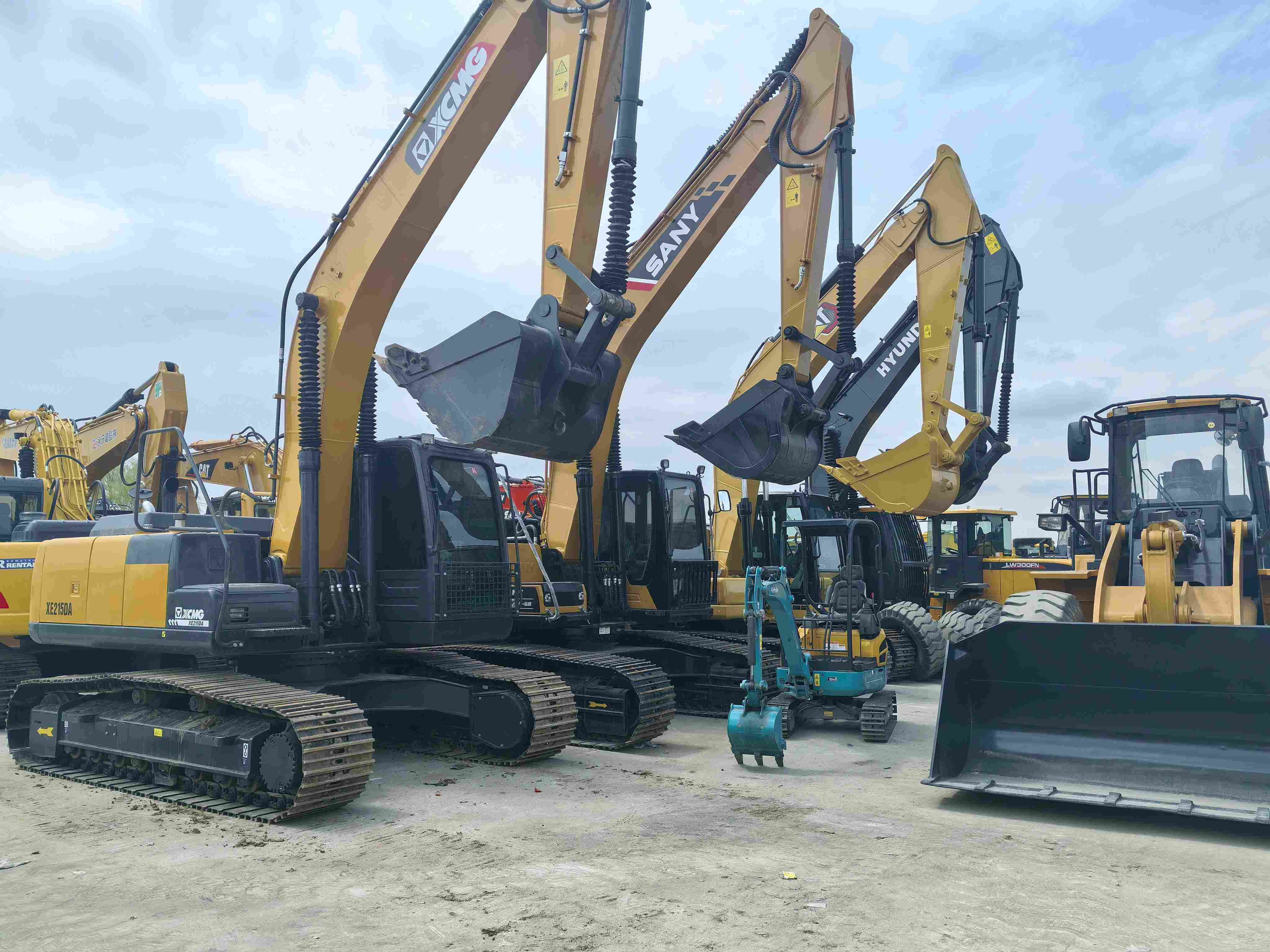
When you spot a loader with a price tag that seems too good to be true, it usually is. That upfront bargain quickly fades once you factor in the relentless maintenance demands. Budget machines often come with lower-quality components that wear out faster, forcing you to replace hydraulic hoses, pins, and bushings at an alarming rate. Every unexpected breakdown doesn't just cost you parts—it eats into your project timelines and sends labor costs spiraling.
Fuel efficiency is another silent budget drain. Cheaper loaders tend to use older or less refined engines that guzzle more fuel per ton of material moved. Over a few thousand operating hours, the extra fuel expense can easily outstrip any initial savings. Pair that with parts that are hard to source because the manufacturer doesn't have a solid local dealer network, and you'll lose even more money while the machine sits idle waiting for a simple hydraulic seal.
Don’t underestimate the hidden cost of reduced resale value either. A machine from an unknown or poorly supported brand depreciates far faster than its reputable counterparts. Even if you manage to keep it running, you'll take a hit when it's time to sell or trade it in. Combined with increased insurance premiums for less reliable equipment and the lost income from delayed projects, that “cheap” loader can end up being one of the most expensive mistakes on your balance sheet.
Where the Real Deals Hide in the Second Hand Market
Most people scroll past the obvious listings—the ones with polished photos and asking prices that nearly match retail. The real bargains are buried in blurry images, misspelled titles, or posts that have been sitting for weeks. Sellers who can't be bothered to stage their items often just want the stuff gone, which works in your favor.
Timing also plays a huge role. Late Sunday nights or early weekday mornings, when casual browsing drops off, you'll spot fresh listings from people clearing out estates or moving. These sellers price things to move quickly, and you can snag deals before the resellers wake up and flood the comments.
The Maintenance History Trick Sellers Don't Want You to Know
When you're browsing used vehicles, the maintenance history often feels like a golden ticket—proof that the previous owner actually cared. But some sellers have learned to twist this into a clever illusion. They'll hand you a folder stuffed with receipts, but look closer. Those crisp records might only show oil changes and basic services, conveniently missing the expensive stuff like timing belt replacements or transmission flushes.
The real sting is in the gaps. A thick stack of papers from the first three years, then nothing for the next five. Sellers count on you assuming the car was babied because of that early flurry of paperwork. In reality, the maintenance trail went cold, and now you're staring at a gamble with a clean exterior. Always cross-check the car's physical condition—like belt wear or fluid colors—against the supposed history.
Another variation: the "all work done by a friend" line. No invoicing, no digital footprint, just a verbal guarantee. Without verifiable records, you're buying a story, not a vehicle. Insist on seeing dealer stickers, parts store receipts with part numbers, or even call the garage if listed. A seller who balks at that probably has more than a few skeletons in the service bay.
How Late-Model Frills Can Mislead Your Budget
Chasing the newest car often means getting lured by features that sound impressive but drain your finances quietly. Manufacturers package these late-model frills—think gesture-controlled infotainment or self-parking assistants—as must-haves, yet they rarely hold their value. The subscription fees for connected services, pricier insurance premiums for complex sensors, and repair bills for finicky electronics can turn a seemingly sensible purchase into a money pit. Before you sign, ask yourself if that panoramic roof or massaging seat will matter once the novelty fades and the bills arrive.
Dealers love to showcase the latest tech as a symbol of status, but it often masks higher long-term costs. That adaptive suspension you never adjust? It’s an expensive fix waiting to happen. Even routine maintenance gets inflated when special fluids or dealer-only diagnostics are required. Many buyers stretch their budgets to secure these upgrades, only to realize the monthly payments leave little room for tires that wear out faster on sporty trims. Focus on what truly serves your daily life, not the illusion of luxury that feels outdated by the next model year.
A smarter approach is to separate genuine utility from passing trends. Heated seats in a cold climate make sense; a voice-activated glovebox doesn’t. Test drive without the sales pitch echoing in your ear, and you’ll notice which features you actually use. Sometimes the base model, with a well-chosen convenience package, hits the sweet spot—keeping money in your pocket instead of funding flashy distractions.
Smart Tactics to Test a Loader Before You Commit
Before diving into a loader, mock its expected environment. This means setting up a barebones project that mirrors the loader’s target—whether it’s a webpack plugin, a data ingestion script, or a device driver. Feed it a controlled set of inputs: typical, edge-case, and intentionally malformed data. The goal isn’t to simulate every real-world possibility, but to see if the loader’s core logic holds up under pressure without side effects like memory leaks or silent failures.
Another underused tactic is to trace the loader’s internal decisions. Instrument it with temporary logging or use a debugger to follow its path on a per-record basis. This uncovers hidden assumptions—maybe it chokes on UTF-8 characters, or misinterprets missing fields. Pair this with a small suite of unit tests that run in milliseconds, and you’ll spot flaws long before they poison a larger system. The key is to treat the loader as a black box for functional testing, then open it up surgically when something smells off.
Finally, if the loader is part of a pipeline, test it with a shadow traffic copy. Route a fraction of real, non-critical data through it in a parallel thread, then compare outputs against the current production version. This live-fire exercise often reveals timing quirks, state corruption, or dependency conflicts that canned tests miss. And when you do find a bug, resist the urge to patch it immediately—document the failure mode first so your team understands why the test matters.
FAQ
Start with the basics: look for structural cracks in the frame and boom arms, check for hydraulic leaks around cylinders and hoses, and don't ignore the condition of the pins and bushings—excessive play there often hints at heavy past use.
Pull the dipstick and check the oil—it should be dark but not sludgy. Ask for service records if available. Listen for excessive blow-by when revving; a little is normal, but a lot could mean worn rings. Also glance at the air filter: a filthy one suggests neglect.
Not necessarily. A loader with 8,000 well-maintained hours can be a better buy than one with 3,000 hours that’s been abused. Focus on overall condition, maintenance history, and the type of past work—loading grain is far easier on a machine than digging rock.
Absolutely. Check for cuts, uneven wear patterns, and sidewall damage. If the machine has solid tires, realize replacements are expensive. Also measure tread depth—low tread on a heavy loader means you’ll be pouring money into tires sooner than you think.
Yes, that’s a red flag. Sluggish hydraulics could point to a weak pump, worn valves, or internal leaks. Cycle the lift and tilt functions when the oil is warm; they should be smooth and responsive. Any chatter or hesitation usually means trouble.
Check the hour meter, but don’t trust it blindly—compare it to wear on the pedals, steering wheel, and seat. Look for a data plate or electronic service history. If possible, talk to the previous operator; they’ll often give you the real story no manual can match.
Conclusion
Buying a used loader isn’t just about kicking tires and hoping for the best—the real pitfalls hide in details that most shoppers miss entirely. A machine that looks solid on the outside might be masking uneven wear, hairline cracks in the frame, or sloppy pin joints that’ll cost a fortune later. The sticker price is only the beginning; cheap loaders often come with hidden costs like overdue hydraulic rebuilds or a transmission that’s been nursed along without proper repairs. Smart buyers know that the best deals don’t always sit on big dealer lots. Sometimes the real gems turn up at estate sales, municipal auctions, or from private owners who kept meticulous records but aren’t in a rush to broadcast them. And if a seller gets squirrelly when you ask for maintenance logs, that’s your cue to dig deeper—many will conveniently “misplace” receipts for major work, leaving you to guess what’s been patched rather than properly fixed.
Chasing late-model features can also throw your budget off track. All the touchscreen displays and fancy pilot controls in the world won’t compensate for a machine that’s been abused. Instead of fixating on model year, zero in on operational tests that reveal a loader’s true condition. Run it until it’s fully warm, then check for weak lift capacity, sluggish steering, or any smoke that doesn’t clear up. Pay close attention during bucket curl and boom lift cycles—jerky or delayed motion often points to pump wear or cheap aftermarket parts. Walk away if the seller won’t let you dig into a dirt pile or cycle the attachments under load. A little patience and a skeptical eye here can save you from a money pit and put you in a machine that works as hard as you do.
Contact Us
Contact Person: Sally Xiao
Email: [email protected]
Tel/WhatsApp: 086-18221477398
Website: http://www.shjiliangchi.com/