

Six-Motor Fiber Fusion Splicer Supplier: Essential Tips for Selecting a Reliable Partner
2026-09-03
Choosing a six-motor fiber fusion splicer supplier is about more than just hardware—it's about securing a partner who understands the difference between a good connection and a flawless one. As network demands escalate, precision alignment across all six motors becomes non-negotiable, yet not every supplier can consistently deliver that standard. If you're weighing options and wondering what separates a reliable long-term ally from a one-time vendor, you're already asking the right question. At DVP, we believe the best partnerships are built on transparency, proven performance, and a genuine commitment to your field results. This guide unpacks the essential criteria that will help you avoid costly missteps and choose with confidence.
Verify Six-Motor Alignment Performance in the Field
Checking how six motors stay aligned once installed isn't a bench test you can rush through. Thermal drift from direct sun, loose mounting bolts on concrete pads, and even nearby forklift traffic can shift shaft centers by fractions of a millimeter. A practical field routine starts with cold-soak measurements at dawn, then repeats at peak operating temperature while the motors run under normal load. Using two dial indicators mounted ninety degrees apart on each coupling hub gives you radial and axial runout numbers that reveal not just static misalignment but dynamic wobble patterns.
The hardest part isn't taking the readings—it's deciding what counts as acceptable in a dusty, vibrating facility. Spec sheets assume clean lab conditions, but field reality means you'll see occasional spikes that settle back down. Logging continuous data for at least ten minutes per motor lets you separate actual misalignment from transient disturbances like a compressor kicking in next to the drive shaft. When three of six motors show brief excursions beyond the tolerance band but hold steady the rest of the time, that's often a foundation resonance issue rather than a coupling problem, and no amount of shimming will fix it.
A final pass after a week of normal operation matters more than the initial alignment. New shim packs compress, motor feet settle into grout, and belt tension redistributes as pulleys wear in. Rechecking hot alignment with the exact same fixture locations and documenting baseline values in a simple field log gives maintenance crews a reference point they can actually use six months later. The goal isn't perfect zero-zero alignment on paper—it's knowing which of the six motors drifts predictably and which one needs a closer look before it eats a gearbox.
Ask How the Supplier Handles Electrode Wear and Calibration
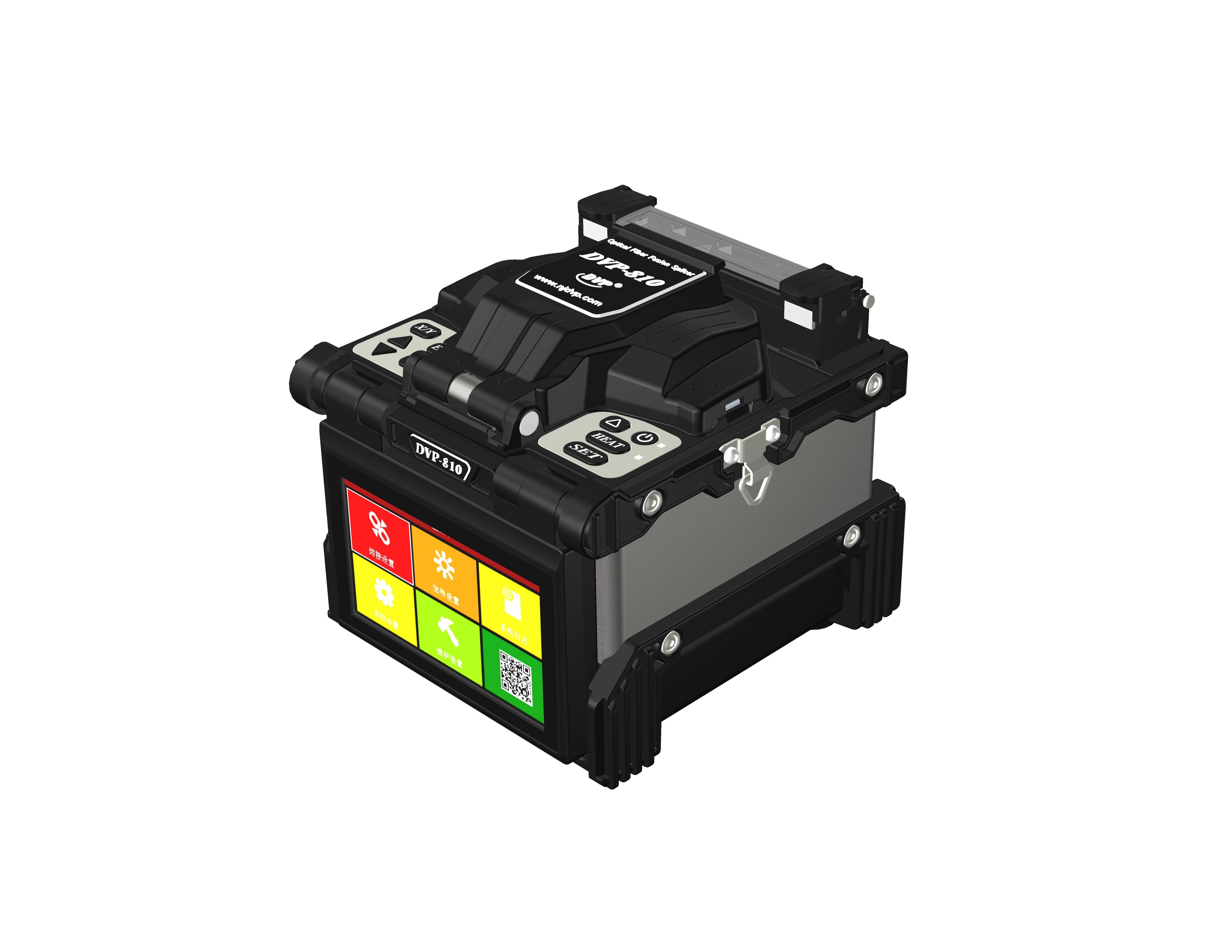
Electrode wear isn't a minor afterthought—it's the quiet factor that decides whether your measurements drift out of spec by next Tuesday. Ask the supplier to walk you through their actual maintenance flow, not just a glossy spec sheet. Some vendors will brush past this with vague promises, but the ones worth your time can tell you exactly how many measurement cycles they expect before a meaningful shift, or what visual cues signal it's time to swap or recondition. If they hesitate when you ask for historical wear curves from real deployments, treat that as a red flag.
Calibration should feel less like a ritual and more like a diagnostic. Push for specifics: does the supplier offer in-situ checks, or do you have to tear down the fixture and send electrodes out? A strong answer includes frequency recommendations tied to your use case, tolerance windows that account for temperature swings, and clear guidance on what a failed calibration actually means for your process. Listen for whether they talk about drift rates and environmental interference, or if they just hand you a one-size-fits-all calendar reminder.
Also probe how they handle the gray zone between 'still fine' and 'replace now.' Good suppliers will describe a decision ladder—maybe a quick voltage slope test, maybe a comparison against a reference coupon—rather than forcing you to guess until the readings go obviously bad. It's worth asking if they log calibration data remotely and flag anomalies before you notice a problem on your own line. That level of attention is what separates a vendor who cares about your uptime from one who's just selling electrodes by the box.
Compare Real Support Response Times Before Committing
Don't take a vendor's word for it when they claim lightning-fast support. Before you sign anything, send a real pre-sales question through every channel they advertise—live chat, email, ticket portal—and time how long it takes to get a human answer, not an automated acknowledgement. A bot that says 'we received your request' in two seconds means nothing if an actual person doesn't follow up for two days.
Pay attention to when you run these tests. Response times that look great on a Tuesday at 10 a.m. can fall apart on a Sunday night or during a holiday. If your team works across time zones, ask a colleague in another region to submit a ticket overnight. Many companies staff support only during their own business hours, no matter what their website suggests. The gap between marketing copy and real coverage shows up fast when you test outside normal hours.
What counts as acceptable depends on your own priorities, but weeks-long silence or replies that dodge the question are obvious red flags. A support team that's slow to help before you've paid them will rarely improve after the contract is signed. Real support response times are one of the few things you can test for free before committing—use that chance.
Look for Training That Covers Troubleshooting, Not Just Basics
Most courses spend hours walking you through shiny interfaces and happy-path workflows, but real work happens when something breaks. Look closely at the curriculum: does it include dedicated modules on diagnosing common failures, reading error logs, or recovering from corrupted files? If the syllabus only shows how to create and configure, you'll be left guessing the moment a production issue appears.
Pay attention to how the instructor handles edge cases and unexpected inputs. A troubleshooting-focused course will demonstrate what happens when a file is missing, a permission is denied, or a network request times out. These scenarios teach you not just the “what” but the “why” behind the tool's behavior, building the instinct to isolate variables and test hypotheses instead of blindly reinstalling everything.
Finally, check for hands-on labs that force you to repair a deliberately broken setup. Watching someone fix an error is passive; you need to experience the messy process of narrowing down causes, trying a fix, and learning why it didn't work. Training that skips this leaves a critical gap between knowing where the buttons are and actually being able to keep systems running when things go sideways.
Evaluate Parts Availability and Shipping Lead Times
When a machine goes down, the clock starts ticking. The first thing I look at is whether the needed part is sitting on a shelf somewhere close by, or if it has to be manufactured from scratch. Many suppliers claim they have stock, but a quick check often reveals the item is actually at a third-party warehouse with a two-day processing delay. I always ask for the physical location of the part, not just the vendor's main office. That single question has saved us from more downtime than any fancy forecasting tool.
Shipping lead times can be just as unpredictable as part availability. A component that ships from a neighboring state might arrive in three days, while the same item from an overseas distribution center could take three weeks once customs and local freight are factored in. I keep a running log of actual delivery dates versus quoted dates for each supplier. Over time, patterns emerge: one vendor consistently misses by two days, another pads their estimates but always arrives early. That kind of ground-level data beats any generic lead time table.
The real skill is balancing both factors. A part with 95% availability but a 10-day lead time is useless if you need it tomorrow, while a part that ships in 24 hours but is out of stock half the time creates constant fire drills. I work with our maintenance team to identify the critical few components where we carry local buffer stock, and for everything else, we negotiate clear penalties for missed ship dates. It's not glamorous work, but it keeps the line running.
Check Whether the Supplier Understands Your Network Environment
Before you sign anything, make sure the supplier has actually looked at how your network is set up. Ask them to describe your current topology, including any legacy hardware, segmentation, or unusual routing paths. If they can't point out specific constraints—like bandwidth bottlenecks between sites or a heavy reliance on certain protocols—they probably haven't done the homework. A supplier who understands your environment will talk about your existing firewall rules, your VPN setup, and the quirks of your local ISPs, not just give you a generic pitch.
You can test this early by throwing a few scenario questions at them. For example, ask how they'd handle a sudden spike in traffic on your MPLS link while maintaining VoIP quality, or what they'd do if one of your remote branches loses its primary connection and has to fall back to a cellular modem. Their answers should reference your actual network components, not a textbook solution. Also pay attention to whether they ask about things like internal DNS architecture, certificate distribution, or shadow IT devices—these details show they're thinking about integration, not just selling a product. If they don't bring these up, treat that as a red flag.
FAQ
Ask for a demo unit and run it through your own worst-case scenarios: dirty fibers, temperature swings, and tight splice sleeves. A supplier that pushes back on real-world testing or only shows lab-perfect results is often hiding limitations in their calibration or electrode durability. Also, look at how they handle consumable replacements—quick access to electrodes and V-groove cleaning kits tells you they’ve thought beyond the initial sale.
Focus on the alignment algorithm, not just the motor count. Six motors can position fibers more precisely, but only if the supplier’s software interprets the core detection reliably. Request data logs from actual field splices, not just factory certificates. A trustworthy partner will share average splice loss distribution across hundreds of splices and explain how their system handles angled or misaligned cleaves.
Get the exact turnaround time for repairs in your region, including how they handle shipping and loaner units. Ask whether firmware updates are free and how often they release bug fixes. A supplier that offers remote diagnostics via a mobile app or web portal can save you days of downtime, but only if their support team actually responds within hours, not days. Test that response time before purchasing.
Core alignment is the goal; the motors are the hands that get you there. Six motors provide independent control over fiber positioning, rotation, and focus, which reduces the chance of micro-bends and improves splice consistency on imperfect cleaves. But motor count alone means nothing if the mechanical stage drifts with temperature. Ask suppliers for thermal stability specs and whether they recalibrate automatically between splices.
Watch for vague answers about spare parts availability—if they can’t tell you common part numbers and lead times, run. Another warning sign is a training program that consists only of PDF manuals. Reliable partners offer hands-on or video-based training with a real technician, and they don’t charge extra for basic setup help. Also, be suspicious of suppliers who avoid discussing the splicer’s failure modes or won’t share repair statistics.
Newer suppliers can be great if they’re focused on a niche, but you need to verify their engineering depth. Ask who writes their alignment firmware and whether they have in-house optical engineers or just rebrand another factory’s product. A smaller supplier with a dedicated technical team and transparent sourcing can often offer better support than a giant that treats you as a ticket number. Request references from customers who have used their units for at least a year.
Software is the brain that coordinates those six motors. Poor software leads to slow alignment, frequent false errors, and inconsistent splice estimates. When evaluating a supplier, ask to see the user interface live and watch how it handles a deliberately bad cleave—does it recover quickly or stall? Check the update history: a supplier that hasn’t released a firmware update in over a year might have abandoned their product line.
Look for independent field reports or ask the supplier to connect you with current users in similar environments—outdoor contractors if you work outdoors, high-volume data centers if you splice indoors. Inspect the unit’s sealing against dust and moisture; ask for IP ratings and whether the supplier offers a protective case as standard. Also, check the electrode replacement cycle in real conditions: a splicer that needs new electrodes every 300 splices is more fragile than one rated for 1,000 or more.
Conclusion
Choosing a six-motor fiber fusion splicer supplier goes beyond comparing datasheets. You need to see the alignment performance with your own eyes—ask for a live demo in a real field setting, not just a lab bench. Watch how the unit handles dusty closures or slightly stressed fibers, because that's where six-motor precision either holds or falls apart. At the same time, dig into the less glamorous side: electrode wear. A dependable partner will tell you exactly how many arcs you can expect before replacement, how calibration is triggered, and whether they offer remote diagnostics or on-site support for drift issues. Don't accept vague answers like "it calibrates automatically." Push for maintenance logs, spare electrode kits, and a clear calibration schedule that your technicians can actually follow.
Support responsiveness matters just as much as the hardware. Before signing anything, send a test support request and time the response—weekend, holiday, late shift. If you're waiting days for a callback, that's a red flag. Training should go past button-pushing; insist on sessions that cover troubleshooting common failure modes, interpreting loss estimation graphs, and recovering from bad splices under time pressure. Parts availability is another quiet dealbreaker. Check whether the supplier stocks motors, electrodes, and fiber clamps locally, and what the real shipping lead time is when a splicer goes down mid-project. Finally, the best supplier asks about your network—aerial, underground, FTTx, long-haul—and adjusts recommendations accordingly. A partner who understands your environment won't sell you a generic machine; they'll help you avoid the failures that only show up after months in the field.
Contact Us
Contact Person: Mr XU
Email: [email protected]
Tel/WhatsApp: 86-25-85582828
Website: https://www.dvp.cn/en/