

Rubber Casters in China: Essential Guide for Manufacturing Excellence
2026-01-29
In the vast landscape of global manufacturing, China stands as a powerhouse for rubber casters—those small yet critical components that keep everything from industrial machinery to hospital beds moving smoothly. Yet, navigating this market can be daunting, with countless suppliers, varying quality standards, and complex logistics. At CMCL, we’ve spent decades mastering the art and science behind these unsung heroes of mobility. In this guide, we pull back the curtain on what makes China’s rubber caster industry tick, sharing insider tips, quality benchmarks, and practical strategies to help you source with confidence. Whether you’re a seasoned procurement pro or just starting out, you’ll discover how to turn potential pitfalls into opportunities for excellence. Ready to roll forward? Let’s dive in.
Exploring China's Dominance in Rubber Caster Production
China's position as a leading producer of rubber casters is deeply rooted in its robust manufacturing ecosystem, which seamlessly integrates raw material access with advanced production technologies. The country benefits from a steady supply of high-quality rubber, sourced both domestically and through strategic international partnerships, ensuring that factories can operate at high capacity with minimal delays. This logistical advantage is complemented by significant investments in automation and precision engineering, allowing Chinese manufacturers to produce casters that meet stringent global standards for durability and performance. The result is a competitive edge that enables them to scale operations efficiently while maintaining cost-effectiveness, making China a go-to hub for industries ranging from logistics to heavy machinery.
Beyond sheer production volume, China's dominance is fueled by its ability to innovate and adapt to diverse market demands. Manufacturers have developed specialized caster designs, such as those with enhanced load-bearing capabilities or noise-reduction features, catering to niche applications in sectors like healthcare and aerospace. This focus on customization is supported by a collaborative network of research institutions and industry experts, who work together to refine materials and engineering processes. For instance, advancements in polymer blends and tread designs have led to casters that offer superior traction and longer lifespans in challenging environments, giving Chinese products a distinct advantage over more standardized offerings from other regions.
The global impact of China's caster production is evident in its widespread export footprint and influence on international supply chains. With efficient shipping routes and established trade agreements, Chinese-made casters are reliably delivered to markets across Europe, North America, and Asia, often becoming integral components in larger manufacturing projects. This reliability has built trust among international buyers, who appreciate the consistency and quality control that Chinese factories uphold. Moreover, China's role helps stabilize global caster availability, reducing price volatility and ensuring that industries can secure the components they need without significant disruptions, further solidifying its leadership in this niche but critical sector.
Key Factors Driving Quality in Rubber Caster Manufacturing
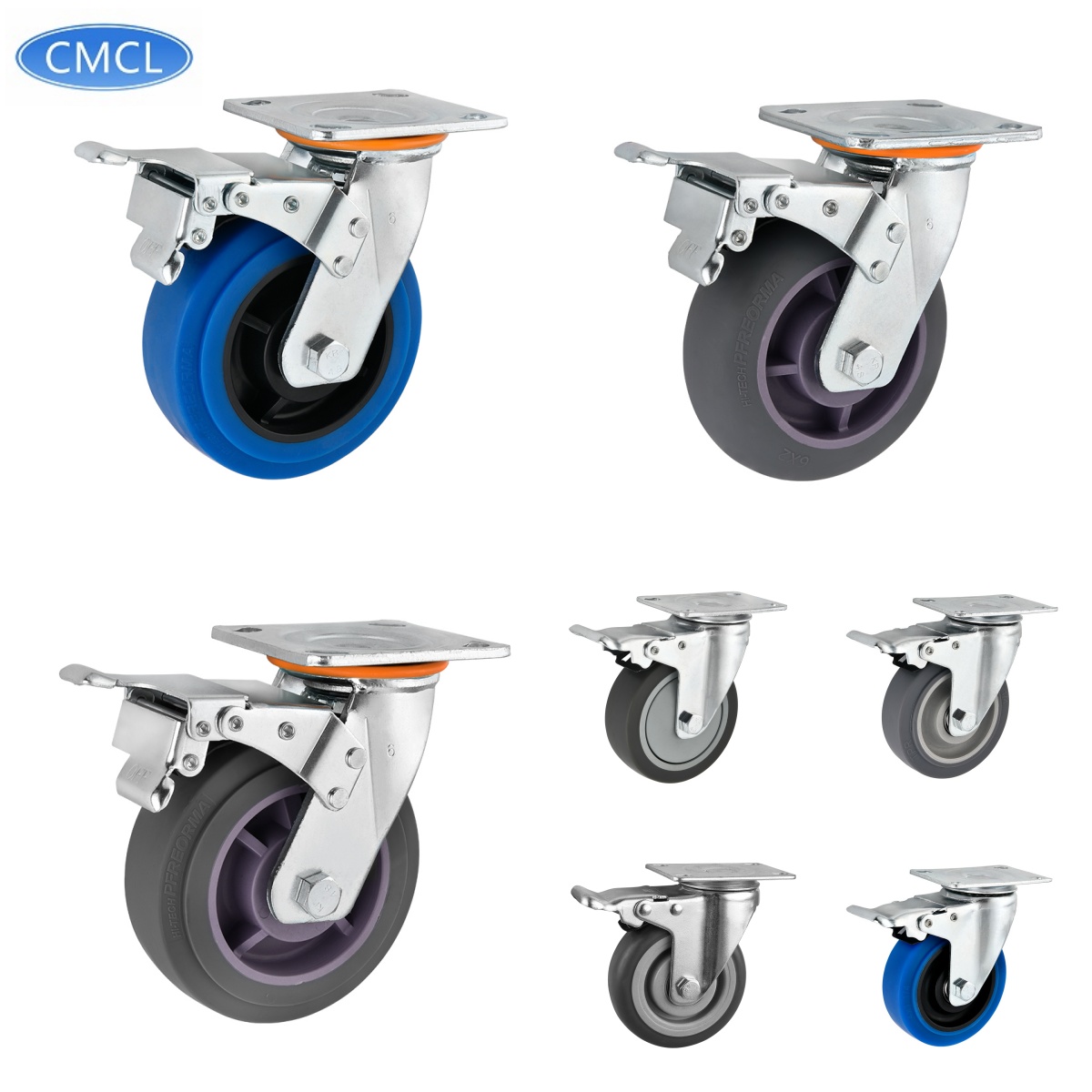
In rubber caster manufacturing, the quality of raw materials stands as a foundational pillar. High-grade rubber compounds, with consistent polymer blends and additives, ensure durability and resilience across various applications. Sourcing from reputable suppliers minimizes impurities that can lead to premature wear or failure, making material selection a critical first step in achieving superior performance and longevity in the final product.
Advanced production techniques, such as precision molding and automated curing processes, significantly enhance quality by reducing variability. Innovations like computer-controlled systems allow for tight tolerances and uniform curing, which in turn prevents defects like air bubbles or uneven surfaces. These methods not only boost efficiency but also elevate the reliability of casters in demanding environments, from industrial floors to medical equipment.
Rigorous quality control measures, including thorough testing for load capacity, wear resistance, and environmental tolerance, are essential to maintain standards. Implementing real-time inspections and post-production audits helps catch issues early, ensuring that each caster meets stringent specifications. This focus on continuous improvement through feedback loops and process refinements sets top manufacturers apart, delivering products that consistently exceed user expectations.
Innovative Materials and Techniques for Enhanced Durability
The pursuit of enhanced durability in modern engineering and design has led to the development of advanced composite materials, such as carbon fiber-reinforced polymers and self-healing concrete. These materials not only withstand harsh environmental conditions but also adapt over time, reducing maintenance costs and extending product lifespans significantly. For instance, self-healing concrete incorporates microcapsules that release healing agents upon cracking, thereby autonomously repairing minor damages and preventing structural degradation.
Beyond material innovations, techniques like additive manufacturing, including 3D printing with high-performance alloys, allow for precise, complex structures that are inherently more resistant to wear and tear. This approach enables the creation of parts with optimized geometries, reducing stress points and improving overall strength without adding unnecessary weight. Such methods are transforming industries from aerospace to consumer goods, where durability is paramount for long-term reliability and user satisfaction.
Additionally, surface treatment technologies, such as nanocoatings and plasma electrolytic oxidation, provide an extra layer of protection against corrosion, abrasion, and UV damage. These techniques enhance material surfaces at a microscopic level, offering superior resistance in demanding applications like automotive components and marine equipment. By integrating these cutting-edge processes, manufacturers can deliver products that not only last longer but also perform better under extreme conditions, setting new standards for durability in various sectors.
Navigating China's Supply Chain for Rubber Casters
Entering China's supply chain for rubber casters can feel like traversing a labyrinth, but with a bit of insider knowledge, it becomes a path to substantial cost savings and quality improvements. The country's manufacturing hubs, particularly in Guangdong and Zhejiang provinces, have perfected the art of producing these essential components, from industrial-grade heavy-duty casters to sleek, quiet options for medical equipment. What sets this market apart is not just the sheer volume but the nuanced specialization among suppliers—some excel in high-volume, standardized orders, while others thrive on custom designs and rapid prototyping. To navigate effectively, start by identifying your specific needs: are you looking for durability under extreme loads, smooth mobility for sensitive environments, or perhaps eco-friendly materials? This clarity will steer you toward the right factories and away from the generic, one-size-fits-all vendors that often dominate initial searches.
The real challenge, however, lies in vetting and communicating with potential partners. Beyond checking certifications like ISO 9001, which many claim but not all uphold rigorously, dig into production capabilities and quality control processes firsthand. For instance, a supplier might boast advanced injection molding for rubber parts, but do they conduct regular wear-and-tear tests to ensure longevity? Building relationships is key—many successful importers emphasize factory visits or video calls to assess operations and discuss customizations, such as specific rubber compounds for enhanced grip or noise reduction. Don't overlook logistics either; coordinating shipping from inland provinces can add unexpected delays, so partnering with suppliers near major ports like Shanghai or Shenzhen can streamline your supply chain. By focusing on these practical steps, you can turn China's complex network into a reliable source for rubber casters that meet exacting standards without the common pitfalls of miscommunication or subpar quality.
In the ever-evolving landscape, staying ahead means keeping an eye on trends like automation and sustainability. Some forward-thinking Chinese manufacturers are now integrating AI-driven quality checks and using recycled rubber materials, offering not just cost-efficiency but also alignment with global environmental goals. To truly stand out, consider collaborating with suppliers who provide end-to-end services, from design consultation to after-sales support, rather than just transactional sales. This approach transforms the supply chain from a mere procurement task into a strategic partnership, ensuring your rubber casters are not only competitively priced but also tailored to enhance your product's performance and brand reputation. Ultimately, navigating this maze successfully hinges on diligence, adaptability, and a willingness to engage deeply with the nuances of China's industrial ecosystem.
Cost-Efficiency Strategies in Rubber Caster Production
When it comes to rubber caster production, cost-efficiency isn't just about trimming expenses; it's about smart resource allocation that boosts performance without compromising quality. A prime strategy involves optimizing raw material usage by investing in advanced compounding technologies that reduce waste and enhance consistency, allowing manufacturers to achieve more with less. For instance, implementing precise mixing techniques can lower material costs by up to 15% while maintaining the desired elasticity and durability of the final product. By focusing on such targeted improvements, companies can stay competitive in a market where every penny counts.
Beyond materials, streamlining the manufacturing process itself is key to cutting costs without sacrificing output. Adopting automated systems for tasks like vulcanization and molding not only speeds up production but also minimizes human error and labor expenses. For example, integrating energy-efficient conveyor belts and real-time monitoring tools can reduce operational downtime by 20%, ensuring that machines run at peak efficiency. This approach not only saves money but also enhances overall plant safety and reliability, making it a win-win for both the bottom line and product quality.
Finally, a proactive maintenance and recycling strategy can deliver long-term savings that many overlook. By regularly inspecting and servicing equipment, producers can prevent costly breakdowns and extend machinery lifespan, thus deferring capital investments. Additionally, recycling scrap rubber into new batches or alternative products can slash disposal costs and promote sustainability. In practice, some leading rubber caster factories have reported annual savings of over 10% by turning waste into raw material, demonstrating that eco-friendly practices can be both economically savvy and environmentally responsible.
Future Trends and Sustainability in the Rubber Caster Industry
As the rubber caster industry navigates a rapidly evolving global market, several key trends are shaping its trajectory toward a more sustainable and innovative future. One significant shift is the increasing adoption of advanced materials and smart technologies, such as bio-based rubber compounds and IoT-enabled casting equipment that optimize production efficiency and reduce waste. Companies are also moving towards circular economy models, where end-of-life rubber products are recycled into new castings, minimizing environmental impact and cutting raw material costs. This holistic approach is driven not just by regulatory pressures but also by consumer demand for greener products and corporate social responsibility initiatives.
Another notable trend is the integration of digitalization and automation, which is revolutionizing how rubber casters design, manufacture, and distribute their products. From 3D printing for rapid prototyping to AI-driven quality control systems that detect defects in real-time, these technologies enhance precision and consistency while lowering energy consumption. For instance, some forward-thinking firms are leveraging cloud-based platforms to streamline supply chains and collaborate with partners on sustainable sourcing, ensuring that every stage of the production process aligns with eco-friendly standards. This focus on tech-driven solutions not only boosts competitiveness but also positions the industry to meet stricter sustainability certifications like ISO 14001.
Looking ahead, the industry's commitment to sustainability is set to deepen, with innovations in energy-efficient machinery and renewable energy adoption in factories becoming more commonplace. Research into non-toxic additives and water-based manufacturing processes is reducing harmful emissions, while partnerships with environmental organizations help casters develop greener practices. As global awareness of climate change grows, rubber casters that prioritize these trends will likely lead the market, attracting investment and fostering resilience against economic fluctuations. Ultimately, the future of this sector hinges on balancing technical advancements with ecological stewardship to create durable, high-performance products that don't compromise the planet.
FAQ
Chinese manufacturers often use high-grade natural rubber, polyurethane, and PVC for rubber casters, which enhance durability by offering superior resistance to abrasion and providing a smooth, quiet roll—key factors in industrial settings.
To ensure quality, conduct thorough factory audits and request detailed product specifications upfront. Many Chinese suppliers now adopt ISO 9001 standards, so verifying certifications and requesting samples for testing is crucial before large-scale orders.
Chinese rubber casters are cost-effective without sacrificing performance, thanks to advanced manufacturing technologies and efficient supply chains. They often come with customizable options to meet specific client needs, making them highly versatile.
Yes, many Chinese producers prioritize eco-friendly practices by using recyclable materials and implementing energy-efficient processes. Look for suppliers that adhere to RoHS or REACH standards to align with global environmental goals.
Customization is extensive, including varying wheel diameters, load capacities, and tread designs. Chinese factories often offer bespoke color-matching and branding, allowing businesses to tailor casters for specific applications or aesthetic preferences.
Chinese-designed rubber casters feature tread patterns that adapt to various floor surfaces—smooth for hard floors to prevent scratches, and textured for uneven terrain to ensure stability and reduce vibration.
Conclusion
China's dominance in rubber caster production is driven by a unique combination of industrial capacity, skilled labor, and advanced manufacturing infrastructure. This position has been solidified through decades of development, making China the world's leading hub for these essential components. By exploring key factors such as quality control systems, innovative materials, and cost-efficiency strategies, manufacturers in China consistently deliver durable and reliable rubber casters that meet global standards. The supply chain is well-organized, enabling seamless navigation from raw material sourcing to final product distribution, which supports the industry's ability to innovate and adapt to market demands.
Looking ahead, future trends in the rubber caster industry in China are increasingly focusing on sustainability and technological advancements. As the sector evolves, there is a growing emphasis on eco-friendly materials and energy-efficient production techniques, ensuring long-term viability and environmental responsibility. These efforts, combined with ongoing innovations in durability and cost-effectiveness, position China's rubber caster manufacturing for continued excellence and leadership in the global market. By integrating these elements, the industry not only maintains its competitive edge but also sets new benchmarks for quality and reliability worldwide.
Contact Us
Contact Person: Ruby
Email: [email protected]
Tel/WhatsApp: +86 13360379367
Website: https://www.cmcl-casters.com