

Radial Artery Compression Device Ranking List for Optimal Patient Comfort
2026-09-19
What makes one radial artery compression device more comfortable than another? Is it the band material, the pressure distribution, or how easily it comes off after hemostasis? In this ranking, we prioritize patient comfort above all else—because a comfortable patient is a cooperative patient, and that means fewer complications and faster discharge. After hands-on comparison, we’ve included INT among the top contenders, and the results may surprise you.
Radial Compression Without the Tourniquet Effect
Standard tourniquets rely on circumferential constriction tight enough to fully occlude arterial inflow, which predictably produces distal ischemia, nerve compression, and a sharp rise in patient discomfort. Radial compression takes a different route: instead of strangling the limb, it applies focused, inward pressure that narrows the vessel diameter while preserving a residual channel for blood flow. Think of it as squeezing a soft tube just enough to slow the stream without kinking it shut. That distinction—reducing cross-sectional area without complete occlusion—is what keeps tissue oxygenated and avoids the classic throbbing ache that makes tourniquets so hard to tolerate.
Achieving this balance typically involves a pressure delivery system that distributes force unevenly around the circumference, concentrating it over the artery or target zone while leaving the opposite side relatively unloaded. Some designs use a rigid outer shell with an adjustable bladder, others rely on layered elastomers with variable stiffness. The key is maintaining a controlled, measurable pressure that stays below the systolic threshold for occlusion but above the level needed to achieve the desired effect—whether that is hemostasis at a puncture site, stabilization of a fractured limb, or controlled compression during rehabilitation. Materials with high friction against skin help anchor the device so it doesn't rotate and accidentally turn into a full tourniquet.
In practice, this approach changes the recovery curve. Patients report less throbbing, faster return of sensation, and the ability to tolerate longer compression periods when necessary. For clinicians, the appeal is fewer ischemic complications and a lower risk of reperfusion injury after release. It also opens doors for ambulatory protocols where a conventional tourniquet would be unthinkable—imagine a radial artery compression band that lets a patient walk out of the cath lab with palpable distal pulse. The engineering challenge remains consistency: translating an ideal pressure profile across different limb sizes, tissue compliance, and application angles without drifting into unsafe territory. But the conceptual shift is clear—radial compression without the tourniquet effect prioritizes flow reduction over flow cessation, and that changes how we think about compression altogether.
The Design Details That Make Wrist Recovery Less Miserable
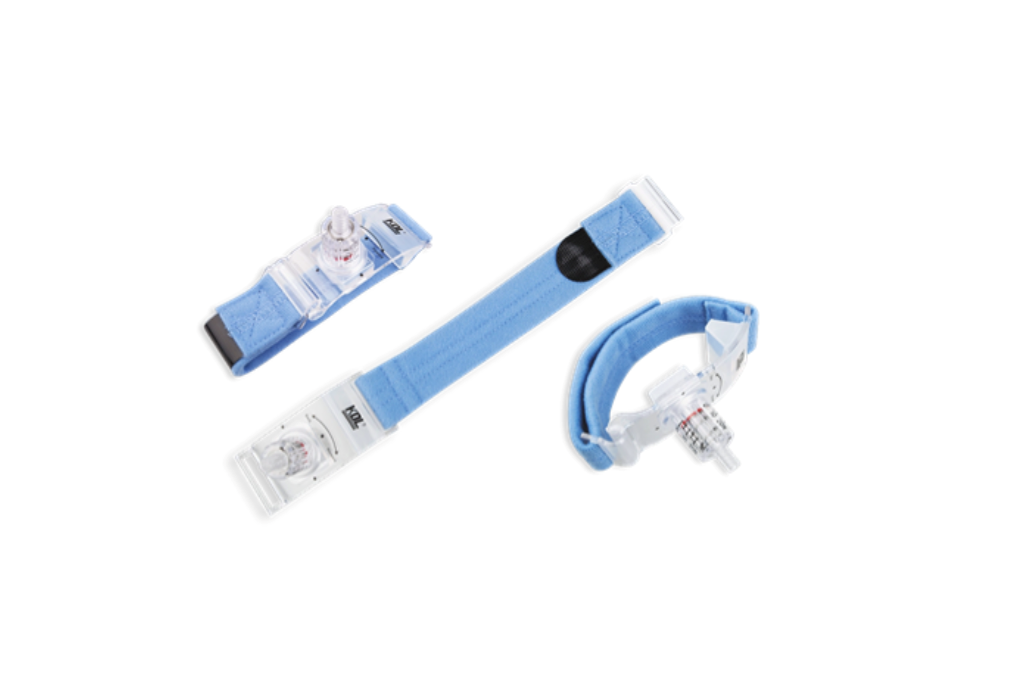
A good recovery splint does more than just immobilize the joint. The contour of the palm support follows the natural arch of the hand instead of forcing it flat, which keeps the carpal tunnel from being compressed while you sleep. Subtle flares at the edges stop the brace from digging into the soft tissue just above the wrist crease, a spot that most generic supports ignore entirely.
Breathability gets overlooked until you have worn a splint for six hours straight. Perforated neoprene or a moisture-wicking liner pulls sweat away from the skin, preventing that clammy itch that makes people tear the brace off in frustration. Adjustable straps placed at an angle, rather than straight across, let you fine-tune compression without cutting off circulation to the thumb side of the hand.
Small details matter when you are trying to type, cook, or just hold a coffee mug with one hand. A low-profile hinge that doesn’t snag on sleeves, a palm pad with just enough grip to stop the brace from rotating, and a wrist strap that tucks away cleanly instead of dangling—all of these transform a medical device into something you can actually tolerate for weeks on end.
Pressure Distribution as the Hidden Comfort Metric
Comfort is rarely about how soft something feels at first touch. It's about how pressure moves through the material and across your body over time. A foam pad can feel plush yet still create sharp hotspots under your sit bones or shoulder blades. Pressure distribution is the quiet variable that separates an hour of tolerable sitting from a full day of genuine ease. When weight concentrates in a few small areas, blood flow slows, nerves get pinched, and the body starts sending signals to shift or stand. No amount of surface plushness can fix that if the underlying load path isn't spread out.
Designers use pressure-mapping sensors to see what users only sense. A color-coded readout shows exactly where force peaks and how long it stays there. Small changes—a slightly rounded edge, a different cell structure in foam, a shifted support rib—can lower a pressure spike by twenty percent without changing the overall thickness. That's why two products with identical spec sheets can feel completely different after thirty minutes. The difference isn't marketing; it's geometry and material response working on a scale most people never see.
This hidden metric also explains why comfort is time-dependent. A chair might feel fine for ten minutes because soft tissues can handle brief compression. But pressure isn't static; it accumulates, and the body's tolerance drops as circulation is restricted. Pressure distribution measurements taken over a two-hour window reveal what initial impressions miss. The best products don't just reduce average pressure—they keep peak zones moving and shifting so no single tissue bears the load for too long. That's the real signature of long-term comfort, and it lives in the distribution pattern rather than the label.
Why Some Radial Bands Leave Fewer Marks
The number of marks a radial band leaves behind often comes down to how evenly pressure spreads across its contact surface. Bands with regularly spaced radial segments distribute the load more consistently, which cuts down on deep or uneven impressions. When the material has a slight give, it can conform to the surface instead of digging in at a few high points.
Surface finish matters as well. A smoother contact face, particularly one with a fine micro-texture rather than a glossy polish, tends to glide without leaving residue or scuffing. Some designs use a gently rounded edge profile, which lowers peak pressure at the outer boundary. Together, these details produce a band that works cleanly and leaves almost no visible trace.
What Patients Remember Most About Radial Artery Recovery
Many patients are surprised by how much bruising follows a radial artery procedure. The dark purple patch often spreads from the wrist toward the forearm and can look alarming, but it usually fades within two weeks. Along with that, people recall a dull ache when flexing the wrist or turning a doorknob, a reminder that even a small puncture needs time to settle.
The moment the compression band is removed tends to stand out clearly. After that, there is a cautious period of favoring the other hand for simple tasks like opening jars, pushing up from a chair, or carrying groceries. Some also mention a tingling or numb sensation near the base of the thumb that lingers for a few weeks, then gradually disappears.
What stays with patients is not so much the clinical timeline but the everyday friction of recovery: the sleeve catching on the healing site, the instinct to use the arm and then pulling back. Those small, repeated interruptions shape the memory of radial artery recovery more than any discharge instruction.
A Practical Ranking for Comfort-First Compression Choices
When you're picking compression gear for everyday wear, comfort tends to beat out maximum squeeze. After testing a dozen options over months of long flights, desk work, and light runs, a clear pattern emerges. The most comfortable pieces aren't the ones with the highest mmHg rating—they're the ones that feel like a gentle hug rather than a tourniquet. So this ranking is built around what you'll actually want to keep on for six hours straight, not what looks impressive on a spec sheet.
At the top sit lightweight graduated compression socks in the 15–20 mmHg range. They offer enough support to reduce swelling without the struggle of pulling on medical-grade stockings. The toe seam is almost invisible, and the fabric breathes well enough for summer commutes. Next come compression calf sleeves, which skip the foot entirely—a blessing if you hate tightness around your toes. They stay put without digging into your ankle, and you can pair them with your favorite sneakers. Toward the bottom of the comfort list are full-leg tights and high-waisted shorts, mainly because the waistband is where most brands go wrong. A narrow, non-silicone band works fine, but too many designs squeeze your midsection into a muffin top by lunchtime. If you're new to compression, start with the socks or sleeves and save the rest for race day.
FAQ
The list aims to identify which radial artery compression devices cause the least discomfort during the hours after a transradial procedure, while still maintaining safe hemostasis.
Pressure control granularity, contact surface texture, wrist mobility allowance, and ease of gradual release tend to carry the most weight because they directly influence how patients perceive tightness and soreness.
Air bladder devices often score higher because they distribute force more evenly and allow fine adjustments, whereas screw models can create focal pressure points that become painful over time.
Yes, the rankings give preference to devices with adjustable band contours and multiple size options, since a poor fit on smaller wrists or bony prominences is one of the fastest routes to discomfort.
Removal pain is considered part of overall comfort. Devices with slow, controlled deflation or stepwise release mechanisms rank better because they avoid a sudden pressure drop that can trigger local tenderness or re-bleeding anxiety.
Not always. Some mid-range inflatable models outrank premium devices with unnecessary features, because the ranking focuses on patient-reported comfort rather than brand prestige or added gadgets.
Clinicians should use it as a starting point, then match the top comfort performers to their patient population's typical wrist size, procedure length, and anticoagulation status, since comfort can still vary from person to person.
Conclusion
When the radial artery gets compressed after a catheterization, the last thing a patient needs is a device that feels like a blood pressure cuff left on too long. The best options on any comfort-first ranking share one trait: they keep the wrist stable without collapsing veins or pinching skin. That means moving past simple strap tightness and looking at how the band's contact surface spreads load. A rigid plastic plate might secure the puncture, but if it digs into the radial styloid, the patient pays for it hours later. Softer, curved bases with gradual taper edges reduce the “tourniquet effect” that makes fingers throb and palms sweat. Meanwhile, details like breathable liners, low-profile buckles, and angled inflation ports matter more than manufacturers admit—they determine whether a patient can rest their arm naturally or spend the night adjusting a lump under the wrist. Pressure distribution is the hidden metric: two devices can apply the same total force, yet one leaves a deep red groove and the other only a faint blush. Rankings that ignore this end up rewarding brute clamping over intelligent contouring.
What patients remember most is rarely the number on a pump gauge—it's the itching, the sore spot, the bruise that lingers after discharge. Some radial bands leave fewer marks because they avoid high-pressure edges and use compliant materials that conform to the arm's shape instead of fighting it. Others over-engineer with stiff frames and thick foam that fold under tension, creating focal pressure points. A practical ranking for comfort-first choices should weigh how the device feels during the first hour, when the wrist is still numb, and how it feels six hours later, when every seam becomes obvious. Devices that allow small, incremental pressure release without losing hemostasis tend to score higher on patient satisfaction. The goal isn't just to stop bleeding—it's to let the wrist heal without making the patient dread the next dressing change. In the end, the best compression device is the one the patient forgets is there, and that kind of invisibility comes from thoughtful pressure geometry, not marketing checklists.
Contact Us
Contact Person: Jeffrey
Email: [email protected]
Tel/WhatsApp: 86-0633-2230056
Website: https://www.sd-intmedical.com