

Professional Snapback Caps That Blend Style and Function for Modern Professionals
2026-08-20
In the modern workplace, your style speaks before you do. A professional snapback cap can be the perfect finishing touch—blending the polished edges of business attire with the comfort of a classic cap. Whether you're heading to a client meeting or a casual Friday brainstorm, the right cap keeps you looking sharp without sacrificing function. At 4ugear, we understand that balance. Our professional snapback caps are designed for those who take their work seriously but refuse to blend in.
A Cap That Works as Hard as You Do
You clock in before sunrise, push through sweat, dust, and weather that would send softer gear into early retirement. This cap keeps pace without demanding a second thought. The fabric shrugs off stains, the brim holds its shape after being jammed into a backpack, and the fit stays snug without turning into a headache by noon.
Most lids either look good on a shelf or survive a real shift. Rarely both. We stitched reinforced seams where cheap caps blow out, chose a sweatband that actually drinks moisture instead of just getting damp, and cut the panels so they sit low without blocking your sightline. No flashy logos, no fragile mesh pretending to be breathable.
After a hundred washes and a dozen dirty jobs, it still sits right and fades evenly. That's the whole point: a cap you forget you're wearing while it quietly handles everything you throw at it.
Why Snapbacks Are No Longer Just for the Weekend
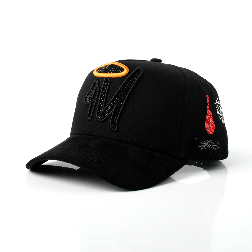
The shift started quietly: a few designers began softening the traditionally stiff crown and swapping loud logos for tonal embroidery. Suddenly, a snapback could sit on a Tuesday morning commute without screaming “game day.”
Today, the same hat that pairs with joggers on a Saturday run now finishes a blazer and knit polo. The adjustable back, once a marker of casual convenience, has been reimagined in leather, suede, and even matte metal—details that make it feel intentional rather than leftover from a stadium giveaway.
What really changed is the wearer’s mindset. A snapback no longer signals “I’m off duty” but instead adds structure to an outfit without the formality of a fedora or the ubiquity of a beanie. It’s a quiet flex: knowing exactly when to break the old rules.
The Sweat-Wicking Secret Behind All-Day Focus
Most people don't realize how quickly a damp shirt can derail their concentration. The moment sweat starts pooling against your skin, your body shifts energy toward temperature regulation, pulling mental resources away from the task at hand. That's where a properly engineered sweat-wicking fabric changes the game: instead of trapping moisture, it pulls perspiration away from the surface and spreads it across a larger area for rapid evaporation. The result isn't just dryness—it's a steady thermal state that lets your brain stay locked in without constant micro-distractions.
What separates a truly effective sweat-wicking layer from a generic athletic tee is the combination of fiber geometry and knit structure. The best materials use hydrophobic yarns with irregular cross-sections, creating tiny channels that actively move moisture outward while allowing air to circulate back in. This isn't about feeling cool for a few minutes after a sprint; it's about maintaining a stable microclimate hour after hour, whether you're in a stuffy conference room or grinding through a long commute. When your skin isn't fighting a sticky layer of sweat, your mind stops registering physical discomfort and starts treating the garment as invisible.
For anyone who's ever hit a mid-afternoon slump and blamed it on caffeine or sleep, the real culprit might be simpler: your shirt has been quietly sabotaging your focus since lunch. Investing in gear that manages moisture at the source isn't a luxury—it's a cognitive tool. Once you stop noticing your clothing, you free up the bandwidth you didn't know you were spending on small adjustments, fabric tugging, and that faint, distracting chill. That's the sweat-wicking secret no one talks about: comfort isn't the goal, it's the doorway to sustained attention.
Tailored Fit Without the Tailor Shop Price
Most men know the quiet frustration of a shirt that fits well in the shoulders but balloons around the waist, or a pair of trousers that sits perfectly at the hips yet strains across the thighs. Off-the-rack sizing relies on broad statistical averages, which means almost no real body matches the template. The result is a wardrobe full of compromises—sleeves an inch too long, a collar that gapes when you sit, or a jacket that pulls at the buttons every time you reach for a coffee. A truly tailored fit solves all of this, but the price tag of a bespoke garment often feels like a luxury reserved for special occasions rather than everyday wear.
The good news is that you don't need to choose between a perfect fit and a sensible budget. Modern fitting techniques—such as strategic darting, side-seam adjustments, and hemline refinements—can transform an affordable off-the-rack piece into something that drapes like it was made for you. A skilled alterations specialist can shorten a sleeve, taper a trouser leg, or take in a jacket waist for a fraction of the cost of custom tailoring. The key is knowing which alterations yield the most dramatic improvements: focusing on shoulder alignment, sleeve pitch, and the break of the trousers rather than chasing every half-centimeter.
What makes this approach stand out is the attention to how fabric moves on your actual body, not a mannequin's. Instead of relying on vanity sizing or stretch panels to mask a poor cut, strategic tailoring works with the garment's original structure to clean up the lines. A well-executed waist suppression on a blazer, for instance, can create the same sharp silhouette as a made-to-measure piece for a third of the cost. Likewise, adjusting the rise of a pair of chinos or narrowing a shirt through the torso can eliminate the billowing effect that makes even expensive clothes look cheap. You end up with clothes that feel custom because they respect your proportions—without the tailor-shop invoice to prove it.
Quiet Colors That Command Respect in Any Room
There's a particular authority in colors that don't raise their voice. A deep sage or a weathered slate blue can anchor a room in a way that brighter hues rarely manage. These tones have a stillness about them, and that stillness reads as confidence. When walls, upholstery, or even a single accent wall sit in a muted olive or a soft charcoal, the space feels deliberate. Nothing is begging for attention, yet everything holds it.
The key is complexity. Flat pastels can feel timid, but a color with a hint of brown or gray underneath gains weight. Think of a mushroom taupe, a dusty terracotta, or a blue that leans almost green in low light. These shades absorb and shift as the day moves, giving a room a quiet depth. That depth is what makes people pause and take the room seriously before they've even noticed why.
They also play well with texture—unlacquered brass, raw linen, dark wood—because the color itself doesn't compete. Instead, it gives those materials room to speak. The result is a space that feels composed rather than decorated.
One Cap, Five Meetings, Zero Wardrobe Panic
The magic of a single cap lies in its quiet versatility. It slides from a morning brainstorm to a client lunch without demanding a second thought. No rummaging through drawers, no last-minute ironing. Just one well-chosen piece that carries you through back-to-back video calls, a quick coffee run, and an evening debrief. The outfit shifts, but the cap stays, turning potential wardrobe chaos into a non-event.
Five meetings in one day used to mean five outfit changes in my head. Now it means five different rooms, five different screens, and the same reliable cap keeping everything grounded. It absorbs the sweat of a rushed commute, hides the hair that didn't cooperate, and adds just enough polish to make sweatpants look intentional. The real win isn't the style—it's the mental space you get back when getting dressed stops being a decision.
Zero wardrobe panic is less about minimalism and more about trust. You trust that the cap works with the blazer, the hoodie, the wrinkled shirt from yesterday. You trust that no one is counting your outfit repeats because the cap anchors every version. And when the fifth meeting ends and someone says "let's grab a drink," you're already dressed for it. That's the whole trick: one cap, endless exits, and not a single moment wasted on what to wear.
FAQ
They trade flashy logos for clean lines, muted tones, and structured crowns, so they read as intentional rather than casual.
Yes, the interior sweatband is soft and the closure lets you fine-tune the fit without pinching, even through long commutes or back-to-back meetings.
Definitely—pair a charcoal or navy cap with a blazer and chinos, and it adds a sharp, modern edge without looking out of place.
Most use a cotton-twill or wool-blend fabric with a lightly reinforced brim, balancing breathability with a polished structure.
Spot-clean with a damp cloth and mild soap, then let it air dry on a rounded surface to keep the crown from collapsing.
Yes, the snapback closure offers a wide range of adjustment, so it fits most head sizes securely without relying on stretch.
They handle light weather well and shield your eyes from glare, though for heavy rain or extreme heat you'd want something more specialized.
Instead of oversized logos and bright graphics, these focus on subtle texture, tonal stitching, and a lower-profile fit that works with tailored clothing.
Conclusion
Professional snapback caps have quietly evolved from weekend gear into a reliable staple for the modern workday. The key is balance: a structured crown and flat brim keep the look sharp enough for client calls, while breathable, sweat-wicking fabrics handle the afternoon rush without leaving you damp or distracted. You don't have to choose between a tailored fit and a reasonable price either—adjustable snaps give you a custom feel straight out of the box, so the cap sits comfortably from your first coffee to your last handshake. Muted tones like charcoal, navy, and olive replace loud logos, helping you project calm authority in boardrooms and co-working spaces alike.
This isn't the slouchy cap you throw on for errands. A well-designed snapback now works as hard as you do, holding its shape through back-to-back meetings and long commutes while keeping sweat off your brow. Because the style reads as intentional rather than casual, one cap can move with you from a morning standup to an evening networking event without that nagging wardrobe panic. In short, the modern professional snapback blends quiet confidence with practical comfort, proving that functional accessories don't have to sacrifice polish.
Contact Us
Contact Person: Tommy
Email: [email protected]
Tel/WhatsApp: 8613546956008
Website: https://www.4ugearsupply.com/