

Polymer Soil Stabilizer for Road Construction: Unlocking Stronger, Longer-Lasting Pavements
2026-07-27
Imagine roads that withstand heavy traffic, harsh weather, and the test of time without constant repairs. That future is already being paved—literally—with advanced polymer soil stabilizers. At the heart of this innovation is MST, a solution that transforms weak soils into solid foundations. In this post, we’ll explore how polymer soil stabilization redefines road construction, delivering strength, durability, and sustainability where it matters most.
How Polymers Turn Loose Soil into a Load-Bearing Foundation
When loose, granular soil is treated with a polymer, the individual particles become chemically bonded together. This process fundamentally alters the soil's physical properties, transforming it from a shifting, unstable mass into a cohesive, solid matrix. The polymer chains wrap around soil grains and create a three-dimensional network that locks them in place, dramatically increasing compressive strength and resistance to erosion.
The key lies in the polymer’s ability to form strong, durable bridges between soil particles. As the polymer solution permeates the soil, it coats each grain and begins to cure, forming a tough, adhesive binding phase. Even small amounts of polymer can significantly boost load-bearing capacity because the interconnected structure distributes weight evenly across a wider area. This mechanism prevents the kind of localized failure that occurs in untreated soil, where point loads cause immediate sinking or displacement.
In practical terms, this means that a layer of polymer-stabilized soil can support heavy structures without the need for deep excavation or expensive aggregate replacements. The matrix remains flexible enough to accommodate minor ground movements yet rigid enough to maintain integrity under sustained pressure. It’s a cost-effective alternative that turns problematic, sandy, or silty ground into a reliable foundation base, even in challenging environments where traditional methods fall short.
Cutting Costs Without Cutting Corners: The Economics of Polymer Stabilization
Polymer degradation can quietly erode profit margins through premature product failure, warranty claims, and material waste. Stabilization isn't an added expense—it's a strategic investment that shifts cost curves by extending service life and preserving mechanical properties. The real economics lie in avoiding the hidden costs of under-stabilized materials: reprocessing scrap, managing customer returns, and losing market reputation when products yellow or crack before their time.
The art is in matching stabilization chemistry to the specific stressors an application will face—be it UV exposure, thermal cycling, or processing shear. Over-engineering with excessive additive packages bleeds budgets, while bare-minimum approaches invite failure. Smart formulators use synergistic blends that deliver protection at lower total loadings, exploiting antagonistic interactions to their advantage. Data-driven selection, guided by accelerated weathering data correlated to real-world performance, helps avoid both extremes.
Lifecycle cost analysis often reveals that high-performance stabilizer systems pay for themselves many times over. A few cents of additional stabilization per part can prevent dollars in field-failure remediation. Emerging technologies like encapsulated stabilizers and bio-based antioxidants further bend the cost curve, offering targeted release and reduced environmental footprint without sacrificing protection. Ultimately, polymer stabilization is about preserving value—keeping material in service longer and out of landfills sooner, which is both an economic and ecological win.
Greener Roads Ahead: Sustainability Gains from Polymer Use
Modern road construction is quietly undergoing a materials revolution, one that swaps traditional asphalt’s heavy carbon footprint for longer-lasting polymer-modified binders. By integrating recycled plastics or bio-based polymers into pavement mixes, engineers are extending service life by up to 50%, slashing the need for frequent repaving and the associated fuel, aggregate, and bitumen consumption. This durability-driven approach directly shrinks lifecycle emissions and diverts waste from landfills or incineration, turning problematic plastics into durable infrastructure.
The benefits go beyond longevity. Cooler pavements made possible through reflective polymer additives can mitigate urban heat islands, reducing the energy demand for air conditioning nearby. Meanwhile, quieter surfaces from optimized polymer textures lower noise pollution, creating healthier communities without extra cost. Even construction efficiency improves: polymer mixes can be laid at lower temperatures, cutting worksite emissions and allowing faster reopening of traffic lanes—a practical win for both the environment and the traveling public.
These gains are already measurable in real-world projects. For instance, a highway resurfacing trial in California using recycled polyethylene terephthalate (rPET) from plastic bottles showed equivalent performance to conventional methods while sequestering thousands of pounds of plastic waste per lane mile. As material science advances and regulatory pressures grow, such polymer-based solutions are poised to redefine what it means to build and maintain roads responsibly, proving that the path to a greener future can literally be paved with today’s plastic waste.
Mixing It Right: On-Site Application of Polymer Stabilizers
Getting polymer stabilizers to perform as intended often hinges on how they're actually mixed on-site. It's not just about dumping a bucket of additive into the hopper and hoping for the best. Temperature, shear, and the order of addition can all trip up an otherwise well-formulated product. A common mistake is adding stabilizer before the base polymer has fully melted, which can lead to uneven dispersion and hot spots that degrade over time. Instead, many experienced operators swear by a staged approach: let the virgin material plasticate first, then introduce the stabilizer masterbatch when the melt is already homogeneous. This small adjustment can make a noticeable difference in long-term weathering performance.
Another underappreciated factor is the moisture content of raw materials taken straight from storage. Even in supposedly dry environments, condensation can sneak in and react with certain stabilizers, creating aggressive byproducts that attack the polymer chain during processing. A quick check with a portable moisture analyzer right at the feed throat has saved more than a few batches from premature yellowing. And when you're working with powdered stabilizers, don't underestimate the importance of proper dust control. A simple local exhaust hood coupled with a well-sealed mixing vessel keeps the workspace cleaner and prevents cross-contamination between production runs. It's these on-the-ground decisions, not just the chemical specs, that ultimately determine whether the stabilizer does its job for the full lifespan of the product.
Case in Point: Noteworthy Projects Using Polymer Soil Stabilization
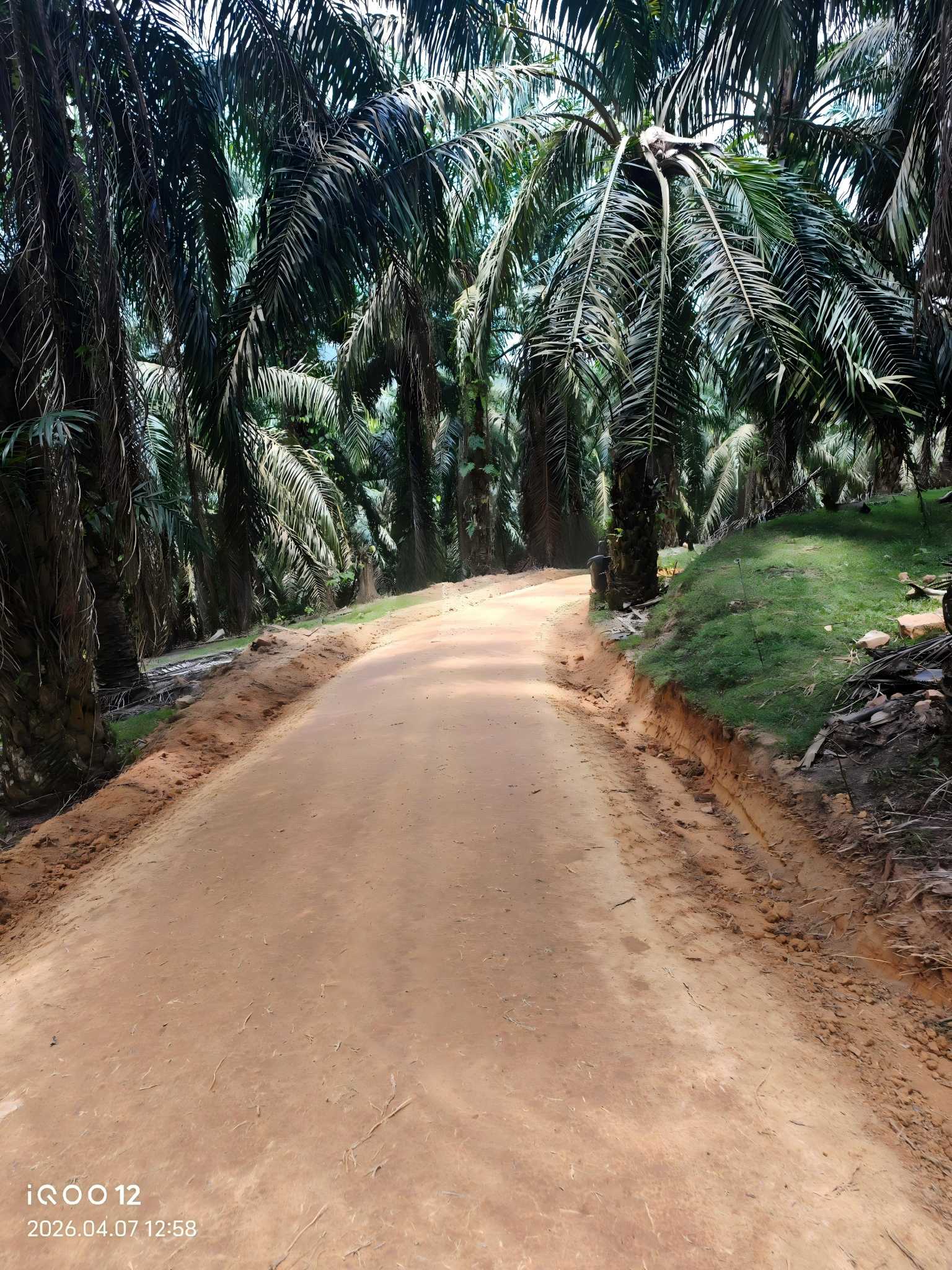
A stretch of highway in West Texas once plagued by expansive clay subgrades underwent treatment with a liquid polymer admixture. Instead of hauling off the problematic soil, crews mixed the polymer directly into the top layer. Within days, the roadbed gained enough strength to resist swelling and shrinkage cycles, and subsequent inspections over a three-year span showed significantly fewer cracks and potholes compared to untreated control sections.
In Australia’s Pilbara region, a mining company faced constant dust and erosion along unpaved haul roads that carried heavy iron-ore trucks. They turned to a synthetic polymer emulsion sprayed onto the compacted surface. The treatment bound the fine particles together, forming a durable crust that cut water consumption for dust suppression by nearly 70% and extended grading intervals from two weeks to over two months, all without introducing harmful chemicals into the surrounding desert ecosystem.
During construction of a logistics complex near Dubai, engineers had to stabilize vast areas of loose aeolian sand before laying foundations. A bio-based polymer—derived from plant starches—was blended into the sand using a simple rotavator process. The resulting matrix could support heavy equipment within hours and maintained its integrity even after rare heavy rains, enabling the project team to skip the typical multi-week cement-stabilization phase and meet a tight deadline.
The Long Haul: Why Polymer-Treated Pavements Outlast the Rest
Polymer-treated pavements owe their exceptional durability to a fundamental shift in how the binding matrix responds to stress. Traditional asphalt relies on a bituminous binder that gradually oxidizes and becomes brittle, forming micro-cracks under repeated traffic loads and temperature swings. The addition of polymers—whether elastomeric or plastomeric—creates a three-dimensional network within the binder that absorbs and disperses energy far more efficiently. This molecular reinforcement means the pavement can flex under heavy loads without fracturing, then return to its original shape, dramatically slowing the propagation of cracks that typically spell the end of a road’s service life.
Beyond mechanical resilience, polymer modification directly combats the environmental factors that accelerate pavement deterioration. Water intrusion, a primary culprit in pothole formation, is stifled because the polymer-rich matrix resists stripping at the aggregate-binder interface. Simultaneously, the enhanced binder film thickness shields aggregates from UV radiation and oxidation, preserving flexibility over decades instead of years. In regions with extreme temperature fluctuations, polymer-treated surfaces remain less prone to thermal cracking in winter and rutting in summer, effectively neutralizing the two most common distress mechanisms.
The economic argument for polymer-treated pavements becomes undeniable when factoring in the extended maintenance cycles. While upfront costs run higher, the life-cycle cost analysis reveals a different story: fewer overlays, reduced lane closures, and minimal structural repairs translate into substantial savings for transportation agencies. A road that can endure twice the traffic load before requiring intervention doesn’t just save money—it reduces congestion from work zones and cuts the carbon footprint associated with repeated construction. In an era demanding longer-lived infrastructure, polymer treatment isn’t an upgrade; it’s a necessary evolution in pavement engineering.
FAQ
It's a synthetic liquid additive that chemically bonds soil particles together, forming a flexible yet durable matrix. Unlike cement that simply hardens into a brittle mass, polymer stabilizers create a water-resistant, semi-flexible pavement base that can handle freeze-thaw cycles and heavy loads without cracking.
By transforming the subgrade and base layers into a unified, high-strength platform. This reduces rutting, potholing, and washboarding because the treated soil gains higher compressive and tensile strength, and it shrugs off water infiltration that normally weakens untreated roads.
It shines in remote or low-budget projects where hauling aggregate is costly, in areas with poor native soils, or for unpaved roads that need an affordable upgrade. It's also ideal for stabilizing haul roads, industrial yards, and even residential driveways where a full-depth pavement isn't necessary.
Sure. First, scarify the existing soil to the desired depth. Spray the polymer concentrate mixed with water onto the soil, then blend it thoroughly with a grader or tiller. Compact the treated soil to maximum density using a roller, and shape the surface to the final grade. A curing period of 24–48 hours lets the cross-linking reaction complete, after which traffic can resume.
Very little. You'll mostly perform occasional grading or light resurfacing with more polymer if surface wear appears. The stabilized layer remains intact underneath, so you're only refreshing the top inch or two—far cheaper and faster than patching asphalt or regraveling.
It typically is. Using on-site soils cuts down on quarrying, trucking, and associated emissions. The polymers themselves are often non-toxic and water-based. Plus, the reduced need for frequent reconstruction means less long-term resource consumption and disturbance to surrounding land.
Conclusion
Polymer soil stabilization is reshaping road construction by chemically binding loose particles into a dense, load-bearing platform. Through ionic exchange and polymer chain entanglement, the treated soil gains remarkable compressive strength and water resistance, allowing it to support heavy traffic without rutting or swelling. This transformation not only reduces the need for costly aggregate imports but also slashes maintenance cycles, as stabilized bases resist erosion far longer than traditional layers. The economics are compelling: on-site mixing with existing soil eliminates excavation and hauling, cutting material and labor expenses by 30–50%, while accelerated curing keeps projects on schedule.
Beyond durability, polymer stabilizers shrink the carbon footprint of road projects by minimizing truck trips and leveraging native soils, aligning with green construction goals. Field application is systematic: a precise dilution of liquid concentrate is sprayed or mixed with soil, followed by compaction, creating a monolithic foundation in hours. Projects across diverse geographies—from rural access roads to heavy-duty highways—demonstrate that polymer-treated pavements resist freeze-thaw cycles and maintain their integrity for decades, outlasting conventional alternatives. The result is a smarter, sustainable investment that delivers smoother rides and far lower lifecycle costs.
Contact Us
Contact Person: Helen
Email: [email protected]
Tel/WhatsApp: 86 18630661160
Website: https://www.roadmilestone.com/