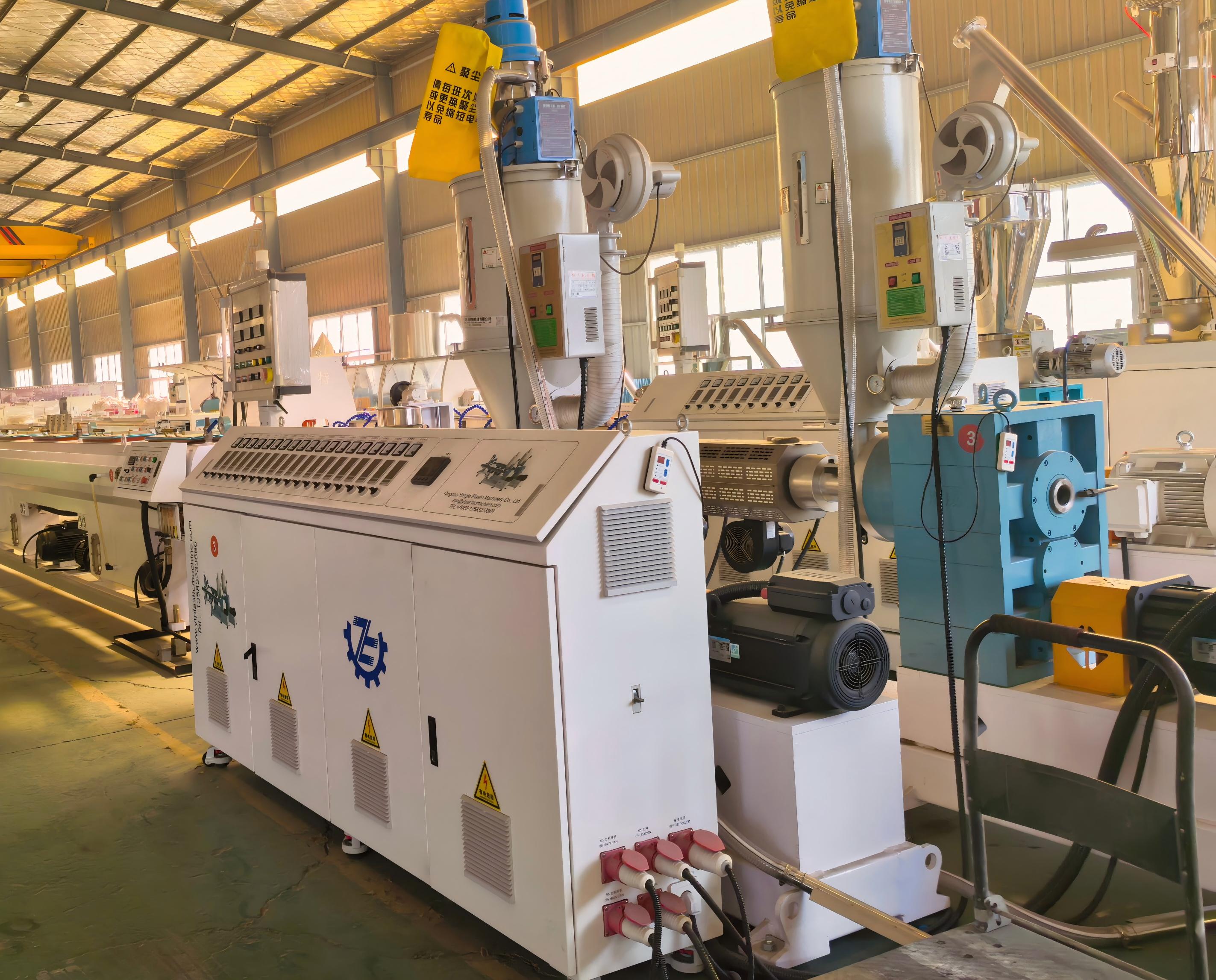

PE Pipe Machine Manufacturer: A Guide to Selecting the Right Equipment
2026-03-30
In the world of plastic pipe production, choosing the right manufacturing equipment can make or break your operational efficiency. As industries increasingly rely on durable and versatile PE pipes, the demand for reliable machinery has never been higher. At Yongte, we understand the intricate challenges manufacturers face when selecting the perfect machine. This guide aims to demystify the process, offering practical insights into key factors like performance, cost-effectiveness, and technological advancements. Whether you're a seasoned professional or new to the field, our expertise will help you navigate this critical decision with confidence. Dive in to discover how the right equipment can transform your production line and drive success. Let's explore what truly matters in PE pipe machinery selection.
Essential Features of PE Pipe Extrusion Equipment
When it comes to producing high-quality polyethylene pipes, the extrusion equipment plays a pivotal role, and certain features are absolutely essential for optimal performance. Key among these is the screw design, which greatly influences material mixing and melting efficiency. Modern extruders often incorporate barrier screws or mixing sections to ensure uniform polymer flow and minimize defects, directly impacting the pipe's strength and durability. Additionally, precise temperature control systems are crucial, as PE materials are sensitive to heat variations; advanced digital controllers help maintain consistent processing conditions, reducing waste and enhancing product consistency.
Another critical aspect is the die and calibrator setup, which shapes the molten plastic into the desired pipe dimensions with accuracy. High-quality dies made from durable materials like tool steel resist wear and corrosion, ensuring long-term reliability in continuous operations. Coupled with vacuum tanks or water baths for cooling and sizing, this equipment enables tight tolerances and smooth surfaces, essential for applications in water supply or gas distribution where reliability is paramount. These components work in tandem to prevent issues like ovality or wall thickness variations, often seen in less sophisticated setups.
Innovations in automation and monitoring further distinguish top-tier PE pipe extrusion equipment. Features like integrated sensors and real-time data analytics allow operators to fine-tune parameters on the fly, adapting to material batches or environmental changes. This not only boosts productivity by reducing downtime but also ensures compliance with stringent industry standards, such as those for pressure ratings and chemical resistance. By prioritizing these advanced elements, manufacturers can achieve superior output that meets evolving demands in construction and infrastructure projects.
Key Factors in Evaluating Machine Performance
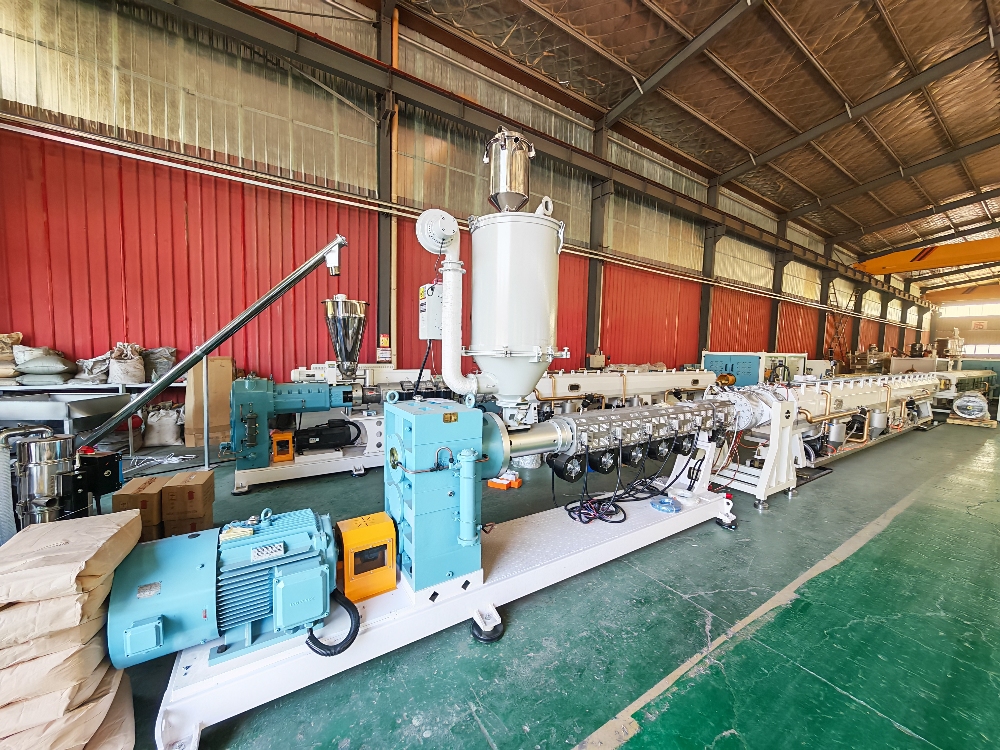
When assessing machine performance, a multifaceted approach is essential, as no single metric can fully capture a system's capabilities. Factors like processing speed, memory efficiency, and energy consumption often take center stage, but the interplay between these elements determines real-world effectiveness. For instance, a machine might boast high clock speeds, yet if it struggles with multitasking due to inadequate RAM, overall performance can suffer noticeably under load. Similarly, in modern applications ranging from data centers to mobile devices, thermal management and power draw play critical roles—overheating or excessive energy use can lead to throttling or reduced battery life, directly impacting user experience. Thus, a balanced evaluation considers how these components integrate to support smooth, reliable operation across diverse tasks.
Beyond raw hardware metrics, evaluating performance often hinges on specific workloads and use cases. For computational tasks like video rendering or scientific simulations, factors such as core count and parallel processing capabilities become paramount, as they enable faster completion of complex calculations. In contrast, for everyday office applications or web browsing, factors like storage speed—particularly with SSDs—and network connectivity might dominate, ensuring quick access to files and seamless online interactions. Context matters greatly; a machine optimized for gaming, with high-end graphics and low latency, may underperform in a server environment that prioritizes uptime and data throughput. Tailoring assessments to intended purposes helps avoid oversimplifying performance into generic benchmarks.
Ultimately, machine performance evaluation is evolving to include software and ecosystem considerations. The efficiency of operating systems, drivers, and applications can significantly influence how hardware resources are utilized, meaning two machines with identical specs might perform differently based on software optimization. Moreover, factors like upgradability and long-term support contribute to sustained performance, as machines that allow for easy component swaps or receive regular updates tend to remain capable over time. In today's fast-paced tech landscape, a holistic view that blends immediate metrics with future-proofing strategies ensures a more nuanced and practical understanding of what makes a machine truly high-performing.
Innovative Technologies Enhancing Production Efficiency
The integration of cutting-edge technologies like artificial intelligence and machine learning is revolutionizing production processes by enabling real-time data analysis and predictive maintenance. This allows manufacturers to anticipate equipment failures, reduce downtime, and optimize resource allocation, leading to significant gains in operational efficiency and cost savings. By automating complex decision-making, these innovations help streamline workflows and enhance overall productivity.
Advanced robotics and Internet of Things (IoT) devices further boost efficiency by facilitating seamless communication between machinery and systems on the factory floor. This connectivity enables precise monitoring of production metrics, such as output rates and quality control, allowing for immediate adjustments and minimizing waste. The synergy of these technologies creates agile, adaptive manufacturing environments that can quickly respond to market demands and operational challenges.
Emerging tools like digital twins and additive manufacturing also play a key role, offering virtual simulations and rapid prototyping to refine production designs before implementation. This reduces trial-and-error cycles, accelerates innovation timelines, and supports sustainable practices by cutting material usage and energy consumption. Ultimately, such technological advancements empower industries to achieve higher output with fewer resources, driving competitive advantage in a fast-paced global economy.
Cost Considerations for Long-Term Investment
When planning for long-term investments, it's crucial to look beyond initial purchase prices and consider a range of ongoing expenses that can significantly impact your returns over time. Think about management fees, which often seem small at first but compound into substantial amounts, or tax implications that vary depending on your investment vehicle and location. By accounting for these costs upfront, you can avoid unpleasant surprises down the road and ensure your portfolio grows steadily without being eroded by hidden charges.
One aspect that's frequently underestimated is the effect of inflation on long-term holdings. While some investments might appear stable, failing to adjust for rising costs can erode your purchasing power, making it essential to choose assets that historically outpace inflation. Additionally, liquidity costs, such as penalties for early withdrawals or transaction fees for rebalancing, can add up, especially if you need to access funds unexpectedly. A smart strategy involves building in buffers for these expenses to maintain flexibility without sacrificing growth.
Beyond monetary costs, don't overlook the time and effort required to manage a long-term investment effectively. Regular monitoring, research, and potential advisor fees contribute to the overall expense, even if they're not directly billed. By automating certain processes or opting for low-maintenance options like index funds, you can reduce these burdens while keeping costs in check. Ultimately, a balanced approach that weighs both financial and personal costs will help you achieve sustained success without burning out or overspending.
Customization Options for Specific Applications
Tailoring software to unique business needs isn't just about adding features; it's about creating a seamless experience that integrates with existing workflows. For specific applications, customization options range from simple user interface tweaks to deep API integrations, allowing companies to enhance functionality without overcomplicating the system. This flexibility helps address niche requirements in fields like healthcare or finance, where precision and compliance are paramount.
Diving deeper, customization often involves modular components that can be rearranged or extended based on application demands. For instance, in project management tools, teams might add custom fields for tracking specialized metrics, while in e-commerce platforms, developers could implement unique payment gateways or shipping calculators. These adaptations not only improve user satisfaction but also boost efficiency by eliminating unnecessary steps, making the application feel like a natural extension of daily operations.
Moreover, effective customization goes beyond technical tweaks—it involves understanding the end-user's context. By offering options for branding, reporting formats, and automation rules, applications can adapt to diverse industries and scaling needs. This approach empowers organizations to evolve their tools as new challenges arise, ensuring long-term relevance without constant overhauls, ultimately delivering a more personalized and impactful solution.
Maintenance and Support Services for Reliable Operation
Imagine your business relies on seamless digital operations day in and day out. That's where our maintenance and support services step in, ensuring everything runs smoothly behind the scenes. It's not just about fixing issues when they pop up; it's a proactive partnership to prevent disruptions before they can impact your workflow. We tailor our approach to your unique setup, keeping your systems healthy and your team focused on what matters most.
Our dedicated support team is available round-the-clock, ready to tackle anything from minor glitches to critical emergencies. We don't just respond—we dive deep to understand the root cause, offering solutions that enhance reliability over time. By integrating regular check-ups and real-time monitoring, we create a safety net that lets you operate with confidence, knowing expert help is always at hand.
Beyond technical fixes, we provide insights and recommendations to optimize your operations, helping you stay ahead of trends and potential challenges. This ongoing collaboration builds a foundation of trust, turning maintenance into a strategic advantage for your organization's long-term success.
FAQ
Consider factors such as production capacity, machine durability, after-sales support, energy efficiency, compatibility with raw materials, and compliance with industry standards.
A reputable manufacturer often provides advanced technology and precise engineering, leading to consistent pipe dimensions, better fusion properties, and reduced defects.
Common types include single-screw extruders, twin-screw extruders, co-extrusion lines for multi-layer pipes, and specialized machines for large-diameter or corrugated pipes.
Yes, many manufacturers offer customization options like adjustable screw designs, modular components, and integration with auxiliary systems for tailored solutions.
Look for comprehensive training, readily available spare parts, remote monitoring capabilities, and prompt on-site service to minimize downtime.
Yes, some manufacturers offer compact, entry-level machines or used equipment that can be upgraded, providing budget-friendly options without compromising basic functionality.
Conclusion
Selecting the right PE pipe extrusion equipment requires understanding essential features like precision screw-barrel systems, temperature control, and automation capabilities, which ensure consistent product quality and adaptability to materials like HDPE and MDPE. Evaluating machine performance involves key factors such as output rates, energy efficiency, and durability—crucial for reducing operational costs and enhancing productivity over time. By focusing on these aspects, manufacturers can align their choices with production demands, ensuring equipment meets both current needs and future scalability.
Innovative technologies, such as digital controls and IoT integration, significantly boost production efficiency by enabling real-time monitoring and predictive maintenance, which ties into long-term cost considerations for investment. Customization options allow tailoring machines to specific applications, from water supply to industrial pipelines, while reliable maintenance and support services ensure minimal downtime and sustained operation. This holistic approach helps buyers make informed decisions, balancing innovation with practicality for reliable, efficient PE pipe manufacturing.
Contact Us
Contact Person: Ms Qin
Email: [email protected]
Tel/WhatsApp: 8613583233866
Website: https://www.yongteplast.com