

Optimizing Chains for Agriculture: How C Type Steel Enhances Farming Equipment
2026-03-24
In the world of modern agriculture, efficiency and durability are paramount. Chains play a crucial role in the seamless operation of farming equipment, yet their optimization often goes overlooked. But what if a simple change in material could revolutionize how equipment performs in the field? Enter C type steel – a game-changer in chain technology. At Raydafon, we're exploring how this advanced steel enhances chains, boosting reliability and productivity for farmers everywhere. In this blog, we'll dive into the innovative ways C type steel is transforming agricultural machinery, offering insights that could redefine your approach to farm maintenance. Stay tuned to learn more about this cutting-edge solution and its practical benefits.
Strengthening Farm Machinery: The Role of C-Type Steel in Enhancing Durability
On farms around the world, machinery faces relentless demands from harsh weather, abrasive soils, and continuous operation. To withstand these challenges, the materials used in construction are paramount. C-type steel, a specific grade known for its balanced properties of strength and workability, plays a critical role in reinforcing key components like plowshares, support beams, and harvesting equipment. Unlike some specialized alloys that might be too brittle or costly, C-type steel offers a practical solution, enhancing durability without compromising on flexibility or maintenance ease.
The inherent characteristics of C-type steel, such as its moderate carbon content and alloying elements, contribute to improved resistance against wear and corrosion. This makes it particularly effective in parts that regularly encounter moisture, dirt, and mechanical stress, reducing the frequency of breakdowns and the need for replacements. As a result, farmers can rely on their equipment for longer periods, leading to increased productivity and lower overall costs. By choosing C-type steel, manufacturers can build machinery that endures the rigors of agricultural work season after season.
Beyond its technical attributes, the use of C-type steel reflects a broader trend towards sustainable farming practices. Durable machinery means less waste from discarded parts and fewer resources spent on repairs, aligning with environmental goals. Innovations in steel processing continue to refine its performance, ensuring it remains a cornerstone in the quest for robust farm tools that support modern agriculture's evolving needs, from small-scale operations to large commercial farms.
Reducing Maintenance Needs: How C-Type Steel Cuts Costs in Agricultural Equipment
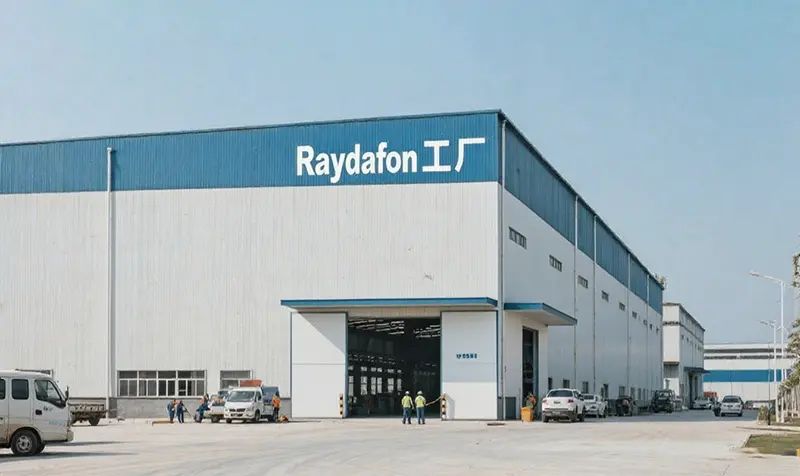
By integrating C-type steel into agricultural machinery, we’re seeing a dramatic shift in how maintenance impacts overall costs. Unlike traditional materials that wear down under constant exposure to harsh elements, C-type steel offers superior corrosion resistance and durability. This means fewer breakdowns and less frequent part replacements, directly slashing the time and money spent on upkeep. For farmers and equipment operators, it translates to more reliable performance during critical seasons without the hassle of unexpected repairs.
What sets C-type steel apart is its ability to withstand extreme conditions, from wet fields to abrasive soil particles, without compromising structural integrity. This resilience reduces the need for routine inspections and adjustments, allowing equipment to run longer between maintenance intervals. Over the lifespan of a machine, these savings add up significantly, not just in spare parts but also in labor costs and downtime. It’s a smart investment that pays off through enhanced efficiency and lower total cost of ownership.
Beyond the immediate benefits, using C-type steel supports sustainability in agriculture by extending equipment life and reducing waste. Fewer replacements mean less material consumption and lower environmental impact, aligning with modern farming practices. This material innovation is quietly revolutionizing how we think about maintenance, making agricultural tools more robust and cost-effective for the long haul.
Improving Efficiency on the Field: C-Type Steel's Impact on Performance and Yield
C-type steel has revolutionized agricultural operations by significantly boosting efficiency on the field. Its unique structural properties allow for lighter yet stronger machinery parts, reducing fuel consumption and wear and tear during long hours of use. Farmers report that equipment made with this material requires less maintenance, enabling them to cover more ground in less time without frequent interruptions for repairs.
When it comes to performance, C-type steel enhances the durability and precision of farm tools, leading to more consistent crop yields. For example, plows and harrows constructed from this steel maintain sharp edges longer, ensuring optimal soil preparation that promotes healthier plant growth. This reliability translates directly into higher productivity, as crops benefit from better aeration and nutrient distribution throughout the growing season.
The yield improvements are particularly notable in challenging conditions, where C-type steel's resilience helps machinery withstand harsh weather and rough terrain. This adaptability means farmers can maximize output even in less-than-ideal environments, securing a more stable harvest year after year. By integrating these steel components, agricultural practices become more sustainable and profitable without sacrificing quality.
Versatile Applications of C-Type Steel: From Plows to Harvesters in Modern Farming
C-type steel has become a cornerstone of modern agricultural machinery, transforming from its early use in simple plows to sophisticated components in today's harvesters. Its unique shape, resembling the letter C, provides exceptional strength and durability while keeping weight manageable—a perfect balance for heavy-duty farming equipment that must withstand constant stress without compromising efficiency. Unlike traditional materials that might bend under pressure, C-type steel resists deformation, ensuring plows maintain their cutting edge through rocky soils and harvesters operate reliably during peak seasons.
Beyond basic structural roles, C-type steel's versatility shines in specialized applications like combine harvesters, where it forms critical parts such as grain augers and frame supports. These components benefit from steel's ability to handle high loads and resist corrosion from moisture and chemicals, a common challenge in agricultural environments. Moreover, its flexibility allows for innovative designs that improve fuel efficiency and reduce maintenance downtime, directly impacting farmers' bottom lines by lowering operational costs and boosting productivity year after year.
The adoption of C-type steel reflects broader trends in farming toward sustainability and precision, as its longevity minimizes waste and its adaptability supports advanced features like GPS-guided systems. By enabling lighter yet stronger machinery, it helps reduce soil compaction and energy use, contributing to more eco-friendly practices without sacrificing performance—a key reason it remains favored over alternatives in an industry constantly evolving to meet global food demands.
Sustainability and Resilience: C-Type Steel's Contribution to Eco-Friendly Agriculture
C-Type steel, a high-strength, corrosion-resistant alloy, is transforming eco-friendly agriculture by offering durable, long-lasting solutions that minimize resource consumption and environmental impact. Unlike traditional materials prone to rust and degradation, its resilience reduces the need for frequent replacements, thereby cutting down on waste and energy use in agricultural infrastructure, such as greenhouses, irrigation systems, and storage facilities.
In sustainable farming practices, C-Type steel plays a crucial role in enhancing resilience against harsh weather conditions, including extreme rainfall or high humidity, which can compromise crop yields and equipment. By maintaining structural integrity over time, it supports energy-efficient designs that optimize natural light and water management, contributing to lower carbon footprints while ensuring reliable food production systems that adapt to climate change challenges.
Moreover, this material's recyclability aligns with circular economy principles in agriculture, as it can be repurposed at the end of its lifecycle without losing quality. Farmers adopting C-Type steel benefit from reduced maintenance costs and extended service life, fostering a more sustainable and resilient agricultural sector that prioritizes eco-conscious methods without sacrificing productivity or reliability.
Innovations in Design: How C-Type Steel Shapes the Future of Farming Tools
C-Type steel, a versatile and robust material, is revolutionizing the design of farming tools by offering superior strength-to-weight ratios and enhanced durability. Its unique cross-section, resembling the letter 'C', allows for efficient load distribution, making tools like plows and harrows more resilient against the harsh conditions of modern agriculture. This innovation not only extends the lifespan of equipment but also reduces maintenance costs, empowering farmers to focus on productivity rather than frequent repairs.
As sustainability becomes a critical focus in agriculture, C-Type steel enables the creation of tools that are both eco-friendly and highly functional. Its lightweight nature leads to lower fuel consumption in mechanized farming, cutting down carbon emissions and operational expenses. Moreover, the material's resistance to corrosion and wear ensures that tools withstand prolonged exposure to moisture and soil, promoting longer usage cycles and minimizing waste. This shift towards durable, efficient designs is setting a new standard for green farming practices worldwide.
Looking ahead, the integration of C-Type steel with smart technologies promises to further transform farming tools into intelligent, precision-driven systems. By leveraging this steel's adaptability, manufacturers can embed sensors and automation components directly into tool structures, enabling real-time data collection on soil health and crop conditions. Such advancements not only boost yields but also pave the way for a future where farming tools become integral parts of connected agricultural ecosystems, driving innovation from the ground up.
FAQ
C-type steel, also known as cold-formed steel, is a lightweight, durable material that enhances farming equipment by offering high strength-to-weight ratios, reducing wear and tear, and improving efficiency in agricultural operations.
C-type steel's resistance to corrosion and structural integrity helps farming machinery withstand harsh environmental conditions, leading to longer lifespan and reduced maintenance costs compared to traditional materials.
C-type steel is often utilized in modern tractors, harvesters, and irrigation systems, where its flexibility and strength contribute to better performance and adaptability in diverse farming tasks.
By reducing material waste and enhancing equipment longevity, C-type steel lowers overall production and operational expenses, making it a cost-effective choice for farmers seeking sustainable solutions.
Its lightweight nature reduces fuel consumption in machinery, and its recyclability supports eco-friendly practices, aligning with efforts to minimize agriculture's carbon footprint.
Yes, C-type steel can be easily shaped and engineered to meet specific requirements, allowing for tailored applications that optimize functionality across various farming scenarios.
Challenges include initial adaptation costs, retrofitting older machinery, and ensuring proper installation to maintain safety standards, though these are often outweighed by long-term benefits.
C-type steel offers superior strength and flexibility at a lower cost than aluminum, and it outperforms traditional steel in terms of weight efficiency and corrosion resistance, making it a versatile option for farming innovations.
Conclusion
C-type steel has become a cornerstone material in modern agriculture, significantly enhancing the durability and performance of farming equipment. By incorporating C-type steel into critical components like plows, harrows, and harvesters, manufacturers create machinery that withstands harsh field conditions, reducing wear and tear from soil abrasion and heavy loads. This material not only strengthens farm tools but also cuts maintenance costs by minimizing breakdowns and the need for frequent replacements. As a result, farmers benefit from more reliable operations, which directly contributes to improved efficiency and higher yields on the field, ensuring that agricultural tasks are completed timely and effectively.
Beyond performance, C-type steel offers versatility and sustainability, making it essential for eco-friendly agriculture. Its applications span diverse equipment types, from traditional plows to advanced harvesters, demonstrating adaptability to evolving farming needs. Innovations in design, such as lightweight yet robust frameworks, further shape the future of farming tools by enhancing resilience and reducing environmental impact through longer-lasting, recyclable materials. Overall, C-type steel optimizes agricultural chains by fostering durability, cost-efficiency, and sustainable practices, positioning it as a key driver in advancing modern farming toward greater productivity and environmental stewardship.
Contact Us
Contact Person: Mr. Shen
Email: [email protected]
Tel/WhatsApp: +86-574-87168065
Website: https://www.transmissions-china.com/
