

OEM Tubular Steel Poles in China: A Sourcing Guide for Global Buyers
2026-08-25
Ask any procurement manager who's sourced steel poles from China, and you'll hear the same story: the first quote looks great, but then come the delays, the inconsistent welds, the certification headaches. The reality is that not all OEM tubular steel pole manufacturers are equal. This guide breaks down what separates a dependable partner from a costly gamble—and why Anbang keeps showing up in conversations among serious global buyers.
What OEM Tubular Steel Poles Actually Cover
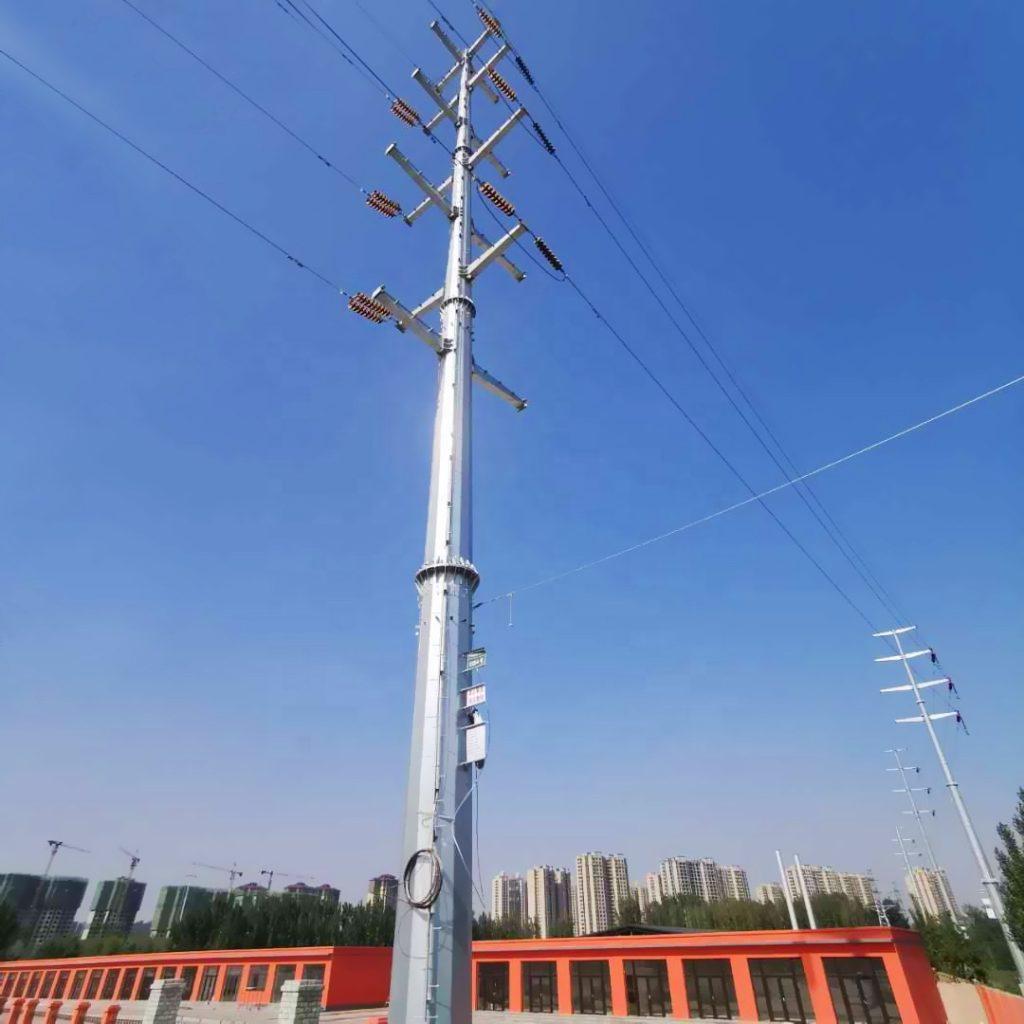
A true OEM tubular steel pole order begins well before the first weld. It covers the exact outer diameter, wall thickness, and steel grade specified for the load and wind conditions, not a generic off-the-shelf size. Custom slip joints, base plates with drilled bolt circles, and handholes for internal wiring all fall inside the OEM scope.
Beyond the raw shape, the OEM scope includes the corrosion protection system. Hot-dip galvanizing to ASTM A123, powder coating in custom RAL colors, or a duplex system combining both are all part of the quoted pole. The manufacturer also handles edge grinding, weld smoothing, and any required anti-condensation drain holes before finishing.
Finally, OEM tubular steel poles cover the accessories that make the pole usable on site. Anchor bolts, leveling nuts, grounding lugs, luminaire mounting arms, and even pre-installed internal cable guides are often specified and shipped together. For traffic signal or camera poles, the OEM may also include a breakaway base or a slip-fit transformer base as part of the standard package.
Evaluating Chinese Manufacturers Beyond the Brochure
A glossy brochure and a well-rehearsed showroom tour won't reveal much about how a Chinese manufacturer actually performs when your order is on the line. Ask to walk the production floor without a scripted route. Look at whether raw materials are stored properly, whether the equipment matches the photos they sent, and whether the workers on the third shift are running the same processes you were shown earlier. Count active production lines rather than admiring the sample room. Request a trial run using your own material instead of the supplier's in-house stock, and compare the output against the daily logs they claim to keep.
Push beyond the sales team, too. Ask to meet the quality control staff separately and find out if they report to production or to a different manager. Contact two or three past clients whose names were not supplied by the factory. Check how the company responds when you introduce a small design change or question a tolerance. A manufacturer that welcomes a price negotiation but refuses to discuss its reject rate or raw material sourcing is often hiding the information that matters most. The best factories are not the ones with the thickest catalog, but the ones that can show consistent output, clear communication, and stable financial references when you ask.
Material Grades and Coatings That Survive Harsh Climates
Coastal installations, desert outposts, and alpine facilities all share a common enemy: relentless environmental stress. Salt spray, intense UV radiation, sand abrasion, and thermal shock can quickly degrade ordinary building materials, leading to costly repairs and premature failure. To counter these forces, specifiers often turn to corrosion-resistant alloys like 316L stainless steel, which adds molybdenum for superior pitting resistance in chloride-rich air. Marine-grade aluminum (5052 or 6061-T6) offers a lightweight alternative with natural oxide protection, though it needs careful isolation from dissimilar metals to avoid galvanic corrosion. Even structural steel can survive if hot-dip galvanized to a thick zinc coating, which sacrificially protects the base metal for decades in most climates.
Beyond the base material, advanced coating systems provide the first line of defense. Polyvinylidene fluoride (PVDF) finishes, commonly applied to aluminum and steel panels, resist chalking and fading under extreme UV exposure while shedding dirt and pollutants. For steel structures in industrial or marine zones, a three-part system of zinc-rich primer, epoxy intermediate coat, and polyurethane topcoat delivers robust barrier protection and impact resistance. In arid regions, ceramic-infused coatings can reflect solar radiation and reduce thermal cycling stress, preventing micro-cracking that invites moisture ingress. Powder coatings based on fluoropolymer resins also excel in high-temperature, high-humidity environments, maintaining adhesion and color stability far longer than conventional liquid paints.
Choosing the right combination demands a close look at microclimatic factors, not just broad climate zones. A building near a busy highway in a cold region faces de-icing salts and freeze-thaw cycles, so a ductile iron or stainless steel grade with a flexible polyurea coating may outperform a rigid epoxy system. Similarly, tropical coastal sites with high rainfall and strong sun benefit from 2205 duplex stainless steel, which bridges the cost gap between standard austenitic grades and exotic alloys while doubling yield strength. Regular maintenance still matters—no coating is truly permanent—but pairing the correct material grade with a compatible, multi-layer protective system can extend service life by two to three times compared to standard specifications. Field testing under actual exposure conditions remains the most reliable way to validate any harsh-climate solution.
Negotiating Pricing Without Sacrificing Structural Integrity
When a client pushes back on cost, the instinct is often to trim materials or simplify joins. That rarely ends well. Instead, look at the whole assembly: can you reduce machining steps without changing load paths? Can you source a standard section that meets the same deflection limits? These moves lower the bid without touching the bones of the design.
It also helps to separate fixed requirements from negotiable preferences. If a beam size is dictated by code, say so plainly—then offer savings elsewhere, like a thinner non-structural cladding or a simpler connection detail that still passes review. Clients respect a line that is drawn for physics rather than habit.
Finally, put the trade-offs in writing. A short note explaining that the cheaper bracket would require twice the weld inspection, or that the lighter floor system would add vibration damping, turns a vague negotiation into an engineering conversation. You keep the structure honest, and the client keeps the budget.
Quality Control Checks Before Your Shipment Leaves the Port
Before your containers are sealed and lifted onto the vessel, a final round of quality control checks should be carried out at the port. This is the last practical moment to catch discrepancies between what the customer ordered and what is actually inside the boxes. Teams often pull random samples from the pallets, compare them against the approved pre-production sample, and verify that labels, barcodes, and packaging are all consistent. It is not just about spotting defects; it is about making sure the right product is going to the right destination, with no last-minute substitutions slipping through.
Depending on the product type, these checks can go well beyond a visual once-over. Electronics might be powered on for a quick function test, textiles inspected for loose threads or color mismatches, and fragile items given a gentle shake to detect shifting. Any questionable units are set aside, and if there are enough of them, the whole lot may be reworked right there in the bonded warehouse. Catching a failed seam or a faulty switch before the ship sails is far cheaper than handling returns, replacements, or angry customers once the goods arrive overseas.
Documentation also needs to match the physical cargo at this stage. A quick walk-through with the packing list in hand can reveal cases marked with the wrong SKU, pallets that are short, or cartons that were damaged during transport to the port but never flagged. Photographing the loading process and recording container and seal numbers gives you a clear reference point if a dispute arises later. By treating this pre-departure inspection as a hard gate rather than an optional formality, you protect both your reputation and your bottom line.
Logistics and Import Pitfalls Global Buyers Often Miss
One trap that catches many first-time importers is demurrage and detention charges. These fees accrue when containers aren't picked up from the port or returned on time, and they can silently eat away your profit margin. A shipment that arrives on a Friday might sit over the weekend because your customs broker isn't available, turning a routine clearance into a four-figure surprise. Smart buyers negotiate free days upfront with the freight forwarder and keep a local contact on standby to handle last-minute paperwork.
Another commonly overlooked issue is the mismatch between the commercial invoice and the actual goods. Customs authorities in many countries do physical inspections, and if the declared value, quantity, or even the product description doesn't match what's inside the container, you risk fines, delays, or even seizure. For example, calling an item a "gift" instead of "commercial sample" can trigger an audit that holds your cargo for weeks. Always have your supplier provide a detailed packing list and cross-check every line item before the vessel departs.
Finally, don't underestimate the importance of proper insurance coverage. Many buyers assume that the carrier's liability will cover damage or loss, but that coverage is often minimal—sometimes as little as a few dollars per kilogram. A single dropped crate of electronics can wipe out an entire shipment's profit. Look into all-risk cargo insurance that covers door-to-door transit, including loading and unloading, and make sure the policy covers the full commercial value, not just the supplier's cost.
FAQ
Ask for the mill certificate of the steel coil or plate, not just the pole factory's own test report. Confirm the exact zinc coating thickness—many customers assume hot-dip galvanizing means 85 microns, but for coastal or humid areas 100 microns or more is often necessary. Also check how the factory handles internal welding slag and whether they apply a rust-preventive coating inside the pole.
The standard route is to fabricate the pole, weld all attachments, then hot-dip galvanize the complete assembly. After galvanizing, the surface is lightly ground or swept to remove zinc spikes and drips, then a polyester powder topcoat is applied. Some buyers request a primer under the powder, but if the galvanized layer is intact, a single powder coat usually bonds well.
For standard 6 to 12 meter street light poles, Q235B or Q355B steel is common, with wall thickness from 3 mm to 5 mm depending on wind load and arm weight. Traffic signal poles and high mast poles often go up to 6 mm or 8 mm at the base. If you need a specific grade, request a mill certificate and avoid factories that only list 'mild steel' without a grade.
Yes, but you need to provide clear assembly drawings or at least the overlap length and taper rate. Slip-fit joints in China are usually 1.5 to 2 times the large diameter, but for high wind zones some buyers specify longer overlaps. Ask the factory to do a trial assembly before galvanizing because zinc adds thickness and can make joints too tight.
At a minimum, require visual inspection of the longitudinal and circumferential welds. If the pole is for a critical structure, ask for ultrasonic or dye penetrant testing on the butt welds near the base plate. After galvanizing, check coating thickness with a magnetic gauge and look for bare spots, lumps, or sharp edges. Also confirm the pole's straightness tolerance—usually 1 mm per meter or better.
Most Chinese factories bundle poles with steel straps and separate them with foam or wooden battens. For containers, poles longer than 11.8 meters usually go in open-top or flat rack containers. If the poles are nested or slip-fit, the factory should protect the joint surfaces with grease or plastic caps. Ask for photos of the packing before the container is sealed.
For a 20-foot container with several pole types and custom base plates, plan on 30 to 45 days after drawing approval and deposit. Galvanizing can add a week, especially if the factory relies on an outside galvanizing plant. Around Chinese New Year, lead times can stretch by 10 to 15 days, so place orders early or confirm the factory's holiday schedule.
Yes. Custom base plates, special anchor bolt sets, or non-standard flange patterns may involve die or mold fees. Some factories also charge separately for internal cable holes, handholes, or reinforced doors. If you need third-party inspection, clarify who pays for the inspector's travel and testing. Always ask for a detailed quotation that lists these cost items rather than a lump sum.
Conclusion
OEM tubular steel poles from Chinese factories go far beyond simple metal tubes—they involve custom tapering, base plate welding, internal cabling pathways, and attachment points that match specific transmission or lighting projects. A reliable sourcing process starts by looking past glossy brochures; you should ask for live video tours, third-party audit reports, and references from buyers who had similar voltage or wind load requirements. Material choice matters most in coastal, tropical, or freezing environments. Hot-dip galvanizing to ASTM A123 or ISO 1461 standards paired with a polyester or epoxy top coat adds years of life, while high-strength grades like Q355 or S355 offer better deflection performance than plain Q235.
Price talks should never center only on cost per metric ton. Instead, compare weight calculations, steel thickness tolerances, and whether a quote covers full-length galvanizing or leaves bare sections at the base plate. You can push for better freight terms or volume-based tooling discounts, but never accept thinner walls or unverified steel mill certificates. Before shipment, request dimensional checks on the top and bottom outer diameters, straightness readings, coating thickness tests, and a 100% weld inspection report. Finally, watch for avoidable import problems: ensure pole base plates match your anchor bolt circle, clarify whether the price includes port charges and fumigation, and confirm if the shipment requires breakbulk or open-top containers for longer sections.
Contact Us
Contact Person: antor khan
Email: [email protected]
Tel/WhatsApp: 8613863903569
Website: https://www.qdabtower.com/