
Narrow Strip Mill Supplier: Essential Guide for Your Steel Production Needs
2026-03-04
In the competitive landscape of steel manufacturing, the choice of a narrow strip mill supplier can make or break your production efficiency and quality. With decades of experience in the industry, GRM stands out as a leader in providing innovative solutions tailored to meet the rigorous demands of modern steel production. This guide dives deep into the essential considerations for selecting the right supplier, offering insights that will help you optimize your operations and stay ahead of the curve. Whether you're new to the field or looking to upgrade your existing setup, you'll find practical advice and expert perspectives to guide your decisions. Discover how partnering with a trusted supplier like GRM can transform your steel production process and unlock new levels of performance.
Unlocking the Secrets of Narrow Strip Mills for Optimal Steel Production
In the ever-evolving landscape of steel manufacturing, narrow strip mills stand as critical yet often overlooked components that can dramatically influence production outcomes. These mills, typically designed to handle strips less than 600 mm in width, play a pivotal role in sectors like automotive, appliance, and precision engineering, where consistent quality and tight tolerances are non-negotiable. The key to unlocking their full potential lies in a deep understanding of their operational intricacies—from the initial slab reheating to the final coiling process. By delving into the nuances of temperature control, roll gap adjustments, and speed synchronization, producers can achieve a remarkable balance between throughput and uniformity, ultimately paving the way for superior steel grades that meet stringent industry demands.
One of the most compelling aspects of narrow strip mills is their ability to cater to niche markets that require specialized steel products. Unlike broader mills that prioritize volume, these setups excel in producing narrow strips with exceptional surface finish and mechanical properties, making them ideal for applications like transformer cores, razor blades, and high-strength fasteners. To harness this capability, manufacturers must adopt a holistic approach that integrates advanced sensors and real-time data analytics into the mill's framework. This enables precise monitoring of variables such as strip tension, thickness variations, and microstructural changes during rolling, allowing for rapid adjustments that minimize defects and enhance material performance. In essence, the secret lies not just in the machinery itself, but in the intelligent systems that guide its operation, transforming raw steel into high-value products with minimal waste.
Furthermore, achieving optimal steel production in narrow strip mills often hinges on innovative maintenance strategies and workforce expertise. Given the precision required, even minor deviations in roll alignment or lubrication can lead to significant quality issues, underscoring the importance of proactive upkeep and skilled operator intervention. By fostering a culture of continuous improvement and leveraging cutting-edge technologies like predictive maintenance tools, companies can extend equipment lifespan, reduce downtime, and ensure consistent output. Ultimately, unlocking these secrets is about more than just technical know-how—it's about creating a synergistic environment where human insight and technological advancements converge to drive efficiency and innovation, setting new benchmarks in the competitive steel industry.
Selecting the Right Supplier to Boost Your Manufacturing Efficiency
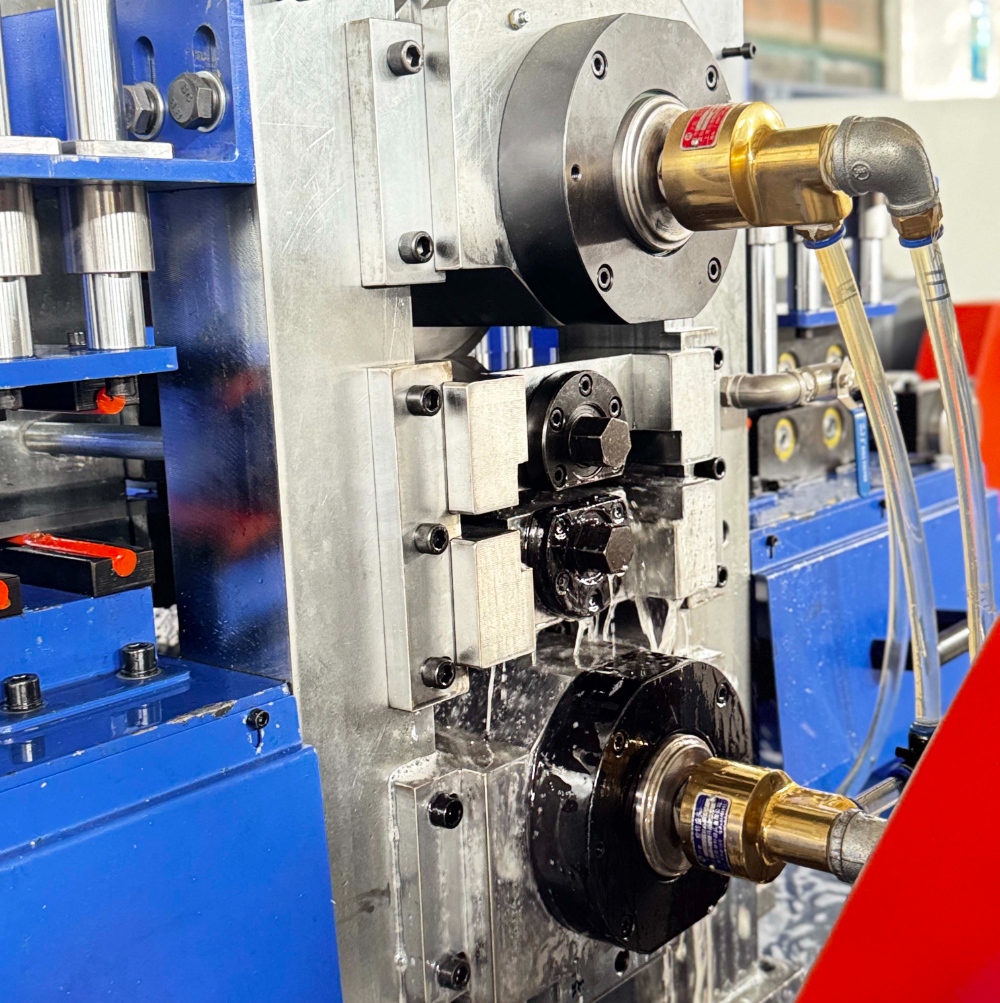
When it comes to enhancing your manufacturing operations, the choice of supplier can make all the difference. Instead of just picking the cheapest option, savvy manufacturers look for partners who understand their unique needs—whether it’s consistent quality, flexible delivery schedules, or innovative materials. By building relationships with suppliers who align with your production goals, you not only streamline your supply chain but also reduce downtime and unexpected costs that can derail efficiency.
A key aspect often overlooked is evaluating a supplier’s adaptability to changes in your industry. For example, if you’re scaling up production or shifting to sustainable practices, a responsive supplier can offer tailored solutions and support, helping you stay agile. This proactive approach transforms suppliers from mere vendors into strategic allies, ensuring your manufacturing line runs smoothly even under shifting market demands.
Ultimately, boosting efficiency isn’t just about speed; it’s about achieving a reliable and high-quality output consistently. By selecting suppliers based on criteria like technological integration, ethical standards, and long-term reliability, you create a foundation for sustained growth. This careful selection process pays off in reduced waste, better product outcomes, and a competitive edge that keeps your manufacturing ahead of the curve.
Key Features and Innovations in Modern Narrow Strip Mill Technology
Modern narrow strip mills have evolved significantly, incorporating advanced technologies to enhance precision and flexibility. Key innovations include sophisticated computer control systems that optimize rolling parameters in real-time, allowing for tighter tolerances and improved surface finishes. These mills often feature high-speed setups, such as flying shear mechanisms, which enable seamless cutting and continuous production, reducing downtime and increasing output. The integration of predictive maintenance tools, using sensors and data analytics, helps prevent equipment failures and ensures reliable operation.
A standout feature is the modular design of these mills, which allows for quick reconfiguration to produce a wide range of strip widths and thicknesses with minimal adjustments. This adaptability is crucial for meeting diverse market demands, from automotive components to electronic devices. Innovations like laser-assisted heating and advanced cooling systems have also been introduced, improving material properties and reducing energy consumption. By leveraging these technologies, modern narrow strip mills deliver unmatched customization and efficiency in metal processing.
Furthermore, environmental considerations are now a core focus, with innovations aimed at reducing the carbon footprint of strip production. Many mills incorporate closed-loop water recycling systems and energy-efficient drives to minimize waste and resource use. The use of lightweight, high-strength alloys in mill components has also gained traction, enhancing durability while reducing operational costs. Together, these features not only boost productivity but also align with sustainable manufacturing practices, making modern narrow strip mills a forward-looking choice for industries seeking both performance and sustainability.
How to Customize Your Steel Output with Advanced Mill Solutions
Tailoring steel production to meet specific industry demands requires more than just standard machinery—it's about leveraging cutting-edge mill technologies that adapt to unique material properties and end-use requirements. By integrating intelligent control systems, manufacturers can fine-tune parameters like thickness, strength, and surface finish in real-time, ensuring each batch aligns perfectly with customer specifications. This approach not only enhances product consistency but also reduces waste, making it a game-changer for competitive markets.
Advanced solutions, such as predictive analytics and automated feedback loops, enable mills to anticipate and adjust for variations in raw materials or environmental conditions. Imagine a system that learns from past production runs, continuously optimizing rolling speeds and temperature controls to produce steel with unparalleled precision. This level of customization empowers manufacturers to offer bespoke products, from high-strength alloys for automotive applications to corrosion-resistant grades for marine environments, all while boosting efficiency.
Collaboration between engineering teams and technology providers is key to unlocking these benefits, as custom configurations often involve integrating multiple components like sensors, robotics, and data platforms. By focusing on modular designs, mills can scale their operations and quickly adapt to new trends, ensuring long-term relevance in a dynamic industry. Ultimately, embracing these advanced solutions transforms steel output from a generic commodity into a tailored asset that drives innovation and customer satisfaction.
Maintenance Tips and Best Practices for Prolonging Mill Performance
Regular inspections play a crucial role in extending the lifespan of your mill. By scheduling routine checks, you can catch minor issues before they escalate into major problems. For instance, monitoring vibrations and sounds helps detect misalignments or worn bearings early, allowing for timely repairs that prevent costly downtime. Don't just rely on automated systems—engaging experienced technicians for hands-on assessments ensures a deeper understanding of equipment condition, fostering proactive maintenance rather than reactive fixes.
Adopting a tailored lubrication strategy makes a significant difference in mill performance. Instead of generic schedules, choose lubricants specifically designed for heavy-duty milling environments and adjust application frequency based on actual usage patterns. Keeping records of lubrication history can reveal trends, helping optimize intervals and reduce wear. This approach not only enhances efficiency but also minimizes contamination risks, supporting smoother operations and longer component life.
Investing in operator training goes beyond basic skills—it empowers the team to recognize subtle signs of wear or inefficiency. Encourage a culture where operators report anomalies immediately, as their daily interactions with the mill provide invaluable insights. Combining this with data-driven tools, such as performance analytics, allows for fine-tuning of processes, ensuring the mill operates at peak capacity while avoiding unnecessary stress on machinery.
Comparing Top Suppliers to Find the Perfect Fit for Your Needs
Navigating the crowded landscape of suppliers can feel overwhelming, especially when you’re aiming to pinpoint the exact partners that align with your unique requirements. Rather than falling back on generic advice or outdated rankings, our approach is all about fostering a hands-on evaluation process. We encourage you to dive deep into specifics, from production capabilities and quality control measures to ethical practices and customer service responsiveness. By comparing these critical factors side-by-side, you’re not just picking a supplier; you’re curating a strategic ally tailored to propel your business forward.
In today’s fast-paced market, a one-size-fits-all solution rarely cuts it. That’s why we emphasize crafting a customized checklist based on your operational needs, budget constraints, and long-term goals. This isn’t about ticking boxes off a standard list—it’s about identifying which suppliers can truly adapt to your evolving demands. From flexible contract terms to innovative problem-solving, the right fit often emerges from those who demonstrate a willingness to collaborate and grow alongside you, ensuring a partnership that stands the test of time.
Ultimately, the perfect supplier isn’t always the most prominent or the cheapest; it’s the one that seamlessly integrates into your workflow, enhancing efficiency and driving results. By prioritizing transparent communication and proactive support in your comparisons, you can weed out contenders who may look good on paper but falter in practice. This thoughtful, personalized evaluation helps you build a resilient supply chain that not only meets today’s challenges but also positions you for future opportunities.
FAQ
A narrow strip mill specializes in rolling steel into thin, narrow strips, essential for precision applications like automotive parts and electronics, offering enhanced control over thickness and surface quality.
Choosing an experienced supplier ensures reliable equipment that minimizes downtime, optimizes energy use, and provides technical support, directly boosting throughput and reducing operational costs.
Prioritize suppliers with robust engineering capabilities, proven track records, customizable solutions, and strong after-sales service to meet specific production demands and handle unforeseen challenges.
Yes, advanced mills are designed to process various alloys, including stainless and carbon steels, offering flexibility for diverse product lines while maintaining consistent quality.
Issues like strip breakage or thickness variations arise; reputable suppliers provide training, maintenance plans, and rapid troubleshooting to ensure smooth operations and quick problem resolution.
Modern mills incorporate energy-efficient technologies and waste reduction features, helping plants lower their carbon footprint and adhere to environmental regulations without sacrificing output.
Recent advancements include automation, smart sensors for real-time monitoring, and AI-driven optimization, enhancing precision and reducing manual oversight in production processes.
Assess factors like initial investment, maintenance expenses, energy consumption, and potential output gains, often with supplier-provided case studies or ROI analyses for informed decision-making.
Conclusion
For steel manufacturers seeking to optimize their production, narrow strip mills offer specialized capabilities for high-precision processing. To truly excel, it's crucial to unlock the secrets of these mills—understanding their operational nuances ensures optimal output and efficiency. Selecting the right supplier is more than a transactional decision; it's a strategic partnership that can boost manufacturing performance. By partnering with a supplier that provides robust support and innovative solutions, businesses can enhance their steel production lines, leading to consistent quality and reduced downtime.
Modern narrow strip mill technology incorporates key features and innovations, such as advanced automation and energy-efficient designs, which enable precise customization of steel output tailored to specific needs. Beyond initial setup, maintenance tips and best practices are essential for prolonging mill performance and safeguarding investments. When comparing top suppliers, consider factors like technical expertise, after-sales service, and adaptability to your unique requirements. This holistic approach ensures you find the perfect fit, maximizing both productivity and long-term value in your steel production operations.
Contact Us
Contact Person: Rayna
Email: [email protected]
Tel/WhatsApp: 86 -173 1474 6343
Website: https://www.grmrollingmill.com/