

Knee Massager Exporter Checklist for Reliable Wholesale Partnerships
2026-11-28
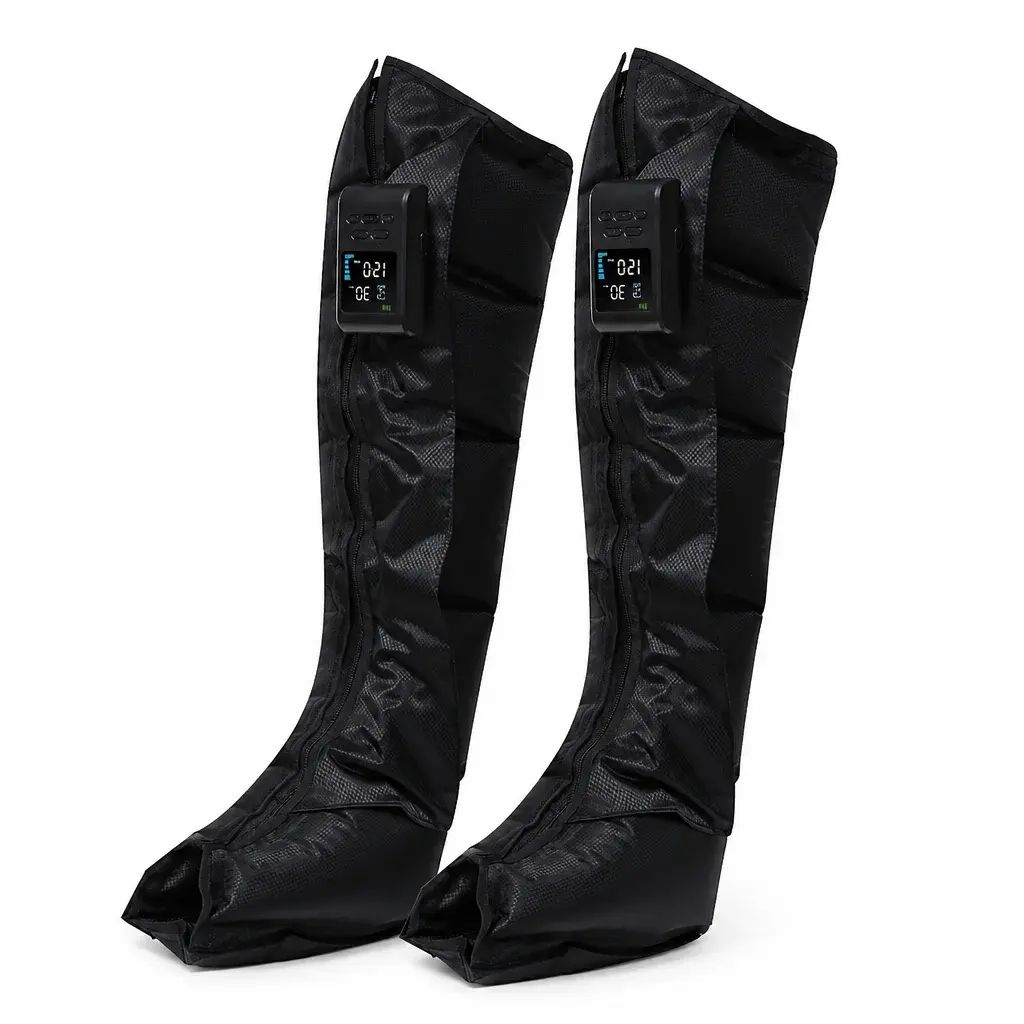
Sourcing knee massagers for wholesale can feel like a gamble until you know which boxes a supplier should actually tick. This checklist breaks down the non-negotiables—from consistent build quality and realistic lead times to clear communication—so you can build partnerships that hold up beyond the first order. If your current shortlist isn’t measuring up, it may be time to compare them against a manufacturer like XINGBU.
Before the First Order: Vetting a Knee Massager Exporter
A glossy showroom and a stack of certificates won't tell you whether the factory can hold tolerances on airbag pressure after the fifth production run. Ask for a live video walkthrough that shows the actual assembly line for knee massagers, not just the sample room. If the exporter hesitates to show the heating element vendor or the pump supplier, that hesitation is information.
Request a sample built to the destination market's voltage and plug standards, then open it up. Look for clean routing of wires around the hinge area, proper insulation on the heating pad connections, and a pump that doesn't sound like a coffee grinder. A factory that sends a sample with loose screws or mismatched stitching under the knee cradle probably won't improve once you've wired a deposit.
Before committing to a full container, place a small trial order with written limits on defects and late delivery. During that trial, ask the exporter to confirm which components are stock items and which are made to order. If they dodge questions about replacement parts or warranty handling, treat that as a preview of how disputes will go after payment.
Certifications and Paperwork Worth Confirming in Writing
Before you hand over a deposit or sign off on a renovation, ask for copies of the contractor's license, liability insurance, and any permits pulled for the job. A verbal promise that "everything's covered" means little when a worker gets injured on your property or a city inspector flags unapproved electrical work. Written proof shifts the burden back where it belongs—on the person doing the work—and gives you a paper trail if something goes sideways later.
The same habit applies to less obvious scenarios. If a used car dealer claims the vehicle passed a 120-point inspection, get that inspection sheet in hand before you drive off the lot. If a roofer says the shingles carry a 30-year warranty, ask for the manufacturer's documentation rather than the installer's word. Even a simple email confirming what was discussed beats a phone call that nobody remembers accurately six months down the line.
Don't overlook the paperwork that arrives after a service is completed either. Appliance repairs, home energy audits, HVAC maintenance—these often come with warranty registration cards or service reports that are easy to toss in a drawer and forget. Scan or photograph them, then store the files somewhere you can actually find them. When a claim or dispute arises, having the written record already in hand saves you from reconstructing conversations and hoping the other party remembers things your way.
Build Quality and Material Choices That Affect Longevity
Longevity rarely comes from a single feature. It shows up in the places you do not immediately see: the density of the foam under the upholstery, the way corners are reinforced, and whether the frame is joined with dowels and corner blocks rather than staples alone. A sofa built with kiln-dried hardwood and eight-way hand-tied springs tends to hold its shape years after a lighter frame begins to creak and sag.
Surface materials matter just as much, but they age differently by design. Full-grain or top-grain leather scratches and softens into a patina, while bonded leather can crack and flake within a season or two. For fabric, tightly woven performance weaves with a high rub count resist pilling and thinning. Even the stitching pattern tells you something: reinforced seams, matched thread, and straight, evenly spaced lines usually indicate the maker expected the piece to be used hard.
Hardware is another quiet factor. Corner braces, leveling feet, and metal brackets often outlast the wood around them when they are thick enough and properly seated. If a drawer glides on ball-bearing slides instead of bare wood tracks, that difference alone can add a decade of daily use. Together, these choices form a more reliable picture of lifespan than any brand promise.
What Customization Requests Reveal About a Partner
When someone asks for a custom tweak early on, the wording often matters more than the request itself. A partner who says “just make this one small exception” is usually telling you they already know the change is out of scope. A partner who buries a customization inside a long explanation of their internal process may be hoping you will absorb complexity without charging for it. Neither is necessarily a problem, but each tells you something about how they handle trade-offs.
Specificity arrives in different ways. One partner might send a precise spec with screenshots and edge cases before you ask; that usually signals an organized team or a previous bad experience with vague vendors. Another sends a one-line note like “we need it more flexible” and waits for you to interpret. The first type can be demanding but predictable. The second tends to cause rework later, not because they are difficult, but because they have not agreed internally on what “flexible” means.
Over time, these requests reveal the rhythm of the relationship. Partners who explain the business reason behind a change, and accept a timeline or cost adjustment, are treating you as a collaborator. Partners who fire off disconnected demands without context may be under pressure, disorganized, or simply using your queue as a parking lot for unresolved decisions. Reading those signals saves you from overinvesting in the wrong kind of flexibility.
Negotiating Shipping and Damage Terms Without the Fine Print Trap
Most buyers fixate on unit price and delivery dates while the real exposure hides in clauses that quietly redefine damage, shorten inspection windows, and shift risk once freight leaves the dock. Push for language that separates visible impact from concealed internal failure, and make the seller or carrier responsible for damage that appears after packaging is opened rather than only what a driver signs for at the curb.
Notification deadlines are where claims usually die. A clause demanding written notice with photos within forty-eight hours sounds routine but works like a waiver. Ask for at least ten business days for initial inspection and a longer tail for latent defects, and tie final acceptance to operational testing rather than delivery signatures. Keep the right to withhold a portion of payment until that window closes.
If the supplier insists on standard carrier terms, counter with practical remedies instead of fighting the whole boilerplate. Require replacement or repair costs to be deducted from outstanding invoices, and prohibit restocking fees on damaged returns. When a carrier blames inadequate packaging, make them produce pre-shipment inspection records rather than relying on a line that says the buyer accepted packing as sufficient.
After-Sales Support and Spare Parts Availability as a Trust Signal
For anyone running production equipment, downtime is the real cost that keeps them awake at night. A supplier that offers fast access to repair technicians and keeps critical spare parts in local stock is making a quieter, more credible promise than a glossy brochure ever could. That operational readiness tells a buyer the manufacturer is prepared to stand behind the machine long after the initial invoice has been paid.
Spare parts availability reveals how seriously a company treats the full life of its products. When a commonly worn component can be sourced within days instead of weeks, or when older models still have replacement paths and refurbishment options, the message is clear: the relationship does not end at the point of sale. It signals that the manufacturer has planned for wear, failure and repair rather than treating the equipment as a disposable item.
The same trust is built through transparent after-sales systems. Straightforward service agreements, traceable maintenance histories and published part numbers remove the guesswork from ownership. Customers are far more willing to commit to a brand that acknowledges components will eventually fail and has already built a practical route back to operation.
FAQ
Start with their actual manufacturing capability instead of just their catalog. Ask for a recent factory audit, the number of production lines dedicated to knee massagers, and whether key components like air pumps, heating elements, and control boards are made in-house or outsourced. A supplier that can walk you through their production floor layout and daily output per SKU usually has stronger control over lead times.
That depends on your target market, but you will almost always need CE for Europe, FDA listing for the US if there are medical claims, and RoHS/REACH for materials. For battery models, UN38.3 is non-negotiable, and if you sell on marketplaces you may need IEC 60335-1 or UL 1647 depending on the product's classification. Ask for valid certificates with the exporter's legal name matching the invoice.
Request a pre-production sample, then a top-of-production sample before the full run. Better, commission a third-party inspection at inline and pre-shipment stages. Have the exporter share a detailed QC checklist with tolerance limits for heat output, massage intensity, noise level, and battery runtime. If they hesitate to share failure rate data or rework logs, treat that as a warning.
Watch out for exporters who immediately promise very low MOQs with no tooling or setup fee, then later charge for custom packaging or software tweaks. Also be wary if certificates are under a different company name, if the contact cannot explain how the airbag pressure is calibrated, or if the pricing drops sharply after you mention a competitor. Reliability shows in consistency, not one-time discounts.
It should define the scope: heat temperature range, massage modes, airbag layout, battery capacity, and whether the firmware can be changed later. Include a written spec sheet with reference photos, testing criteria, packaging requirements, and an approval sample sealed by both sides. Payment terms should be tied to milestones like sample approval, material readiness, production completion, and inspection release.
Ask how they handle warranty claims, what spare parts are stocked, and what the typical replacement lead time is. A reliable exporter will offer a clear warranty rate, for example accepting a defect rate below 1-2 percent, and will provide troubleshooting guides, replacement units, or repair parts without requiring you to return the entire shipment. Check if they have a dedicated after-sales contact rather than the salesperson handling every case.
Not always a simple either/or. A factory often gives you better control over production changes and cost, but a trading company with a strong engineering team can help you consolidate multiple product categories and manage quality if they have long-term factory relationships. The key is to ask who owns the tooling, who handles QC, and who is legally responsible when a batch fails inspection.
Conclusion
A knee massager shipment only stays profitable if the factory behind it has been examined before money changes hands. Instead of relying on glossy catalogs, buyers should request a live walkthrough of the production floor, ask about the specific motors and heating elements used in the units, and confirm whether the exporter holds current electrical safety certifications that match the destination market. Written confirmation matters more than a verbal promise; certificates, test reports, and material specifications should be attached to the quotation so there is a clear reference if a dispute arises later. Longevity often comes down to less obvious choices like the thickness of the air hose, the stitching around the knee wrap, and whether the control panel is sealed against moisture. Suppliers that openly explain these details tend to cause fewer warranty headaches than those that only talk about price.
Customization requests are useful tests. A partner that asks about voltage, plug type, color, packaging weight limits, and end-user instructions is thinking about real wholesale distribution, not just moving containers. Shipping and damage terms need equal attention. Rather than accepting a vague “we will support you” line, get the exact process for concealed damage claims, replacement lead times, and who pays return freight. Finally, after-sales support is often the clearest trust signal. If a factory keeps common spare parts like control boards, air pumps, and power adapters in stock and can ship them within a reasonable window, they are likely built for repeat business. A supplier that resists discussing spare parts before the first order is rarely a reliable long-term partner.
Contact Us
Contact Person: Hannah
Email: [email protected]
Tel/WhatsApp: +86 18266954198
Website: https://www.okmassager.com/