

Innovative High-Voltage Switchgear Solutions: Driving Efficiency and Safety in China's Power Grid Infrastructure
2025-12-24
As China's power grid infrastructure evolves to meet growing demands, the need for reliable, high-voltage switchgear solutions has never been more critical. Introducing innovative approaches that boost efficiency and safety is key to supporting this expansion. In this landscape, Lugao stands out by offering cutting-edge technologies designed to transform how power systems operate. Our latest blog explores how advanced switchgear not only enhances grid performance but also paves the way for a more sustainable and secure energy future. Stay tuned as we delve into the features and benefits that set these solutions apart, ensuring your interest is piqued for what lies ahead.
Introduction to High-Voltage Switchgear Advancements in China's Power Sector
In recent years, China's power sector has witnessed a whirlwind of innovation in high-voltage switchgear, driven by the nation's rapid electrification and ambitious renewable energy targets. Gone are the days when bulky, manually operated units dominated substations; today, engineers are deploying compact, gas-insulated designs that drastically cut down on space requirements while boosting reliability. This shift isn't just about hardware—it's a strategic move to meet soaring electricity demands, particularly from the bustling eastern coastal regions, where urban sprawl and industrial hubs test the limits of legacy grids. With utilities under pressure to minimize outages, these advancements are becoming the backbone of a more resilient power network, silently underpinning everything from high-speed rail lines to sprawling data centers.
Delving deeper, the push for smarter switchgear has led to a surge in integrated digital monitoring systems. Rather than relying on periodic inspections, operators now use real-time sensors and AI algorithms to predict failures before they occur, slashing maintenance costs by up to 30% in pilot projects. What sets China apart is the seamless fusion of these technologies with homegrown standards, like the GB/T specifications, fostering a unique ecosystem where domestic manufacturers lead the charge. From the wind-swept plains of Inner Mongolia to the hydro-rich Yangtze basin, this tailored approach ensures equipment thrives in diverse, often harsh environments, reducing dependency on imported components and cementing China's role as a global innovator in grid resilience.
Looking ahead, the trajectory points toward eco-friendly materials and ultra-high-voltage applications. Recent breakthroughs in sulfur hexafluoride alternatives are gaining traction, addressing long-standing environmental concerns without compromising performance. On the frontier, experimental switchgear for 1,100 kV lines—some of the world's highest—promises to slash transmission losses across vast distances, a key enabler for China's west-to-east power transfer strategy. This isn't mere incremental progress; it's a reimagining of switchgear as a dynamic, adaptive node in a grid that must balance coal phase-outs with solar and wind surges. As international partnerships expand, these advancements ripple beyond borders, offering blueprints for emerging economies grappling with similar energy transitions.
Key Technological Innovations Enhancing Grid Efficiency
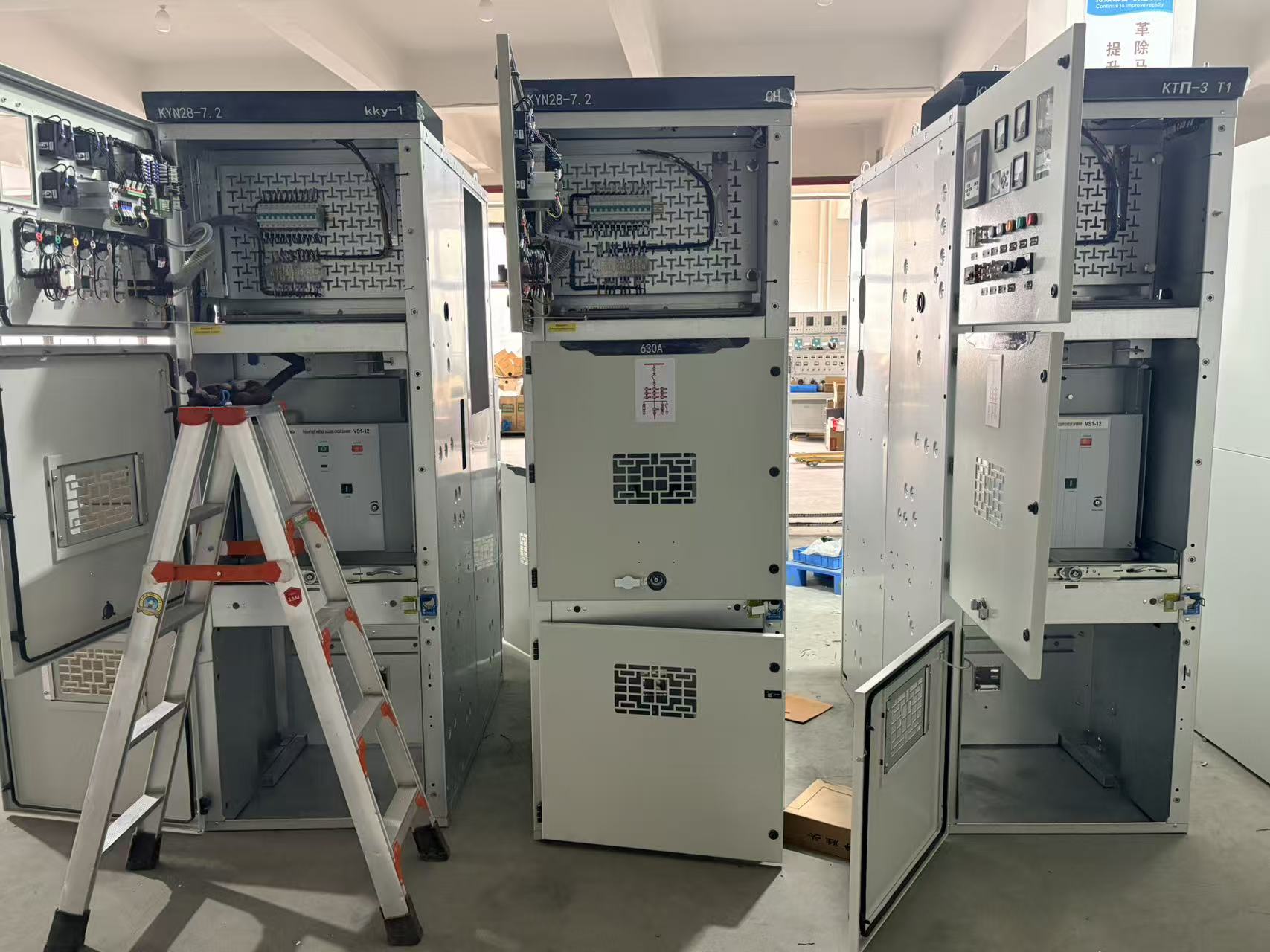
One groundbreaking innovation that's transforming grid operations is the integration of advanced sensors and Internet of Things (IoT) devices. These smart sensors continuously monitor voltage levels, line temperatures, and power flows in real-time, allowing operators to pinpoint inefficiencies or potential failures before they escalate into major outages. This proactive approach not only reduces downtime but also optimizes energy distribution, ensuring electricity reaches consumers with minimal losses.
Artificial intelligence and machine learning algorithms are redefining how grids manage demand and supply fluctuations. By analyzing vast amounts of historical and live data, these systems predict peak usage periods and adjust generation from renewable sources like solar and wind accordingly. This intelligent balancing act prevents overloading and enhances the grid's resilience against sudden changes, making energy distribution smoother and more reliable than ever before.
Another key innovation is the development of advanced energy storage solutions, such as next-generation batteries and flow storage systems. These technologies store excess energy during low-demand periods and release it during high-demand spikes, effectively smoothing out the grid's load curve. This reduces reliance on costly peaker plants and maximizes the utilization of clean energy, pushing overall efficiency to new heights while supporting sustainable power practices.
Safety Features and Risk Mitigation in Modern Switchgear Systems
Modern switchgear systems incorporate advanced safety mechanisms to protect both equipment and personnel from electrical hazards. Key features include arc-resistant enclosures that contain and redirect explosive arcs, reducing the risk of fire and injury. These designs often comply with international standards like IEC 62271-200, ensuring reliable performance under fault conditions. Additionally, integrated insulation materials and robust construction help prevent accidental contact with live parts, enhancing overall operational safety in industrial and utility settings.
Risk mitigation strategies focus on proactive monitoring and rapid response capabilities. For instance, digital protection relays and sensors continuously track parameters such as temperature, current, and voltage, enabling early detection of anomalies that could lead to failures. By leveraging real-time data analytics, these systems can trigger automatic shutdowns or alarms before faults escalate, minimizing downtime and costly repairs. This predictive approach not only safeguards infrastructure but also supports compliance with safety regulations in dynamic environments like data centers or renewable energy plants.
Innovations like fault location technology and remote operation further elevate safety standards. With pinpoint accuracy, modern switchgear can isolate faults to specific sections, preventing widespread outages and facilitating quicker maintenance. Remote monitoring tools allow operators to manage systems from safe distances, reducing exposure to high-voltage areas. Together, these features create a comprehensive safety ecosystem that adapts to evolving electrical demands while prioritizing human well-being and asset integrity.
Case Studies: Real-World Applications in China's Infrastructure
China's infrastructure boom is not just about grand projects, but also about tangible, everyday impacts that transform communities. For instance, the construction of the Hong Kong-Zhuhai-Macao Bridge has not only connected three major cities but also spurred regional economic integration, reducing travel time from hours to minutes and boosting tourism and trade. This megastructure showcases how China leverages engineering prowess to solve logistical challenges, while emphasizing environmental sustainability through careful planning to protect marine ecosystems.
Another compelling example is the extensive high-speed rail network, which has revolutionized domestic transportation by linking remote regions to urban hubs. In cities like Chengdu and Xi'an, these rail lines have facilitated faster commutes and stimulated local economies by attracting businesses and tourists. By prioritizing efficiency and accessibility, China's rail projects demonstrate a commitment to reducing carbon footprints while enhancing connectivity, setting a benchmark for other developing nations.
Beyond transportation, smart city initiatives in Shenzhen illustrate how infrastructure integrates technology to improve urban living. Through the deployment of IoT sensors and data analytics, the city manages traffic flow, optimizes energy use, and enhances public safety. This approach not only addresses congestion and pollution but also fosters innovation hubs, making Shenzhen a model for how digital and physical infrastructure can coalesce to create smarter, more resilient communities.
Environmental and Economic Benefits of Upgraded Switchgear Solutions
Upgraded switchgear solutions offer substantial environmental advantages by incorporating advanced materials and designs that minimize energy losses during power transmission. For instance, modern vacuum or gas-insulated switchgear reduces reliance on SF6 gas, a potent greenhouse gas, thereby cutting direct emissions. Additionally, these systems enhance overall grid efficiency, leading to lower operational energy consumption and a reduced carbon footprint. By enabling better integration of renewable energy sources like solar and wind, they support cleaner power generation, contributing to sustainability goals without compromising reliability.
Economically, upgraded switchgear delivers long-term cost savings through improved operational efficiency and reduced maintenance needs. With features like remote monitoring and predictive analytics, companies can preemptively address issues, avoiding costly downtime and extending equipment lifespan. This proactive approach lowers total cost of ownership by cutting repair expenses and energy bills. Moreover, such investments often qualify for government incentives or green certifications, providing financial returns while aligning with corporate social responsibility initiatives, making them a smart choice for forward-thinking businesses.
Beyond immediate benefits, these solutions foster innovation and competitiveness in the energy sector. As industries shift towards smart grids and digitalization, upgraded switchgear enhances flexibility and resilience, allowing organizations to adapt to changing market demands. This positions companies to lead in sustainability efforts while boosting their economic performance through optimized resource use and enhanced stakeholder trust, creating a win-win scenario for both the planet and the bottom line.
Future Trends and Policy Support for Sustainable Grid Development
Looking ahead, the grid is transforming into a dynamic, interconnected system where decarbonization and decentralization take center stage. Key trends include the rapid integration of renewable energy sources like solar and wind, which are becoming cost-competitive and scalable. However, this shift introduces challenges such as intermittency and grid stability, driving innovations in energy storage solutions like advanced batteries and hydrogen technologies. Additionally, smart grids equipped with IoT sensors and AI-driven analytics are enabling real-time monitoring and optimization, enhancing efficiency and resilience against climate-related disruptions. This evolution isn't just technological; it's reshaping how communities and businesses interact with energy, fostering a more participatory and flexible energy ecosystem.
Policy support plays a critical role in accelerating these sustainable trends by creating frameworks that incentivize investment and innovation. Governments are implementing regulations and subsidies to promote clean energy adoption, such as tax credits for renewables and mandates for grid modernization. For example, policies encouraging distributed energy resources and microgrids empower local resilience and reduce dependence on centralized systems. International collaborations, like climate agreements and cross-border energy-sharing initiatives, further amplify impact by standardizing practices and pooling resources. Without robust policy backing, technological advancements might stall, highlighting the need for adaptive governance that balances environmental goals with economic feasibility and social equity in grid development.
To stand out in this evolving landscape, stakeholders are focusing on holistic approaches that integrate sustainability with digital transformation. Unlike generic discussions, this involves customizing strategies to regional contexts, such as leveraging hydropower in mountainous areas or offshore wind in coastal regions. Emerging trends like vehicle-to-grid technology and blockchain for energy trading add unique angles, fostering peer-to-peer markets and enhancing grid flexibility. By prioritizing policy frameworks that support these innovations, the grid can transition from a passive infrastructure to an active enabler of a low-carbon future, ensuring that sustainability isn't just a trend but a resilient, long-term foundation for global energy systems.
FAQ
These solutions typically incorporate advanced materials and smart monitoring systems that reduce energy losses and optimize power flow, making grids more responsive to demand fluctuations.
By integrating fault-detection technologies and automated isolation mechanisms, they minimize the risk of electrical accidents and ensure rapid response to potential hazards, protecting both equipment and personnel.
Challenges include aging infrastructure, high energy demand growth, and the need for reliability in diverse geographical conditions; these innovations help modernize grids to handle these stresses more effectively.
Solid-insulated switchgear is one example, using non-toxic, durable materials to enhance insulation and reduce maintenance requirements compared to traditional oil-based systems.
It often reduces costs through lower energy wastage, decreased downtime due to predictive maintenance, and longer equipment lifespans, leading to better financial sustainability.
They facilitate smoother integration of renewables by providing flexible control and stability, ensuring that intermittent sources like solar and wind can be reliably connected to the grid.
Conclusion
The evolution of China's power grid infrastructure is significantly propelled by innovative high-voltage switchgear solutions, which encompass advancements in technology, safety, and environmental sustainability. These systems enhance grid efficiency through key innovations such as intelligent monitoring and automation, enabling real-time data analysis and optimized power distribution. Additionally, modern switchgear integrates robust safety features like advanced arc fault protection and fire-resistant materials, mitigating risks and ensuring reliable operations in high-voltage environments. Case studies from across China demonstrate the practical applications of these upgrades, showcasing their role in improving energy transmission and reducing downtime, thereby supporting the nation's growing infrastructure demands.
Beyond technical improvements, these solutions offer substantial environmental and economic benefits by reducing energy losses and minimizing carbon footprints, aligning with global sustainability goals. Future trends point towards increased digitization and policy support, such as government incentives and international collaborations, fostering sustainable grid development. By driving both efficiency and safety, innovative switchgear not only fortifies China's power security but also sets a benchmark for global energy systems, highlighting a commitment to resilient and eco-friendly infrastructure that adapts to evolving technological landscapes.
Contact Us
Contact Person: Doreen
Email: [email protected]
Tel/WhatsApp: 8618057712366
Website: https://www.liugaopower.com/