
How to Choose the Right RPET Bag Supplier for Your Eco-Conscious Business
2026-08-07
Finding a reliable supplier for RPET bags can feel like navigating a maze of green claims and quality compromises. If your business truly prioritizes sustainability, the choice of partner matters more than ever. Enter CHALLENGE WOLVES—a brand that cuts through the noise with a proven track record in crafting durable, eco-friendly bags. In this guide, we’ll unpack the key factors to consider, so you can align with a supplier that reflects your values and meets your standards.
Look Beyond the Label: How to Spot Authentic RPET Production
A label that reads 'made from recycled plastic' can be tempting, but it rarely tells the whole story. Many manufacturers slap on eco-friendly claims without backing them up with verifiable processes. The first step in cutting through the noise is to look for specific, globally recognized certifications like GRS (Global Recycled Standard) or RCS (Recycled Claim Standard). These aren't just stickers; they demand third-party audits of the entire supply chain, from the collection of post-consumer bottles to the final fabric. If a brand is vague about which certification body verified their material, or if the certificate seems outdated or non-specific, treat it as a red flag. Authentic RPET production leaves a paper trail that's easy to follow—anything less is just marketing.
Beyond paperwork, dig into the transparency of the supply chain itself. True RPET producers can usually trace their feedstock back to specific recycling facilities and even regions. Ask where the bottles were collected and how they were processed into chips or fiber. A trustworthy supplier will provide details about their pelletizing or spinning processes without hesitation. Beware of generic answers like 'we source globally' without concrete evidence. The most reliable RPET operations often invest in chemical recycling or advanced sorting technologies that preserve material purity, which is a stark contrast to simple mechanical downcycling that degrades quality over time. If the production line can't be articulated clearly, the recycled claim likely carries little weight.
Finally, pay attention to the material itself. Authentic recycled polyester tends to have slight variations in texture or color when compared to virgin plastic, especially in early production runs. This isn't a flaw—it's a fingerprint of genuine post-consumer content. Handling the fabric can reveal a lot: overly consistent, flawless sheets are sometimes a sign of virgin additives or false claims. Also, notice how a company communicates about their environmental efforts. Those deeply invested in authentic RPET speak about challenges like contamination, color consistency, and supply scarcity with nuance, not just glossy promises. A brand that only boasts about how many bottles they've saved without addressing real-world production hurdles might be shielding you from the less convenient truths.
The Quality Check: Making Sure Your Bags Won’t Fall Apart (or Greenwash)
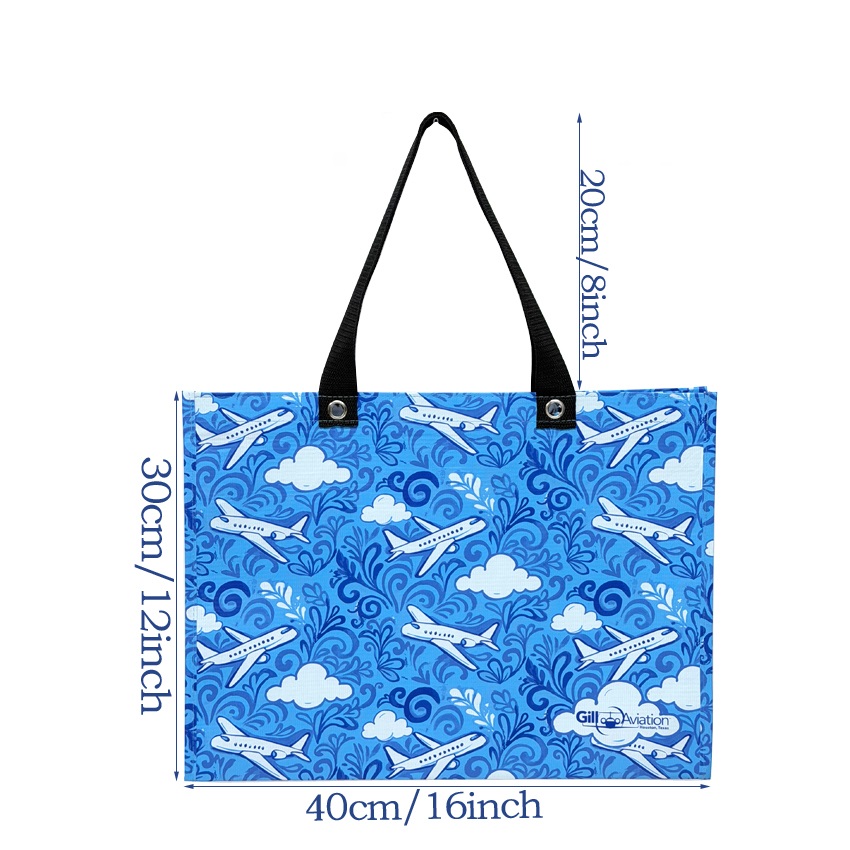
Before you commit to a bag, give it a thorough once-over. Grab the handles and give them a gentle tug—any loose stitching here is a red flag. Run your fingers along the seams, especially where straps meet the body. A well-made bag will have even, tight stitches with no frayed threads. Don't ignore the hardware: zippers should glide smoothly without catching, and buckles need to feel solid, not flimsy. These small details tell you a lot about whether the bag will survive daily use or start falling apart after a few weeks.
Now, let's talk about the lining. A cheap, thin polyester interior that snags easily is a telltale sign of cutting corners. Tug it lightly—does it feel anchored or does it pull away? Also, check for reinforced stress points. In backpacks and totes, the bottom corners take a beating, so they should have double stitching or extra fabric. If the bag has a waterproof claim, inspect sealed zippers and taped seams; if they look poorly executed, that “waterproof” label might be mostly hot air.
Finally, keep an eye out for greenwashing. Materials like “vegan leather” often end up being plastic-based, which is far from eco-friendly. If a brand brags about being sustainable but can't back it up with specific certifications or detailed sourcing info, be skeptical. A genuine commitment to quality and the environment shows in the construction: natural, durable materials that age well and are repairable. A bag that's built to last is the real sustainable choice.
Designing with Purpose: Custom Features That Align with Your Values
Every choice we make in a design carries weight—it's not just about what looks good or what's trendy. When a feature is truly intentional, it begins to speak your language. Maybe that's a natural material that ages gracefully, or a layout that quietly encourages connection. These details aren't accidents; they're mirrors of what you hold dear.
Customization isn't a luxury checkbox—it's your voice in physical form. If privacy matters deeply, a space might shift from open to intimate in seconds. If community is your anchor, the design might invite gathering without a single word. These aren't compromises; they're deliberate translations of your priorities into something you can touch and use daily.
Working with makers who listen before they sketch changes everything. The process becomes a conversation, where your values aren't an afterthought but the starting line. The result isn't just a product or a room—it's a quiet manifesto. And every time you interact with it, there's this subtle recognition: this is me, just the way I intended.
Price vs. Planet: Striking the Right Balance Without Sacrificing Ethics
Balancing cost and sustainability often feels like a tug-of-war, but it doesn't have to be a zero-sum game. Many assume that ethical choices inevitably come with a higher price tag, yet a growing number of brands are proving otherwise. They're rethinking supply chains, embracing circular design, and investing in materials that are both durable and responsibly sourced—without passing excessive costs onto the consumer. The real challenge lies in educating shoppers about long-term value rather than just upfront expense, shifting the narrative from “cheap now” to “cost-effective over time.”
One way companies are striking this balance is by prioritizing transparency and traceability. When you know exactly where your shirt's fabric came from or how your coffee beans were grown, the price feels less like a premium and more like a fair trade. This transparency builds trust, and that trust translates into customer loyalty that outlasts fleeting trends. It's not about being the cheapest option on the shelf—it's about offering a product that makes people feel good about their purchase, both in quality and conscience.
Ultimately, it's a matter of perspective. Instead of viewing ethical production as a burden, forward-thinking businesses treat it as an innovation driver. Streamlining energy use, reducing waste, and supporting fair wages can actually lower operational costs in the long run. By weaving these principles into everyday decision-making, companies demonstrate that you don't have to choose between your wallet and your values. The sweet spot exists when ethics become integral to the business model, not just a marketing afterthought.
Logistics with Less Footprint: Evaluating Shipping and Packaging Practices
Rethinking how goods reach their destination starts with a close look at transportation networks. Even minor route adjustments can trim fuel use significantly, but the real shift comes from consolidating shipments and choosing lower-emission modes like rail or barge over air freight. Some companies are experimenting with cargo bikes for last-mile urban delivery, turning a congested curb into a nimble, zero-tailpipe operation. These moves aren't just about carbon math—they often cut costs and speed up delivery in unexpected ways.
Packaging often escapes scrutiny because it's fleeting—torn open and discarded within seconds. Yet its footprint lingers. Lightweighting materials, swapping plastics for molded fiber, and designing for right-size boxes that leave out the filler can slash both waste and shipping weight. A quieter innovation is reusable packaging systems that loop back to the sender, reminiscent of milkman models long abandoned. When done thoughtfully, reducing packaging isn't a sacrifice in protection; it becomes a smarter use of resources that customers genuinely notice.
Future-Proofing Your Choice: Finding a Supplier Who Grows with You
A supplier that merely meets your current specifications can quickly become a bottleneck when demand spikes or your product line expands. Instead of scrambling to onboard new partners later, prioritize those who demonstrate scalability from day one—whether through flexible production capacity, a track record of adapting to clients’ evolving needs, or a genuine willingness to co-invest in process improvements. The right partner doesn’t just take orders; they anticipate where your business is heading and align their capabilities accordingly, turning supply chain management from a reactive chore into a shared strategic advantage.
Long-term compatibility hinges on more than just technical fit. Look for a supplier whose communication style, transparency around challenges, and problem-solving mindset match your own operational culture. A partner who quietly upgrades their equipment to reduce lead times, proactively suggests material alternatives when shortages loom, or simply picks up the phone to flag a potential delay before it escalates—these behaviors reveal an ingrained commitment to your success that no contract can enforce. Over time, this mutual trust and openness becomes the foundation for weathering disruptions and seizing new opportunities together.
Ultimately, future-proofing means betting on a relationship, not a transaction. The best suppliers actively participate in your roadmap discussions, bringing insights from their side of the industry that can sharpen your competitive edge. They treat your growth as their own, dedicating resources to learn your processes, understand your end customers, and even challenge your assumptions when they spot a better way. Choosing such a partner transforms the vendor-client dynamic into a resilient, forward-moving alliance—one that not only supports your current targets but also helps you define the next ones.
FAQ
Check the fabric's texture and durability—real RPET should feel consistent and not flimsy. Ask for product samples so you can test stitching strength, zipper smoothness, and print clarity. A reliable supplier won't hesitate to send samples or share lab testing reports.
Request third-party certifications like GRS (Global Recycled Standard) or OEKO-TEX. Authentic suppliers will provide valid certificates and let you trace the recycled material back to its source. If they can't show proof, it's a red flag.
Inquire about their design capabilities—can they work with your artwork, offer different printing methods (screen, digital, embossing), and adjust dimensions? Also ask about the number of color options and whether they provide a pre-production sample for approval.
It depends on material weight, bag complexity, and order volume. Get a detailed quote breaking down unit price, setup fees, and shipping. Be wary of prices that seem too low—they might cut corners on material quality or ethical production.
Most factories have an MOQ between 500 and 1,000 pieces per design, but some smaller studios are flexible. If you need a very low quantity, look for suppliers that specialize in small batches, though the per-unit cost may be higher.
Expect 4 to 8 weeks from design approval to delivery, depending on complexity and the supplier's production schedule. Always build in a buffer for potential delays, and confirm if they offer express services for an extra fee.
Ask about their factory’s working conditions, overtime policies, and if they have a code of conduct. A good supplier will be transparent and might even invite you for a virtual or in-person tour. Check for any visible audit reports like Sedex or BSCI.
Conclusion
Selecting a genuine RPET bag supplier goes far beyond a quick label check. True eco-consciousness means demanding full transparency: insist on traceable supply chains and third-party certifications like GRS that confirm the recycled content actually came from post-consumer bottles. Visit facilities if possible, or ask for detailed process documentation—real RPET production involves distinct steps from flake washing to melt-spinning, and vague answers are a red flag. Quality shouldn’t be sacrificed for sustainability; request wear-testing reports, seam-strength data, and material durability proofs to ensure the bags withstand real-world use without becoming a greenwashed gimmick.
Beyond the product, evaluate how the supplier aligns with your broader values. Customization should extend into ethical design—options like non-toxic dyes, minimal-waste pattern cutting, and modular hardware for repairability all reinforce your brand’s mission. Balancing cost with principles means looking past unit price to total lifecycle impact: a slightly pricier bag from a supplier that powers production with renewables or offers carbon-neutral shipping often yields stronger brand loyalty and avoids hidden reputational risks. Finally, choose a partner who thinks ahead—one investing in bio-based blends, closed-loop take-back programs, or packaging-free deliveries. A supplier that evolves with you ensures your eco-conscious business stays ahead of the curve, not just on it.
Contact Us
Contact Person: Tony
Email: [email protected]
Tel/WhatsApp: +8615859766913
Website: https://www.cw-pak.com