

High Quality Thunderbolts Costume Options to Elevate Your Next Cosplay
2026-11-16
When it comes to nailing the Thunderbolts look, settling for cheap fabric and sloppy stitching just won’t cut it. The right costume doesn’t just dress you up—it transforms how you move, pose, and own the character. That’s why we’re diving into high-quality Thunderbolts costume options that balance screen-accurate details with real-world comfort. Whether you’re gearing up for a convention or a photo shoot, these picks from CCosplay will have you ready to step into the antihero spotlight and stay there.
Screen-Accurate Thunderbolts Fabrics That Won’t Shine Under Flash Photography
Many ready-made costume fabrics have a subtle sheen that turns into a harsh glare once a camera flash goes off. For Thunderbolts-style tactical gear, that's a dealbreaker. You want materials with a naturally low reflectance, like heavyweight cotton twill, brushed cotton-poly blends, or matte-finished ripstop nylon. These read as flat and utilitarian on camera, which matches the worn, no-nonsense look of the on-screen suits far better than shiny costume satin or cheap polyester.
Pay attention to the surface texture, not just the fiber content. A cotton twill with a visible diagonal weave will scatter light more evenly than a smooth plain weave, so it won't produce a hot spot under flash. If you are using a synthetic fabric for stretch or durability, look for versions labeled "military matte" or "tactical" and avoid anything with a glossy coating. You can also knock down residual shine by lightly sanding the surface with fine-grit sandpaper and then washing the fabric with a small amount of fabric softener or a dedicated matte finish spray.
Before committing to a full costume, always test your fabric under the exact lighting conditions you'll encounter. Take a sample piece, set your camera flash to its brightest setting, and shoot it straight on. If you see any bright white reflections or a plastic-like glint, the fabric will ruin your photos. The best screen-accurate choices will look almost the same with flash on or off, with only a slight softening of shadows and no change in the surface glow.
Why Yelena’s Vest Needs a Tailored Fit Instead of a Standard Size
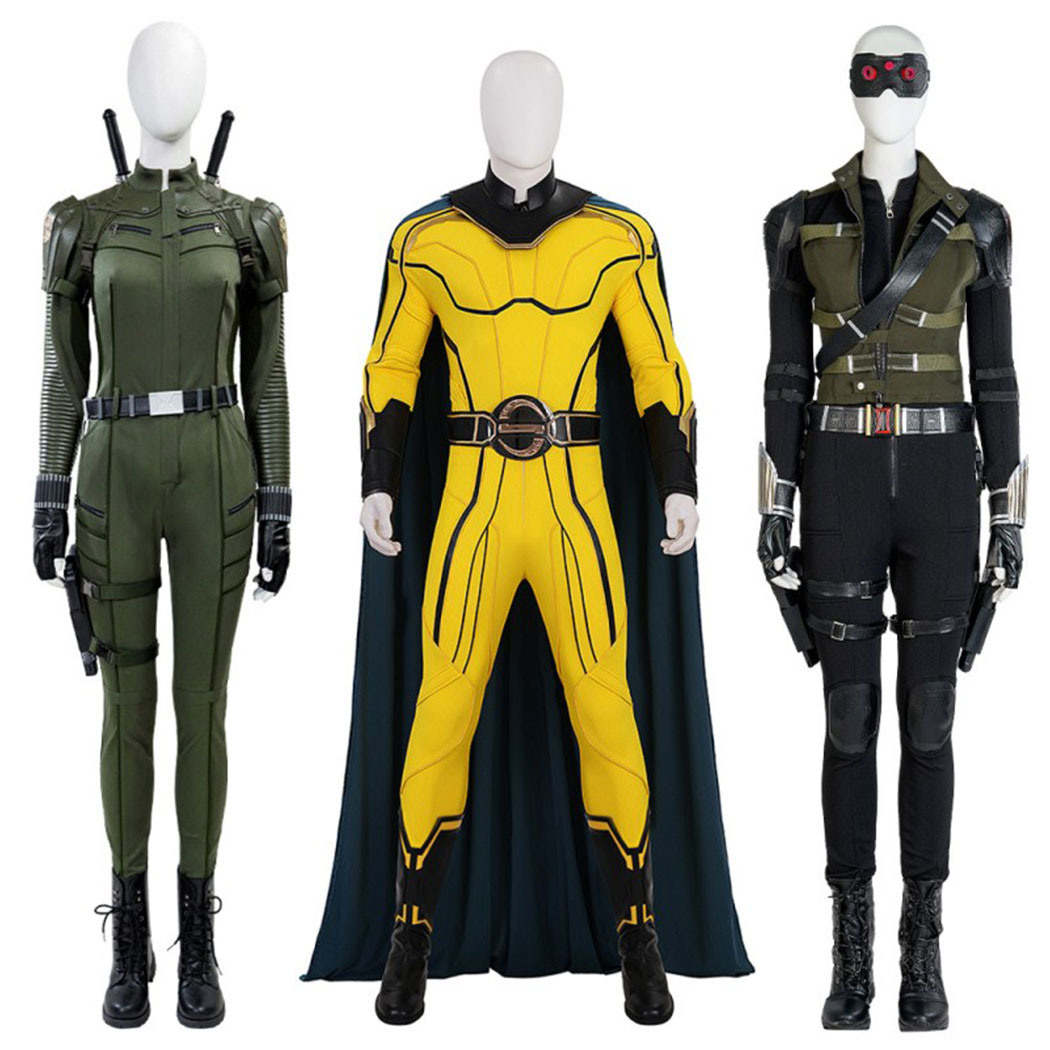
Yelena’s vest sits close to the torso but still has to move with her through combat, climbing, and quick directional shifts. A standard off-the-rack size assumes a static chest and waist ratio, which leads to pulling across the shoulders or loose fabric bunching at the lower back the moment she raises an arm. Tailoring the vest instead follows the actual slope of her shoulders and the taper from ribcage to waist, so the front panels stay flat without restricting reach. That kind of fit also keeps the side zip from buckling, which becomes obvious after an hour of wear if the garment only matches a generic size chart.
Beyond mobility, a tailored vest removes the visual noise that standard sizes often create. If the hem rides up or the armholes gap, the whole silhouette loses the clean, deliberate lines the character is known for. By adjusting the length to hit just below the natural waist and narrowing the back panel slightly, the vest reads as intentional rather than borrowed. It also allows for thin base layers underneath without adding bulk, which matters when the look depends on a sharp, uncluttered profile. In short, the vest should fit like it was made for her frame, not for a range of body types that average out her proportions.
Bucky’s Metal Arm: Balancing Comfort and Visual Impact for Long Con Days
Wearing a full metal arm for eight-plus hours sounds like a badge of honor until your shoulder starts screaming and the plating digs into your forearm. The trick isn't just making it look good up close—it's building it so you can still lift a badge, wave at fans, and survive a crowded vendor hall without wanting to rip it off. Start with a base layer that breathes, like a thin athletic sleeve or moisture-wicking compression shirt, and attach the arm segments to that rather than directly to your skin. This lets you slide the whole assembly on and off in one piece, which matters more than you'd think by hour six.
Weight distribution matters more than total weight. A cast resin or 3D-printed arm can still feel heavy if all the mass hangs from one wrist strap. Instead, anchor the shoulder bell and upper arm section to a chest harness or a well-padded shoulder strap, then let the lower arm pieces rest on an internal elastic sleeve. Use foam padding only where it actually touches bone—elbow, wrist, inner forearm—and leave gaps elsewhere so air can move. If you want the metallic sheen without the heat, cold casting with aluminum powder or using a thin metallic vinyl wrap over EVA foam keeps the look sharp while staying much lighter than actual metal.
For long con days, plan for tiny adjustments rather than one perfect fit. Bring a small repair kit: extra Velcro, a strip of moleskin, and a mini screwdriver for any loose joints. Test the full range of motion before the con—raise your arm over your head, reach for a phone in your back pocket, bend at the elbow while holding a prop. If anything pinches or restricts, that's where the day will fall apart. A slightly looser lower arm with a hidden elastic cord can keep the silhouette tight while giving your hand enough freedom to sign autographs without cramping. The best compliment isn't just 'cool arm,' it's 'how are you still wearing that at 5 p.m.?'
Red Guardian’s Belt and Holster: Real Leather vs. High-Grade Faux Options
A real leather Red Guardian belt starts stiff and carries a workshop smell, but after a few wears it softens into the exact curve of your waist. The holster flap holds its shape under the weight of a replica sidearm, and scratches from convention tables or door frames just blend into the worn finish. You will need to condition it now and then, especially if you sweat through a summer parade, but that upkeep is part of the trade-off for a piece that feels grounded in the character’s Soviet military past.
High-grade faux leather skips the break-in period entirely. Modern polyurethane blends mimic the grain well enough that most people won’t notice from arm’s length, and the belt stays flat against your tunic instead of curling at the edges after storage. It also shrugs off rain, spilled drinks, and sunscreen, which makes it the lower-maintenance choice for repeated con wear. The main drawback is breathability—faux doesn’t absorb moisture, so hot outdoor shoots can get clammy under the harness.
Neither option is clearly better for every wearer. If you plan to use the belt and holster for photo shoots or a single film-accurate display, real leather’s weight and natural creases sell the look. If you costume regularly, travel with your gear, or want to keep costs down without a visible drop in quality, a high-grade faux will serve you longer with less fuss. Check the strap thickness and buckle finish either way—those small details change the silhouette more than the material label does.
Ghost’s Suit: The Right Fabric Weight to Mimic a Phasing Effect
Getting the phasing effect right starts with understanding how fabric weight changes the way light and movement interact. A ghost suit that reads as solid never convinces anyone, so skip the heavy cotton twills or stiff brocades. Instead, aim for materials in the 3 to 6 ounce per square yard range—think silk georgette, rayon challis, or a fine cotton voile. These weights hold a soft drape, letting the body show through in glimpses while still giving the costume enough presence to avoid looking like a cheap Halloween store sheet.
Layering is where fabric weight really earns its keep. Use a slightly more substantial base, around 5 to 6 ounces, to create a faint silhouette without becoming opaque. Over that, float a lighter layer of 2 to 3 ounce chiffon or nylon tulle. The contrast between the two weights creates a subtle blur at the edges, which mimics the way a phasing figure would appear to lose definition. Avoid anything with a tight weave or a shiny finish—those reflect light too evenly and pull the eye back to solidity.
When you test the suit, watch how it behaves in low light rather than under bright overheads. The right weight should let you read the shape of an arm or leg for a second, then dissolve into shadow as the fabric shifts. Hemming matters more than people expect: a heavy folded hem on a 3 ounce fabric will weigh down the edges and kill the float. Use a narrow rolled hem or a raw edge with a fray stop instead. If the costume feels too ghostly—barely there—add one more layer of the lighter fabric rather than switching to a heavier one, because added weight tends to flatten the movement and make the whole thing look more like a curtain than a specter.
US Agent Costume Upgrades: Adding Structure to Shoulders Without Bulk
The new shoulder build replaces bulky foam caps with a low-profile inner shell made from thermoformed EVA and a thin rigid polymer frame. This internal structure holds a sharp, squared-off edge along the deltoid without pushing the outer fabric outward, so the suit reads as armor instead of padding. The panel is shaped to follow the natural slope of the shoulder and tapers hard just above the bicep, creating definition without widening the torso.
A bias-cut stretch twill sits over the structured layer, allowing the sleeve to move with the actor’s arm while the under-frame stays locked in place. During fight scenes and shoulder rolls, the silhouette keeps its crisp lines rather than bunching or collapsing. The forward pitch of the shoulder cap gives the upper body a more aggressive stance, but the slim cut keeps it from looking like a football pad.
Matte hardware and tonal stitching reduce visual noise, so the shoulder upgrade feels integrated with the rest of the suit. The result is a stronger, more command-ready shape that adds presence on camera without the cartoonish bulk that often comes with armored costumes.
FAQ
Look at the fabric weight and how the seams are finished. A premium suit uses dense twill or stretch denim with reinforced stitching at stress points, not shiny polyester. The armor pieces should be cast resin or layered EVA foam with a smooth, painted finish rather than flimsy vacuum-formed plastic. Details like hidden zippers, internal pockets, and screen-accurate weathering make a huge difference up close.
Red Guardian is a solid pick. His look relies on a fitted combat suit, boots, and the circular shield, so there is less complex armor to assemble. You can get away with a high-quality compression shirt and tailored pants if you nail the belt and shoulder pads. Ghost is another option if you prefer a tactical hooded jacket over a full armored suit.
Skip generic online stores and look for independent costume makers who ask for a full measurement sheet, not just chest and waist. The best ones offer a muslin test fitting or at least request photos of you in a base layer to adjust proportions. Ask about their experience with tactical suits or superhero builds, and confirm they can match the exact fabric color before you commit.
Focus on layering and weathering. Rub fine sandpaper along the seams and elbows to soften the new fabric shine, then apply thin washes of black and brown acrylic paint to build grime. Replace cheap plastic zipper pulls with metal ones, and sew in extra utility pockets if the original lacks them. A hidden magnet inside the jacket lets you mount a prop knife or communicator without visible straps.
Expect to spend at least $400 to $700 for a custom tailored suit with proper materials. Add another $150 to $250 for a well-built prop weapon or shield, plus $80 to $120 for boots and gloves that match the character. It is better to invest in the core garment and do your own weathering than to buy a full cheap set that falls apart after one convention.
Most high-end cosplay suits should not go in a washing machine. Foam armor, painted details, and bonded fabrics can warp or crack. Spot clean with a damp cloth and mild detergent, and hang the suit inside out to air dry away from direct sunlight. For leather sections, use a leather conditioner every few wears to prevent cracking.
Ignoring boot fit is a big one: bulky tactical boots that are too loose ruin the silhouette. Using the wrong base fabric color, like navy instead of charcoal black, throws off the whole suit. Overloading armor pieces with hot glue instead of contact cement causes them to pop off mid-event. And skipping weathering leaves the costume looking like a shiny costume instead of gear from a fight.
Conclusion
Putting together a Thunderbolts costume that actually reads well on a convention floor starts with fabric and fit, not just accessories. Screen-accurate materials with a matte, non-reflective weave matter more than you'd expect—flash photography can make the wrong polyester look cheap. Yelena's vest, for instance, needs darts through the waist and a slightly raised armhole; a standard size swallows her frame and loses the military precision. Bucky's metal arm is a classic trouble spot: a flexible cast or vacuum-formed shell lined with breathable mesh keeps the silhouette sharp without trapping heat during long hours. Red Guardian's belt and holster are another place where real leather isn't always the best call—high-grade faux hide holds its shape, resists scuffs, and won't punish you if a drink spills.
Ghost's suit is especially tricky because the phasing effect relies on fabric weight. A mid-weight stretch twill with a slight sheen in certain lights can suggest instability without looking flimsy, and hand-painting or airbrushing faint white gradients near the edges sells the effect. US Agent upgrades often go wrong when people stuff the shoulders with thick foam; instead, layered EVA foam inserts between the shell and lining give a squared-off look with no bulk. The goal is armor that moves with you, not against you. These choices—tailored vests, breathable arm builds, durable faux leather, and structured yet light shoulders—elevate a Thunderbolts cosplay from a closet costume to something you can wear from morning shoot to evening panel.
Contact Us
Contact Person: Sunny
Email: [email protected]
Tel/WhatsApp: +86-180-1086-8579
Website: https://www.ccosplay.com