
High Quality Baby Diaper Making Machine: The Ultimate Manufacturing Guide & Tips
2026-03-14
In the competitive world of baby product manufacturing, precision and reliability are paramount. Are you looking to enhance your production line with cutting-edge technology that ensures top-tier diapers? 'High Quality Baby Diaper Making Machine: The Ultimate Manufacturing Guide & Tips' is your essential resource, designed to demystify the complexities of diaper manufacturing and provide actionable insights for optimizing efficiency. At Womeng, we understand the critical role that advanced machinery plays in delivering superior products. This guide delves into key techniques, maintenance tips, and innovative approaches that set industry leaders apart. Whether you're a seasoned manufacturer or just starting out, our expertise will help you navigate challenges and achieve excellence in every batch. Get ready to transform your production process and captivate your market with unmatched quality—let's dive in and explore the future of diaper manufacturing together.
Understanding Core Components of a Modern Diaper Machine
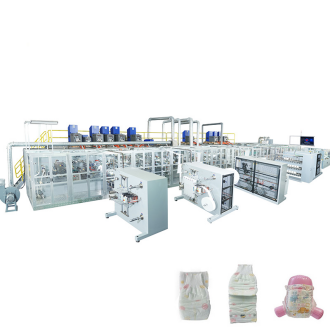
When it comes to modern diaper machines, the core components are engineered for precision and efficiency, transforming raw materials like absorbent polymers, non-woven fabrics, and elastic bands into high-quality products. Key elements include the unwinding system, which feeds materials continuously, and the cutting unit, ensuring accurate sizing. These parts work in sync to minimize waste and maintain consistent output, crucial for meeting tight production schedules.
Another vital component is the adhesive application system, which uses advanced hot-melt technology to securely bond layers without compromising comfort. This system allows for adjustable bonding patterns, enhancing flexibility in diaper design. Coupled with precise control mechanisms, it ensures each diaper meets rigorous standards for durability and leak protection, setting modern machines apart from older models.
Finally, the packaging and folding units wrap up the process by neatly arranging finished diapers for distribution. These components incorporate sensors and automated checks to detect defects, reducing manual oversight. By integrating these core parts seamlessly, modern diaper machines boost productivity while adapting to diverse market needs, from baby diapers to adult incontinence products.
Selecting the Right Materials for Maximum Absorbency and Comfort
When choosing materials for absorbency and comfort, think beyond just high-tech fabrics—consider how different fibers interact with moisture. Natural options like organic cotton and bamboo often excel due to their breathability and gentle feel on skin, but synthetics such as microfiber or modal can offer enhanced drying times and durability. Start by identifying your specific needs, whether it's for activewear or bedding, and test how the material performs under real conditions to ensure both softness and efficiency in moisture management.
A common oversight in material selection is prioritizing absorbency alone, which can lead to discomfort if the fabric remains damp. Look for blended materials that combine benefits, like cotton-polyester mixes that wick moisture away while maintaining comfort. Advances in fabric engineering have introduced treatments that enhance absorptive properties without compromising texture, making it easier to find solutions tailored to sensitive skin or rigorous activities. Always check for certifications or reviews to gauge real-world performance and longevity.
Ultimately, the best materials balance absorbency with comfort by adapting to user movements and environmental factors. Innovations like three-layer constructions in towels or moisture-responsive fabrics in clothing allow for targeted absorption where it's most needed. Don't forget to consider factors like weight and weave, as a lighter material might offer better breathability, contributing to overall comfort. By focusing on a holistic approach, you can select materials that not only meet functional demands but also enhance daily experiences through thoughtful design.
Step-by-Step Breakdown of the Diaper Production Process
The journey begins with the raw materials, where fluffy wood pulp, super-absorbent polymers (SAP), and soft nonwoven fabrics are carefully sourced. Workers blend these components in precise ratios to create the core layer, which determines how well the diaper locks in moisture. This stage requires constant quality checks, as even a slight deviation can affect comfort and leakage protection for the baby.
Next, in the assembly phase, automated machines layer the materials into a sandwich-like structure: a top sheet for gentle contact with the skin, the absorbent core in the middle, and a waterproof back sheet. The elastic leg cuffs and tabs are attached seamlessly, ensuring a snug yet flexible fit. This part of the process highlights the balance between high-speed production and meticulous craftsmanship to prevent gaps or rough edges.
Finally, the final steps involve cutting, folding, and packaging. Each diaper is individually inspected using sensors and manual sampling to catch any defects, such as uneven seams or weak adhesives. Once approved, they are swiftly packed into boxes with vibrant designs, ready for shipping. This behind-the-scenes effort ensures parents receive reliable products that make daily care routines smoother and more confident.
Common Challenges in Diaper Manufacturing and How to Overcome Them
Diaper manufacturing faces several key hurdles that can impact efficiency and quality. One major challenge is material waste, as production lines often generate excess scraps of absorbent polymers and non-woven fabrics. To combat this, manufacturers are adopting advanced cutting technologies like laser-guided systems and real-time monitoring software. These innovations allow for precise material usage, reducing waste by up to 15% while maintaining product integrity.
Another significant issue is consistency in absorbency and fit, which varies with changes in raw material suppliers or environmental conditions. By implementing rigorous testing protocols and cross-checking batches against established benchmarks, companies can ensure uniformity. Some have turned to automated feedback loops in production machinery, adjusting parameters on-the-fly based on sensor data to deliver diapers that meet strict performance standards without manual intervention.
Lastly, regulatory compliance poses an ongoing challenge, with safety standards evolving in markets like the EU and North America. Proactive approaches, such as engaging with certification bodies early in the design phase and using biodegradable alternatives for components, help streamline approvals. For example, some manufacturers now pre-test new materials for toxicity and durability, fostering trust with consumers and regulators alike while future-proofing their operations.
Maintenance Tips to Extend Machine Lifespan and Efficiency
Keeping your machines running smoothly for years isn't just about luck—it's a hands-on strategy that starts with regular check-ups. Think of it as giving your equipment a thorough once-over every few months, spotting minor issues like loose bolts or worn belts before they spiral into costly breakdowns. This proactive approach not only prevents unexpected downtime but also ensures that every component, from motors to sensors, operates at its peak, saving you money on repairs and energy bills in the long run.
A clean machine is a happy machine, and that goes beyond just wiping off dust. Taking the time to clear out debris, lubricate moving parts with the right oils, and calibrate settings according to the manufacturer’s specs can work wonders. It's like tuning a musical instrument; when everything is in harmony, performance soars, and wear and tear are minimized. Plus, this attention to detail boosts efficiency, letting you get more done with less strain on the system.
Don't overlook the power of training your team to handle machines with care and spot early warning signs. By fostering a culture where maintenance is everyone's responsibility, you create a frontline defense against inefficiency. Pair this with keeping detailed logs of all servicing activities—it's not just paperwork but a roadmap that helps predict future needs and tailor maintenance schedules, ensuring your equipment stays reliable and productive for the long haul.
Innovative Features That Set Top-Performing Diaper Machines Apart
One standout aspect of these machines is their advanced sensor technology, which enhances precision in material handling and waste reduction. By incorporating real-time monitoring systems, they can instantly detect variations in raw materials, such as fluff pulp and superabsorbent polymers, adjusting parameters on the fly to maintain consistent quality across every diaper. This not only boosts efficiency but also minimizes defects, making production lines more sustainable with less material waste.
Another key innovation lies in the modular design of these high-performance machines, allowing for quick customization and upgrades without extensive downtime. Manufacturers can easily swap out components to produce different diaper sizes, styles, or incorporate new features like wetness indicators and eco-friendly materials. This flexibility enables brands to respond swiftly to market trends and consumer demands, staying ahead in a competitive industry by offering specialized products that resonate with modern parents.
Additionally, top-performing diaper machines leverage integrated data analytics platforms that transform production data into actionable insights. Through features like predictive maintenance and energy optimization algorithms, these machines can forecast potential breakdowns before they occur, reducing unplanned stoppages and lowering operational costs. By harnessing such smart technologies, manufacturers achieve a leaner, more responsive operation that consistently delivers high-quality diapers while keeping production costs in check.
FAQ
Key features include high-speed production with precision, durable materials that resist wear, efficient absorbent core formation, and user-friendly controls for easy operation and maintenance.
It utilizes advanced sensors and automation to monitor parameters like material tension and adhesive application, reducing human error and maintaining uniform product standards.
Regular cleaning to prevent residue buildup, scheduled lubrication of moving parts, and timely replacement of worn components like blades or seals help extend machine durability.
Yes, modern machines are often adjustable for various sizes and can integrate materials like bamboo or biodegradable fabrics, supporting versatile and sustainable production lines.
Operators must wear protective gear, follow lockout-tagout procedures during maintenance, and undergo training to handle emergency stops and avoid common hazards.
By optimizing material usage, minimizing waste through precision cutting, and increasing output speed, it lowers per-unit costs and boosts overall efficiency.
Challenges include aligning multiple processing units and calibrating sensors; solutions involve thorough initial testing, consulting manufacturer guides, and having expert support on-site.
Conclusion
This comprehensive guide on high-quality baby diaper making machines delves into essential aspects, starting by emphasizing the importance of understanding core components such as absorbent cores, elastic systems, and sealing mechanisms. By selecting the right materials, focusing on superabsorbent polymers and breathable fabrics, manufacturers can enhance both absorbency and comfort. The step-by-step breakdown covers processes from unwinding materials to packaging, highlighting precision and automation to meet safety standards.
To address common challenges like material inconsistencies and machine jams, proactive solutions and robust quality control are recommended. Regular maintenance, including lubrication and part inspections, extends machine lifespan and boosts efficiency. Innovative features, such as AI-driven monitoring and eco-friendly designs, distinguish top-performing machines, enabling competitive edge and high-quality diaper production.
Contact Us
Contact Person: Jessie Lai
Email: [email protected]
Tel/WhatsApp: 86-188594442931
Website: https://www.wm-machinery.com