

Grooving Machine Supplier Guide: Essential Tips for China Sourcing
2026-01-09
In the competitive landscape of China sourcing, finding reliable grooving machine suppliers can be a daunting task. At JIAN MENG, we understand the challenges businesses face, which is why we've crafted this essential guide to help you navigate the complexities and make informed decisions. Our insights will not only save you time and resources but also connect you with trusted partners that drive quality and efficiency. Get ready to explore expert tips that set the foundation for a successful sourcing journey.
Finding Reliable Grooving Machine Manufacturers in China
Locating dependable grooving machine manufacturers in China can streamline your fabrication processes, but it often requires careful vetting to ensure quality and reliability. To start, delve into industry-specific platforms like Alibaba or Made-in-China, where you can filter suppliers based on customer reviews, certifications, and years in operation—this helps narrow down options beyond just price comparisons. Engaging directly with shortlisted companies by requesting samples or visiting their facilities can provide firsthand insights into their production standards and after-sales support, reducing risks associated with remote sourcing.
Beyond online searches, networking through trade shows like the Shanghai International Manufacturing Technology Exhibition offers a chance to meet manufacturers face-to-face and assess their machinery in action. Pay attention to details like warranty terms, customization capabilities, and compliance with international safety standards, as these factors often set reputable firms apart from competitors. Additionally, leveraging referrals from peers in your industry can uncover hidden gems that aren't as prominent on commercial directories, ensuring you partner with manufacturers that have a proven track record in delivering durable grooving machines.
Ultimately, building a lasting relationship with a Chinese manufacturer involves ongoing communication and periodic evaluations to maintain consistency in product quality. Consider starting with smaller orders to test reliability before scaling up, and always clarify logistics and payment terms upfront to avoid misunderstandings. By focusing on transparency and performance metrics over short-term cost savings, you'll position yourself to find a manufacturer that not only meets your technical specifications but also supports your long-term operational goals with responsive service and innovative solutions.
Evaluating Quality and Performance of Grooving Equipment
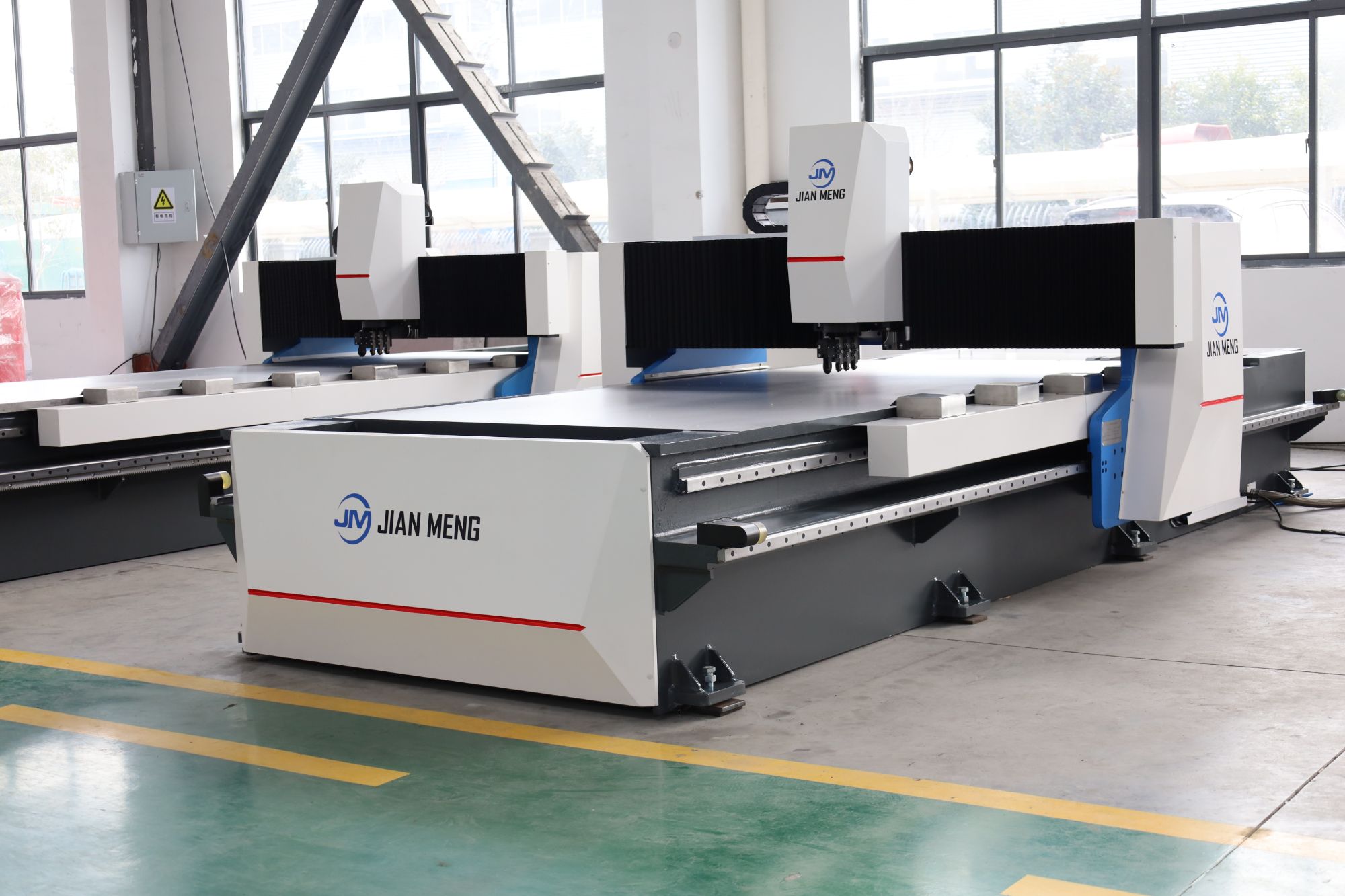
When assessing grooving equipment, it's crucial to dive into its precision and durability under real-world conditions. Unlike generic checklists, consider how the machine handles diverse materials, from soft plastics to tough metals, without compromising cut quality. Look for user feedback on consistency in groove depth and width over extended use, as subtle wear can lead to significant deviations that impact production efficiency. This hands-on evaluation often reveals nuances missed in standard specifications, helping you choose equipment that delivers reliability beyond initial benchmarks.
Performance evaluation extends beyond raw speed to include factors like energy consumption and maintenance demands. For instance, advanced groovers might offer faster cycle times, but if they require frequent calibration or generate excessive heat, operational costs can skyrocket. By analyzing data from field tests or pilot projects, you can gauge how the equipment adapts to varying production volumes and shop-floor environments. This approach highlights machines that balance high output with minimal downtime, ensuring long-term value rather than just short-term gains.
Integrating quality metrics with user adaptability is key for a comprehensive review. Assess how intuitive the controls are and whether the equipment allows for easy adjustments during operations, which can reduce errors and training time. Explore innovations like automated monitoring systems that provide real-time feedback on performance consistency, helping operators proactively address issues before they escalate. By focusing on these dynamic aspects, you not only ensure precise grooving but also foster a more efficient and responsive manufacturing process tailored to specific needs.
Negotiating Pricing and Terms with Chinese Suppliers
When it comes to negotiating with Chinese suppliers, understanding their cultural nuances can significantly influence your pricing discussions. Many businesses assume that the initial quote is the final price, but in reality, suppliers often expect some back-and-forth. It's not just about haggling for the lowest cost; it's about building a relationship based on mutual respect. Start by researching market prices to set a realistic benchmark, and approach negotiations with patience—rushing can signal desperation and weaken your position. Emphasize long-term collaboration rather than one-off deals, as this can lead to more favorable terms and discounts over time.
Payment terms and delivery conditions are equally crucial in these negotiations. Chinese suppliers may offer flexible options like letters of credit or partial upfront payments, which can help manage cash flow and reduce risk. However, be clear about quality standards and inspection rights before finalizing any agreement to avoid disputes later. Don't hesitate to discuss contingency plans for delays or defects, as this shows foresight and professionalism. Remember, a well-structured contract that outlines all terms in detail benefits both parties and fosters trust, setting a solid foundation for future business.
To stand out in your negotiations, consider incorporating value-added elements beyond just price. For instance, propose joint marketing efforts or request exclusive rights in your region, which can incentivize suppliers to offer better terms. Tailor your approach based on the supplier's industry and size—smaller companies might prioritize quick payments, while larger ones may focus on volume commitments. By adapting your strategy and keeping communication open, you can navigate the negotiation process smoothly and secure deals that align with your business goals.
Ensuring Compliance with Safety and Industry Standards
Maintaining robust safety and industry standards isn't just about ticking boxes on a checklist—it's about embedding a culture of vigilance and responsibility into every operation. By proactively addressing potential hazards and aligning with regulatory frameworks, organizations not only protect their workforce and assets but also build a foundation of trust with clients and stakeholders. This commitment often involves continuous training, rigorous audits, and staying ahead of evolving guidelines, ensuring that practices remain resilient in the face of change.
What sets a standout approach apart is the integration of innovative technologies, like real-time monitoring systems and predictive analytics, which enhance compliance without stifling efficiency. Rather than viewing standards as mere hurdles, forward-thinking entities leverage them as strategic advantages, fostering environments where safety and quality drive innovation. This nuanced perspective helps differentiate operations in competitive markets, as it demonstrates a deeper understanding that true compliance goes beyond paperwork to impact everyday workflows positively.
Ultimately, ensuring compliance with these standards is a dynamic journey that requires adaptability and a proactive mindset. By engaging teams in ongoing dialogue and encouraging feedback, organizations can tailor their strategies to meet specific industry demands while mitigating risks. This human-centric approach not only safeguards against incidents but also cultivates a reputation for excellence, turning regulatory adherence into a cornerstone of sustainable business growth.
Managing Logistics and Shipping from China to Your Location
Navigating the complexities of shipping goods from China to your region can feel overwhelming, especially with varying customs regulations and logistical hurdles. It’s not just about picking a carrier; it involves understanding supply chain dynamics, from factory pickups to final-mile delivery. Many businesses find that partnering with experienced logistics providers simplifies the process, offering tailored solutions that match your budget and timeline.
Customs clearance often becomes a sticking point, with documentation like commercial invoices and certificates of origin needing precise attention. Errors here can lead to delays or unexpected fees, so thorough preparation is key. Some shippers opt for integrated services that handle everything door-to-door, ensuring seamless transitions across borders and reducing the risk of bottlenecks in transit.
Cost-effectiveness doesn’t have to mean cutting corners—strategic planning can balance speed and expense. For instance, consolidating shipments or exploring alternative routes might save money without sacrificing reliability. By staying informed about current market trends and local requirements, you can transform shipping from a challenge into a competitive advantage.
Building Long-Term Supplier Relationships for Ongoing Support
Fostering long-term supplier relationships is crucial for ensuring continuous support and operational stability in any business. It goes beyond just signing contracts; it involves building trust through transparent communication and collaborative problem-solving. When suppliers feel valued and part of a team, they're more likely to go the extra mile during critical times, offering tailored solutions and proactive assistance that can prevent disruptions before they occur.
This approach means investing time in regular check-ins, joint planning sessions, and feedback loops that keep both parties aligned on goals. It's not merely about cost savings but about creating a resilient supply chain where suppliers become strategic partners, contributing innovative ideas and adapting swiftly to market changes. By prioritizing these connections, companies can achieve smoother operations and enhanced support that endures through challenges.
FAQ
Focus on the supplier's production capacity, quality certifications like ISO, and their ability to customize machines to fit your unique requirements—don't just go for the lowest price.
Request samples or factory visits to inspect materials and workmanship, and ask for detailed documentation like test reports to verify machine performance standards.
Yes, be wary of vague pricing that might hide extra costs, and always clarify warranty terms and after-sales support in the contract to avoid future disputes.
Lead times usually range from 4 to 12 weeks; to manage delays, plan ahead, communicate regularly with the supplier, and include penalty clauses in agreements for late deliveries.
Work with a reliable freight forwarder who understands heavy machinery, ensure proper packaging to prevent damage, and check import regulations in your country to avoid customs issues.
Look for suppliers offering comprehensive training, spare parts availability, and responsive technical support to minimize downtime and ensure long-term machine efficiency.
Use online reviews as a starting point, but verify them through independent references or site visits, as some reviews might be biased or fake.
Clearly outline your needs in a detailed specification sheet, including dimensions, materials, and operational requirements, and discuss prototyping or testing options before full production.
Conclusion
Sourcing grooving machines from China requires a strategic approach. Start by identifying reliable manufacturers through industry networks and verification of certifications, ensuring they specialize in your required equipment. When evaluating quality and performance, focus on detailed product specifications, request samples or factory visits, and seek feedback from existing clients to assess durability and precision. Negotiating pricing and terms involves clear communication about volume discounts, payment conditions, and warranties, with flexibility to adapt to market changes. Always prioritize compliance with international safety and industry standards, confirming that machines meet regulations like CE or ISO certifications to avoid legal issues and ensure operational safety.
Managing logistics effectively includes planning shipping methods, lead times, and customs documentation to minimize delays and costs. Building long-term supplier relationships is key for ongoing support, fostering trust through regular communication, joint problem-solving, and after-sales services. This holistic approach not only secures high-quality grooving machines but also establishes a dependable supply chain, enhancing efficiency and reducing risks in your sourcing process from China.
Contact Us
Contact Person: Jeanie
Email: [email protected]
Tel/WhatsApp: +86 19805122954
Website: https://www.jianmeng.com