Flame Resistant Clothing: The Ultimate Guide to Safety and Performance
2026-07-19
Flame resistant clothing is more than just a workplace requirement—it's a lifeline. Every day, workers in high-risk industries face flash fires, arc flashes, and molten metal splashes, and what they wear can mean the difference between a close call and a catastrophe. But not all FR gear is created equal. From fabric technology to comfort and durability, the choices you make directly impact safety and performance. That's where DROTEX comes in. By combining cutting-edge protection with all-day wearability, DROTEX redefines what flame resistant clothing can do. In this guide, we'll break down everything you need to know—so you can choose gear that doesn't just meet standards, but exceeds expectations.
What Flame Resistant Clothing Protects Against (And What It Doesn’t)
Flame resistant clothing is engineered to shield you from short-term thermal hazards, primarily flash fires and electric arc flashes. The fabric self-extinguishes once the heat source is removed, drastically reducing burn injuries. It's not just about the fire itself—these garments also protect against the intense radiant heat that can cause second or third-degree burns even without direct flame contact. In industrial settings, they guard against splashes of molten metal and welding sparks that would instantly ignite ordinary workwear.
That said, this gear has clear limits. It won't protect you from prolonged exposure to high heat, such as standing next to a furnace for hours. It's not a substitute for chemical-resistant suits—many corrosive or toxic liquids can soak through and damage the fabric or your skin. And if you're caught in a continuous flame or a massive fireball that lasts more than a few seconds, the protective barrier can be overwhelmed, leading to severe burns. Understanding these boundaries is what keeps you safe, not just the clothing itself.
The Material Makeup: How Fibers and Fabrics Defend You
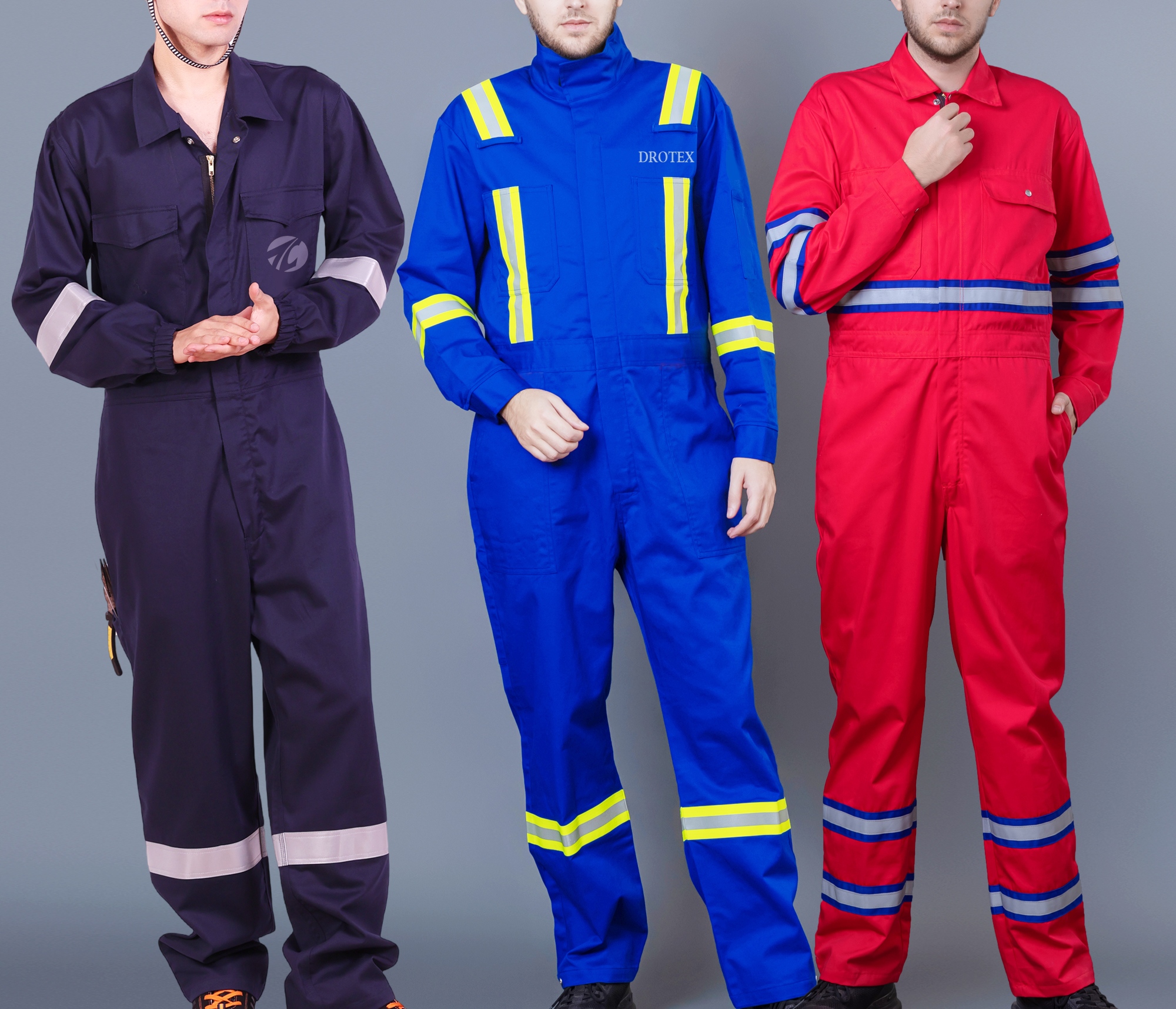
Think of your clothing as a personal shield, carefully woven from fibers that each bring a unique defense to the table. Cotton, for instance, isn't just about softness—its hollow core traps air, forming a breathable barrier against heat while wicking moisture away from the skin. Wool takes it a step further with natural crimp and lanolin, creating tiny insulating pockets that keep you warm even when wet, and actively resisting odor-causing bacteria. Then there are synthetics like polyester and nylon, which are engineered to be lightweight yet incredibly tough, repelling water and blocking wind like a force field without sacrificing mobility. Every thread is chosen not just for comfort, but for its silent role in protecting you from the elements.
The real magic happens when these fibers become fabric. Weave them tightly, and you create a dense, durable barrier that stops bites, thorns, and abrasive surfaces in their tracks. Loosen the weave, and suddenly the material breathes, letting air circulate to cool you down during a hard push while still guarding against UV rays. Finishes add another layer of cunning—a microporous membrane might be bonded to the fabric to keep rain out while allowing sweat vapor to escape, keeping you dry from both outside and in. It’s this careful balance, often invisible to the eye, that turns a simple piece of cloth into a dynamic shield that adapts to your surroundings as you move.
Beyond the physical, fibers also stand guard against threats you can't see. Some are treated to kill bacteria on contact, reducing the risk of infection through scratches or prolonged wear in damp conditions. Others incorporate mineral-based technologies that reflect body heat back toward you, conserving energy in cold climates without adding bulk. Even the humble canvas duck, once used for sails and tents, still defends with sheer density—its tight weave resists punctures and tears that would shred lighter materials. In every instance, the defense isn't a single flashy feature but the sum of countless small decisions in material science, blending nature’s blueprints with human innovation to craft a second skin that works as hard as you do.
Reading the Labels: A Practical Guide to Safety Standards
Understanding safety labels goes far beyond a quick glance at symbols and warnings. It involves recognizing the specific standards behind each mark, from UL and CE to FCC and RoHS. These labels are not just bureaucratic stamps; they represent rigorous testing and compliance with regional regulations. When you take the time to read them carefully, you equip yourself with crucial information about product safety, electromagnetic compatibility, and environmental impact. This guide helps you decode those markings so you can make informed decisions, whether you're purchasing electronics, toys, or industrial equipment.
Every safety standard has a story rooted in its testing protocols and intended markets. For instance, a UL listing in the US indicates the product has been evaluated for fire and shock hazards, while a CE mark signals conformity with European health, safety, and environmental requirements. Some labels, like the FCC mark, focus on radio frequency interference, ensuring your device won't disrupt other electronics. By reading the labels, you're essentially checking a product's passport—verifying where it has been tested and what specific risks it mitigates. This practical approach helps avoid mismatched equipment and potential hazards in different operating environments.
A practical tip is to look beyond the main logo and examine any accompanying numbers or codes on the label. These often reference the exact standard version and the certifying body, which you can cross-check online if authenticity is a concern. For example, a RoHS label with a specific exemption number tells you which hazardous substances are still present under controlled allowances. Developing a habit of reading safety labels transforms a mundane product inspection into an empowered act of consumer awareness. It's a straightforward skill that bridges the gap between complex regulations and everyday safety, giving you confidence that the product meets the demands of its intended use.
Fit, Comfort, and Function: Why Design Matters as Much as Protection
In the realm of protective gear, there's a common misconception that the sole purpose of a product is to shield the wearer from harm. While this is undeniably critical, an overly simplistic focus on raw protection often leads to designs that are stiff, cumbersome, and ultimately avoided by the very people they're meant to serve. True effectiveness lies in the seamless marriage of safety with everyday usability. A helmet that sits heavy on the head or restricts peripheral vision, for instance, invites neglect. The moment gear feels like a burden, it loses its primary function—because the best protection is the kind you barely notice you're wearing.
Fit is the silent foundation of this philosophy. Even the most advanced materials can't compensate for a product that doesn't conform naturally to the body. A poor fit creates pressure points, chafing, and constant readjustment, all of which fracture concentration during high-stakes activities. Think of a cyclist who's distracted by sliding knee pads, or a construction worker whose ill-sized gloves reduce dexterity. These aren't minor annoyances; they're risks that compound over time. Designers must prioritize anthropometric data and real-world testing over one-size-fits-all shortcuts, engineering shapes that move with the wearer rather than against them. When a piece of equipment feels like a natural extension of the body, it transforms from an obligation into a trusted tool.
Function, in turn, thrives when design anticipates real-world demands. Protection is static only in a lab; in the field, it's dynamic. A jacket might boast cut-resistant fabric, but if the weight of the material limits the range of motion, it fails the user in practice. Thoughtful features—like ventilation channels that don't compromise structural integrity, or adjustable straps that operate with one gloved hand—elevate a product from adequate to exceptional. This is where design thinking moves beyond safety standards and into the psychology of the user. People are more likely to consistently wear gear that aligns with their workflow and comfort expectations. Ultimately, the most sophisticated armor is worthless if it's left in the bag, so the mark of truly intelligent protection is a design so integrated with human behavior that it simply becomes second nature.
The Lifecycle of FR Gear: Maintenance, Inspection, and Retirement
Flame-resistant clothing doesn't last forever, and treating it like regular workwear is a costly mistake. Each shift in the field pushes the fabric closer to its limits, with invisible damage accumulating from heat, abrasion, and even improper washing. The moment you ignore a frayed cuff or a worn-out reflective strip, you're gambling with more than just compliance—you're betting against the very protection your team relies on.
Inspections need to be more than a checkbox exercise. Instead of just a visual once-over, get hands-on: stretch seams to check for broken stitching, hold garments up to light to spot thinning fabric, and pay attention to closures that no longer lie flat. A zipper that snags or snaps that won't hold might seem minor, but they can create gaps that let heat and flames through. Keep a simple log—not just for audits, but to track patterns. When the same gear fails in the same spot across multiple sets, it often points to a task-specific hazard you can address before an injury occurs.
Knowing when to retire FR gear is a judgment call that goes beyond a set number of washes. If you're seeing color fading that signals chemical breakdown or fabric that feels stiff even after proper laundering, the flame-resistant properties are already compromised. Stains that won't come out, especially from oils or fuels, can ignite and burn hotter than the fabric itself can handle. Don't try to stretch the service life with makeshift repairs—home-stitched patches or duct tape have no place on protective equipment. When in doubt, trade it out. The cost of replacement is measured in dollars; the cost of a failure is measured in skin.
Industry-Specific Needs: Matching the Garment to the Hazard
Every work environment brings its own set of risks, and the protective clothing you choose must be tailored precisely to those threats. In oil and gas, flash fire resistance isn't a bonus—it's a baseline. Garments need to self-extinguish almost instantly, preventing burns even when the unexpected happens. Meanwhile, electricians face arc flash hazards that demand fabrics engineered to resist high-intensity thermal energy without breaking down. The wrong material can turn a minor incident into a catastrophe, so understanding the specific energy levels and exposure scenarios is non-negotiable.
Chemical handling tells a different story entirely. A splash of acid requires barrier fabrics that prevent penetration, while a mist of solvents might demand a completely different polymer structure to avoid degradation. Think of a single garment trying to do it all and failing—it's not just uncomfortable; it's dangerous. Heavy industries like foundries need aluminized shells that reflect radiant heat, but those same suits would be useless and even hazardous in a cleanroom where particle shedding is the real enemy. Matching means looking beyond the obvious labels and into the details of how a substance interacts with textile surfaces and seams over time.
Beyond materials, ergonomics and task-driven design separate a good garment from a great one. Workers in confined spaces can't afford loose fabric catching on equipment. Welders need sleeve closures that lock out sparks, while linemen need arc-rated layers that still allow the mobility to climb. Even something as simple as pocket placement matters—it can keep tools secure or create a snagging hazard. It's this tight focus on the day-to-day reality of each role that pushes protective wear from a compliance checkbox to a genuine trust between worker and gear.
FAQ
Flame resistant (FR) clothing is designed to self-extinguish when the ignition source is removed, preventing the fabric from continuing to burn and reducing injury severity. Unlike regular cotton or polyester blends that can ignite and melt onto skin, FR gear gives the wearer critical seconds to escape. It's not fireproof, but it significantly limits burn injury by avoiding afterflame and melting.
The protection comes from the fabric's chemical structure or a treatment that prevents it from sustaining combustion. When exposed to flame, the material chars and forms an insulating barrier that slows heat transfer. This char layer helps keep heat away from the skin, reducing the depth and extent of burns. It's really about buying time for a safe escape.
You'll typically see treated cotton, aramid fibers like Nomex, modacrylic blends, and sometimes FR rayon. Each has trade-offs: treated cotton is breathable and affordable but may lose protection after heavy laundering, while aramids offer inherent resistance that won't wash out but are pricier.
Yes, protection levels are often tied to hazard risk categories. In the US, NFPA 2112 is the go-to standard for flash fire protection, while NFPA 70E covers electrical arc flash. These standards define performance requirements like heat transfer performance (HTP) and arc ratings (ATPV or EBT). Always match the garment's rating to your specific risk.
Start by having a thorough hazard assessment done at your workplace. Consider the type of exposure (flash fire, arc flash, molten metal), the energy level, and how often you'll face that risk. Then look at comfort and durability—heavy, stiff suits might get left on a hook. Fit matters too; loose fabric can trap flames, but too tight reduces insulating air gaps.
Absolutely. Treated fabrics can lose effectiveness if not laundered properly—hard water, bleach, or fabric softeners can damage the FR finish. Even inherent FR fabrics can get compromised by heavy soiling, abrasion, or contamination with flammable materials like oil and grease. Regular inspections and following care labels are non-negotiable.
While often used interchangeably, 'flame resistant' typically refers to materials that are inherently non-flammable, like Nomex. 'Flame retardant' usually describes chemically treated fabrics that resist ignition. In practice, both can provide the needed protection, but the distinction matters for longevity and maintenance.
One big one: buying based on price alone and overlooking the specific hazard. Another is ignoring comfort—if it's too hot or restrictive, workers won't wear it properly. Also, people forget that base layers matter. A synthetic undershirt can melt under FR outerwear during a flash fire. Finally, not retiring damaged or heavily contaminated garments is a serious safety gap.
Conclusion
Flame resistant clothing isn't just a uniform—it's a calculated barrier between you and an unforgiving hazard. It's designed to shield against flash fires, electric arcs, and combustible dust, but it won't protect you from prolonged direct flame or extreme heat that overwhelms the fabric's limits. The real defense lies in the material science: inherently flame-resistant fibers like aramids don't simply resist ignition; they char and swell to block thermal energy, while treated cottons rely on chemical bonds that snuff out after-flame. Reading the labels isn't bureaucratic trivia—standards like NFPA 2112 or ASTM F1506 map directly to the threats you face, so skipping them isn't an option. And don't overlook fit: a sleeve that rides up or a collar gap transforms protective gear into a liability. Seams, closures, and layering all influence how long you have to escape, making design as vital as the fabric itself.
Beyond the initial purchase, FR clothing demands a lifecycle approach. Regular inspections catch compromised stitching, thinning fabric, or contamination from flammable substances that can nullify protection. Washing isn't just about hygiene—hard water minerals or fabric softeners can coat fibers and undermine flame resistance, so care instructions are part of your safety protocol. Retirement isn't a suggestion; when a garment shows irreversible damage or fails a flash test, it's done. Different industries demand different solutions: electric utilities need arc-rated daily wear, oil and gas workers rely on garments that shed molten metal, and chemical labs require resistance to specific accelerants. Matching the gear to the hazard means understanding not just the rating, but the nuance—because in a high-risk environment, the right clothing doesn't just meet a spec; it buys time, and time changes outcomes.
Contact Us
Contact Person: Sandy
Email: [email protected]
Tel/WhatsApp: 86150 8310 5120
Website: https://www.frdrotex.com