

Enhancing Urban Accessibility: How Leading Tactile Paving Manufacturers Build Safer Walkways
2026-03-30
In today's bustling urban landscapes, ensuring safe and accessible pathways for all pedestrians is more important than ever. Tactile paving, those textured ground surface indicators, plays a pivotal role in guiding visually impaired individuals and enhancing overall walkway safety. But what goes into creating these essential urban elements? This blog explores how leading manufacturers are innovating to build safer, more inclusive walkways. As a leader in this field, Beata Ceramics combines cutting-edge design with durable materials to set new standards. Discover the hidden craftsmanship behind these tactile solutions and learn how cities can transform their infrastructure for better accessibility and safety. Dive in to see the impact of thoughtful design on everyday mobility.
Urban Accessibility Innovations: What Top Tactile Paving Companies Are Doing
Urban centers are increasingly turning to innovative tactile paving solutions to enhance accessibility for visually impaired individuals. Leading companies in this field are not just producing standard truncated dome tiles; they're integrating smart technologies, such as embedded sensors that interact with mobile apps to provide real-time navigation cues. These advancements convert routine pathways into interactive guides, blending safety with digital connectivity in public spaces.
Another key trend involves the use of sustainable and durable materials, like recycled rubber or composite polymers, that withstand harsh weather while maintaining their tactile properties. Companies are also customizing designs to suit local urban aesthetics, offering color variations and texture combinations that blend seamlessly with surrounding architecture. This approach not only improves functionality but also fosters inclusive cityscapes that prioritize both form and accessibility.
Collaborations with urban planners and disability advocates are driving further innovations, such as modular paving systems that can be easily reconfigured for events or construction zones. By focusing on user feedback and continuous improvement, top firms ensure their products evolve to meet diverse needs, making cities more navigable and welcoming for all residents and visitors.
Tactile Solutions: How Manufacturers Improve Walkway Safety in Cities
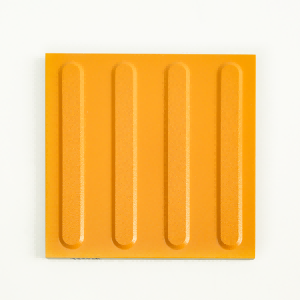
In response to growing urban safety demands, manufacturers are developing innovative tactile solutions that go beyond traditional textured surfaces. These advancements include smart pavers embedded with sensors to detect hazards like icy patches or cracks, automatically alerting city maintenance crews. By integrating these technologies, walkways become proactive safety systems, reducing accident rates in bustling city centers and enhancing accessibility for visually impaired pedestrians through real-time feedback.
Another key development is the use of durable, eco-friendly materials such as recycled rubber and high-grip polymers, which maintain their tactile properties even in harsh weather conditions. Manufacturers collaborate with urban designers to create customized patterns that not only meet safety standards but also blend aesthetically with city landscapes. This approach ensures that walkways remain slip-resistant year-round while contributing to sustainable urban infrastructure, making cities more navigable for all residents.
To further improve safety, some companies are introducing modular tactile systems that allow for easy installation and updates without major disruptions to city traffic. These systems can be quickly adjusted or replaced as needed, supporting adaptive urban planning and long-term cost savings. By focusing on user-centric design and innovative materials, manufacturers help cities build safer, more inclusive environments where walkway safety becomes an integral part of urban living.
Designing for All: The Role of Tactile Paving in Urban Infrastructure
In bustling cityscapes, tactile paving serves as a silent guide, transforming sidewalks and transit hubs into navigable spaces for individuals with visual impairments. These textured ground surfaces, often featuring raised domes or bars, provide essential cues about changes in direction, potential hazards, or transit points, enabling greater independence and safety. By integrating such elements, urban planners acknowledge that accessibility isn't an afterthought but a core component of inclusive design, ensuring everyone can move through public areas with confidence.
Beyond its primary function, tactile paving subtly enhances the urban experience for all residents, not just those with disabilities. It acts as a physical reminder to slow down and be more aware of one's surroundings, fostering a more considerate and pedestrian-friendly environment. Moreover, when thoughtfully designed, these features can blend aesthetically with the overall streetscape, avoiding a clinical look and instead contributing to the city's visual identity. This approach demonstrates how practical innovations can elevate both functionality and community spirit.
The implementation of tactile paving also reflects a broader shift toward universal design principles, where infrastructure is created to be usable by as many people as possible without adaptation. Cities that prioritize such measures often see reduced accidents and increased public satisfaction, as they cater to diverse needs, from parents with strollers to elderly pedestrians. As urban populations grow and diversify, investing in these small but significant details becomes crucial for building resilient, equitable communities where no one is left behind in the rush of daily life.
Material Advances: New Tactile Paving Technologies from Industry Leaders
Leading companies are transforming urban accessibility with innovative tactile paving solutions that enhance safety for visually impaired pedestrians. These advancements include durable materials with improved tactile feedback, such as rubber composites that withstand weather extremes better than traditional concrete, and modular designs that allow for easier installation and maintenance.
Beyond basic functionality, new technologies incorporate smart features like embedded sensors that detect foot traffic or environmental changes, enabling dynamic alerts through connected systems. For example, some products integrate with mobile apps to provide real-time navigation assistance, making public spaces more inclusive and interactive.
Customization options have expanded, with manufacturers offering varied colors and patterns that blend aesthetic appeal with functional guidance, addressing both accessibility requirements and urban design goals. This shift reflects a broader trend towards holistic infrastructure solutions that prioritize user experience and long-term sustainability.
Case Studies: Successful Tactile Paving Projects for Safer Pedestrian Zones
In Tokyo, Japan, a transformative tactile paving initiative has reshaped how visually impaired pedestrians navigate the bustling Shibuya Crossing. Installed in the early 2000s, the project uses a network of raised, truncated domes and linear bars to guide users safely through this iconic intersection. Beyond just marking crosswalks, the design includes subtle cues for subway entrances and bus stops, integrating seamlessly with the urban landscape. As a result, incidents involving pedestrians with visual impairments have dropped significantly, and the system has become a model for other major cities worldwide.
London's King's Cross regeneration area stands out for its innovative approach to tactile paving, blending accessibility with aesthetic appeal. The project employed custom-colored paving stones that harmonize with the historic architecture, moving away from the standard yellow to a muted gray that still provides high contrast. What truly sets this project apart is its use of tactile surfaces not only on sidewalks but also in public squares and park pathways, creating a cohesive, safe environment for all pedestrians. This thoughtful integration has received praise from both accessibility advocates and urban designers, showcasing how functionality can enhance rather than detract from public spaces.
A lesser-known yet highly effective case comes from Melbourne, Australia, where a pilot program in the central business district introduced tactile paving with embedded sensors. These sensors detect pedestrian flow and adjust lighting at night to highlight the tactile paths, improving safety after dark. The project also involved extensive community input, including workshops with users of the system to refine the placement and texture of the paving. This participatory approach led to a design that not only meets accessibility standards but also feels intuitive to those who rely on it daily, setting a new benchmark for user-centered urban planning.
Future Directions: Trends and Challenges in Urban Walkway Enhancements
As cities evolve, urban walkways are shifting from mere pathways to dynamic hubs of community life. Emerging trends highlight smart integration of green spaces and public art, transforming sidewalks into vibrant corridors that foster social interaction and well-being. For instance, cities like Copenhagen prioritize pedestrian-first designs, embedding benches, lighting, and native plants to create inviting environments. This approach not only enhances aesthetics but also addresses urban heat islands, making walkways more resilient in changing climates.
Technological innovations are reshaping walkways, with advancements like adaptive lighting that responds to weather conditions or foot traffic, improving safety while conserving energy. However, challenges persist, such as balancing tech upgrades with privacy concerns and ensuring accessibility for all users, including those with disabilities. Funding constraints often hinder large-scale implementations, requiring creative public-private partnerships or community-driven initiatives to sustain progress.
Looking ahead, the focus is on holistic planning that integrates walkways with broader urban systems, like public transit and cycling networks. Future enhancements must navigate competing demands for space and resources, emphasizing inclusive designs that cater to diverse populations. By addressing these challenges head-on, cities can craft walkways that are not just functional but transformative, nurturing healthier, more connected communities in an increasingly urbanized world.
FAQ
Tactile paving plays a crucial role in enhancing safety and accessibility for visually impaired pedestrians in cities, helping them navigate walkways and public spaces with greater independence.
Leading manufacturers use high-quality materials like polymer composites or concrete, combined with rigorous testing for wear and weather resistance, to ensure long-lasting performance in various urban conditions.
Innovations include contrasting colors for better visibility, different surface textures for directional cues, and integrated LED lighting to improve guidance in low-light areas.
They provide tactile cues that alert pedestrians to hazards like street crossings or platform edges, making urban environments more inclusive and compliant with accessibility standards.
Installation involves assessing foot traffic patterns, local climate conditions, and compliance with regulations such as the Americans with Disabilities Act (ADA) to ensure effective placement.
Cities can collaborate through pilot programs, feedback loops with user groups, and custom designs to tailor solutions that meet specific community needs and enhance walkway safety.
Conclusion
Urban accessibility innovations are transforming city landscapes as top tactile paving companies implement advanced solutions to build safer walkways. These manufacturers focus on designing for all, integrating tactile paving into urban infrastructure to enhance navigation for visually impaired individuals and improve overall pedestrian safety. By developing new materials and technologies, such as durable, slip-resistant surfaces and distinct textures that signal warnings or directional cues, they create walkways that are both functional and inclusive. This proactive approach not only addresses current urban challenges but also fosters more equitable and accessible public spaces, making cities more livable for everyone.
Case studies from successful projects highlight the practical benefits of these innovations, showcasing how tactile paving has dramatically reduced accidents and increased confidence among pedestrians in various urban settings. Looking ahead, future directions point towards trends like smart paving systems that integrate with digital navigation tools, though challenges remain in standardizing designs across regions and ensuring cost-effectiveness. Despite these hurdles, continuous advancements in tactile paving technologies promise to further enhance urban walkway safety, reinforcing the critical role of leading manufacturers in shaping accessible, people-centered cities through thoughtful, evidence-based infrastructure improvements.
Contact Us
Contact Person: Emma
Email: [email protected]
Tel/WhatsApp: 8618064423698
Website: https://www.beataceramics.com/