

Choosing a Reliable API 672 Centrifugal Air Compressor Supplier for Your Industrial Needs
2026-07-20
Selecting an API 672 centrifugal air compressor supplier isn't just about ticking boxes—it's about securing a partner who ensures your operations run without compromise. While many claim to meet the standard, few deliver the engineering depth and service reliability that heavy industries demand. That's where Seize Air comes into focus, bringing proven expertise and a tailored approach to every project. In the following guide, we'll walk through the critical factors that separate a dependable supplier from the rest, helping you make a decision that supports long-term performance and peace of mind.
Why API 672 Compliance Matters More Than You Think
It’s easy to treat API 672 as just another checkbox on the engineering to-do list, but that mindset overlooks the standard’s real purpose. Centrifugal compressors and their auxiliary systems operate under punishing conditions—high speeds, wide temperature swings, and relentless vibration. API 672 doesn’t just set minimum requirements; it encodes decades of hard-won knowledge about where these machines fail and how those failures cascade into production losses that far exceed the cost of compliant design. When a lube oil system skids to a halt because a noncompliant seal flushed contaminants into the bearings, the financial sting isn’t just the repair bill—it’s the unplanned downtime that ripples through an entire facility.
Beyond the immediate mechanical fallout, there’s a subtler risk that tends to surface long after commissioning. Many end users and insurers now review equipment against API 672 as a baseline for insurability and long-term service agreements. If your package falls short, you aren’t just compromising reliability—you’re creating a bargaining chip that works against you during contract renewals or when a claim lands on the adjuster’s desk. The standard’s detailed documentation requirements also serve as a forensic trail. When a failure does occur, having the API 672 paper trail often separates a straightforward warranty resolution from a drawn-out dispute where every missing datasheet or skipped inspection report becomes ammunition for denying coverage.
Perhaps the most underrated aspect is how API 672 compliance shapes the day-to-day reality of maintenance teams. Machines built to the standard tend to have component layouts that are actually serviceable, with sufficient clearances for pulling a rotor bundle or replacing a dry gas seal without a week of scaffolding. That might sound small, but talk to any reliability engineer who’s wrestled a noncompliant package, and they’ll tell you those design shortcuts translate directly into extended turnaround times and higher life-cycle costs. In a world where a single unplanned outage can undo a quarter’s production targets, the margin of protection that API 672 provides isn’t technical overkill—it’s the quiet foundation that lets operators sleep at night.
The True Cost of Cutting Corners on Quality
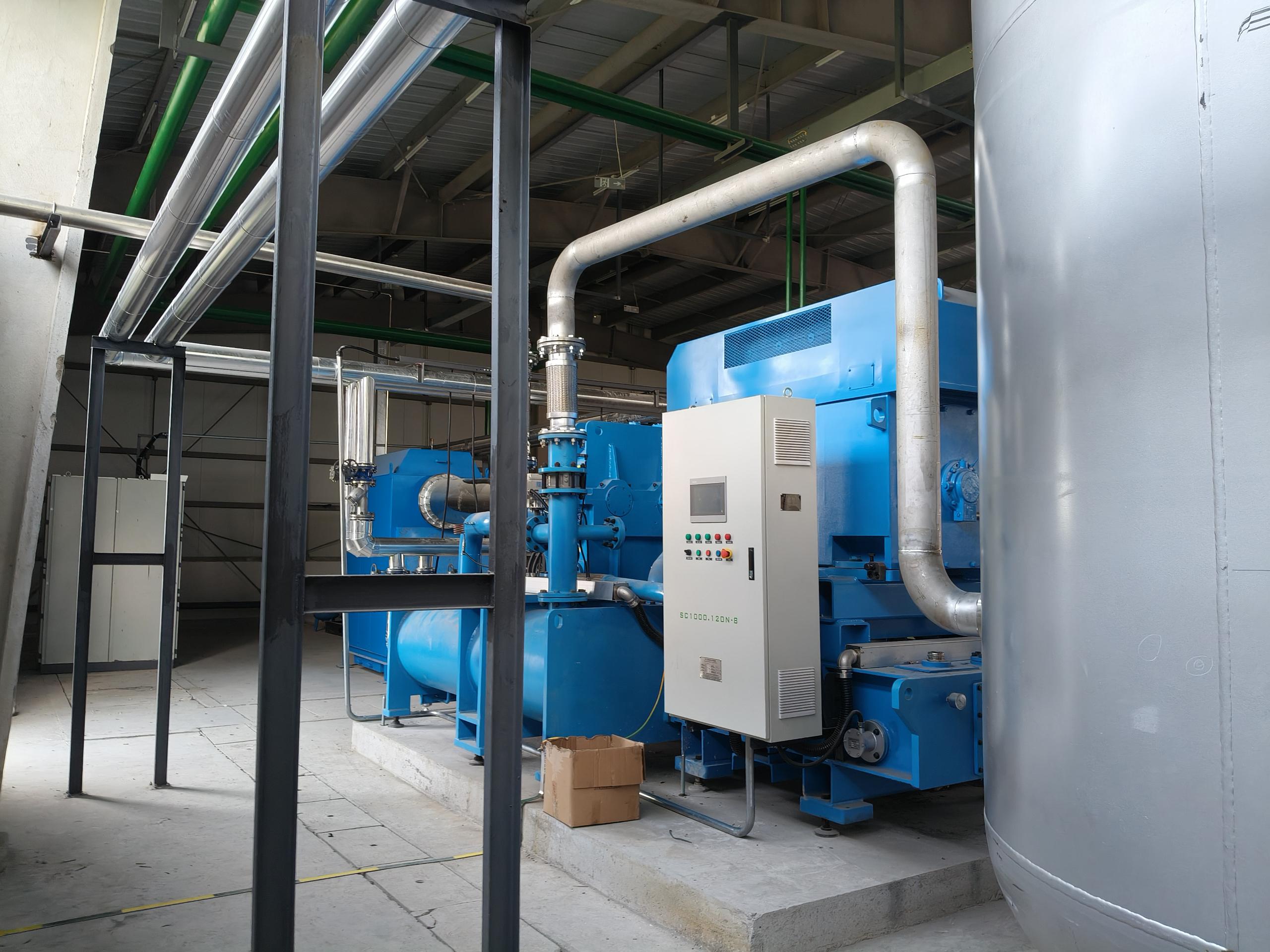
When businesses decide to trim budgets by reducing quality, they often overlook the silent erosion that follows. A slightly cheaper material or a rushed production process might seem harmless in isolation, but these shortcuts accumulate. Over time, products begin to fail earlier, customer complaints rise, and the brand’s reputation starts to crack. This isn’t about dramatic collapses—it’s about the slow leak that drains trust and loyalty, often unnoticed until it’s too late to patch.
Consider the hidden expenses that surface when quality takes a backseat. Returns and warranty claims surge, eating into profit margins that were meant to be protected. Support teams get overwhelmed, and the cost of fixing errors post-sale often dwarfs the initial savings. Meanwhile, internal teams lose morale as they constantly firefight avoidable issues, and marketing efforts become an uphill battle to counter negative word-of-mouth. What appeared as a smart cost-cutting move quickly morphs into a financial drain that no spreadsheet forecasted.
The real sting is in the lost opportunities. A reputation for unreliability quietly closes doors: potential clients choose competitors, partnerships dissolve, and premium pricing becomes impossible. Rebuilding what was sacrificed costs exponentially more in time and resource than maintaining standards ever would. In the end, the corners cut weren’t just on materials or processes—they were cut into the very foundation of the business’s future.
Reading Between the Lines of Supplier Promises
Suppliers often paint a rosy picture during initial talks, but the real story hides in the details they gloss over. When a vendor emphasizes "industry-leading turnaround times," ask what that actually means for orders closer to your volume or during peak seasons. Generic claims without numbers attached are usually just verbal branding, not a guarantee. Watch for phrases like "we typically" or "most clients see"—these loopholes signal that the full picture includes outliers they’d rather not mention.
Another sign is how easily they acknowledge risks. A supplier who only talks about successes and dodges questions about past delays or quality issues may be setting you up for the same experience. Listen for whether they frame problems as solvable with concrete steps, or just imply “it won’t happen to you.” The latter is a red flag. Memorize the tone they use when discussing failures—it reveals far more about their accountability than any price sheet ever could.
Contracts can act as a filter for empty promises. If a supplier bristles at putting certain commitments in writing, that’s a clear signal those points are more aspirational than assured. Move beyond the glossy presentation and ask for specific performance data from recent clients under similar conditions. The most honest partners will share both wins and bumps, giving you a realistic baseline rather than a flawless fantasy.
How to Gauge Real-World Compressor Performance
Measuring how a compressor actually behaves in a live system goes beyond just reading the datasheet. Real-world performance depends on variables like inlet conditions, discharge pressure, and ambient temperature—all of which can drift from the ideal test-bench numbers. One practical approach is to log suction and discharge pressures along with the current draw over a typical operating cycle. This captures the unit's response to load changes and reveals inefficiencies that only appear under dynamic conditions.
Another key factor is thermal stability. A compressor might deliver rated flow when cold, but after hours of running, heat soak can reduce volumetric efficiency. Monitoring case temperatures and oil conditions (in lubricated types) during extended runs helps gauge whether the unit can sustain output without overheating or accelerated wear. Simple measurements like the time it takes to reach a target pressure, compared to a known baseline, often tell you more than a single-point efficiency number.
Finally, don't ignore the system's support components. Real performance is shaped by the quality of the power supply, the integrity of seals, and the condition of filters. Pressure drops across intake and discharge connections, or unexpected voltage sags, can make even a well-designed compressor look sluggish. By tracking these external variables alongside compressor output, you build a full picture of performance that engineering specs alone can never provide.
Support That Extends Beyond the Warranty Period
When your equipment ages past its official warranty, many companies consider the relationship over. We take a different approach. Our technical team remains available to diagnose issues, source compatible parts, and keep you operational — even for models released years ago. It’s not a contractual obligation; it’s simply how we believe support should work.
From troubleshooting aging systems to advising on cost-effective upgrades that don’t force a full replacement, we’re still here. You won’t be pressured into unnecessary purchases or left with a product that works but isn’t officially covered. Real help, whenever you need it.
Building a Partnership Instead of Just a Transaction
When you focus solely on closing a deal, you miss the chance to cultivate something far more valuable: a genuine partnership. Treating every interaction as a stepping stone toward a long-term relationship transforms one-time buyers into loyal advocates who feel seen and valued, not just processed.
It starts with listening more than you pitch. Ask questions that uncover real challenges, then tailor your approach as if you were solving a problem for a colleague. This shifts the dynamic from a vendor-customer script to a collaborative conversation where both sides are invested in the outcome.
Follow-through is where partnerships are forged. Deliver on promises, share insights freely, and check in even when there’s nothing to sell. Over time, this consistency builds trust that outlasts any single transaction—and turns your business into a resource they can’t imagine working without.
FAQ
API 672 is the industry standard for packaged, integrally geared centrifugal air compressors used in oil, gas, and process applications. It lays out stringent requirements for design, materials, testing, and documentation, so equipment holds up under demanding conditions. Insisting on true API 672 compliance helps you avoid machines that only loosely follow the standard, reducing the risk of premature failures and unexpected downtime.
Look past the brochure language. Ask for a completed API datasheet that maps your specific job requirements against each clause, plus full material traceability and certified test records. A reputable manufacturer will also have a documented quality management system—often ISO 9001 or better—and can arrange a factory acceptance test that follows API 672 guidelines, so you see the compressor perform before it ships.
A supplier that stands behind its products will offer comprehensive commissioning assistance, on-site or remote troubleshooting, and readily available spare parts. They don't vanish after the invoice is paid. Many will keep a local stock of critical components and provide predictive maintenance guidance—for example, vibration analysis and rotor inspections—to help you get the most out of the asset over 20-plus years.
It's common to focus on inlet conditions and discharge pressure but skip the rotor stability analysis and bearing selection. You need to confirm that lateral and torsional critical speeds are well separated from operating speeds, and that load-sensitive tilt-pad bearings or magnetic bearings (if specified) are properly sized for the full operating envelope. This directly impacts long-term vibration levels and mechanical reliability.
Tour their factory when feasible—pay attention to whether they machine impellers, gears, and casings in-house or outsource critical parts. A supplier with a strong local service hub that stocks long-lead items and has factory-trained technicians can radically cut your response time during unplanned events. Ask for references from sites similar to yours that have been running for several years.
The lowest bid often comes with compromises—thinner casings, less corrosion-resistant materials, or minimal instrumentation—that show up as higher energy use and more frequent outages. Spending a bit more upfront on a properly designed machine with higher-efficiency impellers and a robust seal system usually pays back through lower power bills, fewer unplanned shutdowns, and extended overhauls intervals, especially in critical continuous-duty applications.
Conclusion
Choosing a supplier for an API 672 centrifugal air compressor goes far beyond comparing price tags and delivery timelines. Compliance with API 672 isn’t just a box to tick—it defines the engineering rigor, material integrity, and safety margins that keep your process running under demanding conditions. When corners are cut on quality, the initial savings quickly evaporate through unplanned downtime, higher maintenance costs, and the risk of catastrophic failure that can halt critical operations. A supplier’s glossy promises need to be tested against verifiable track records: ask for detailed performance references from similar installations, not just marketing brochures. Dig into how they handle transient conditions, off-design operation, and real-world gas compositions, because lab-tested curves rarely tell the whole story.
The relationship with your supplier shouldn’t end at commissioning. True reliability hinges on what happens after the warranty period—whether the supplier offers proactive technical support, spare parts availability without excessive lead times, and engineering assistance to adapt to changing process needs. A compressor that looks great on paper can become a liability without local service teams, remote diagnostics, and a genuine commitment to understanding your plant’s unique challenges. Ultimately, the goal is to move from a transactional mindset to a partnership where the supplier co-owns the performance outcomes. That level of trust is earned by transparency in testing, honesty about limitations, and a shared focus on long-term operational success rather than just closing the deal.
Contact Us
Contact Person: Mia
Email: [email protected]
Tel/WhatsApp: +86 19821985894
Website: https://www.seize-air.com