

China Neck Massage Roller Benefits That Make It a Must-Have for Neck Relief
2026-11-19
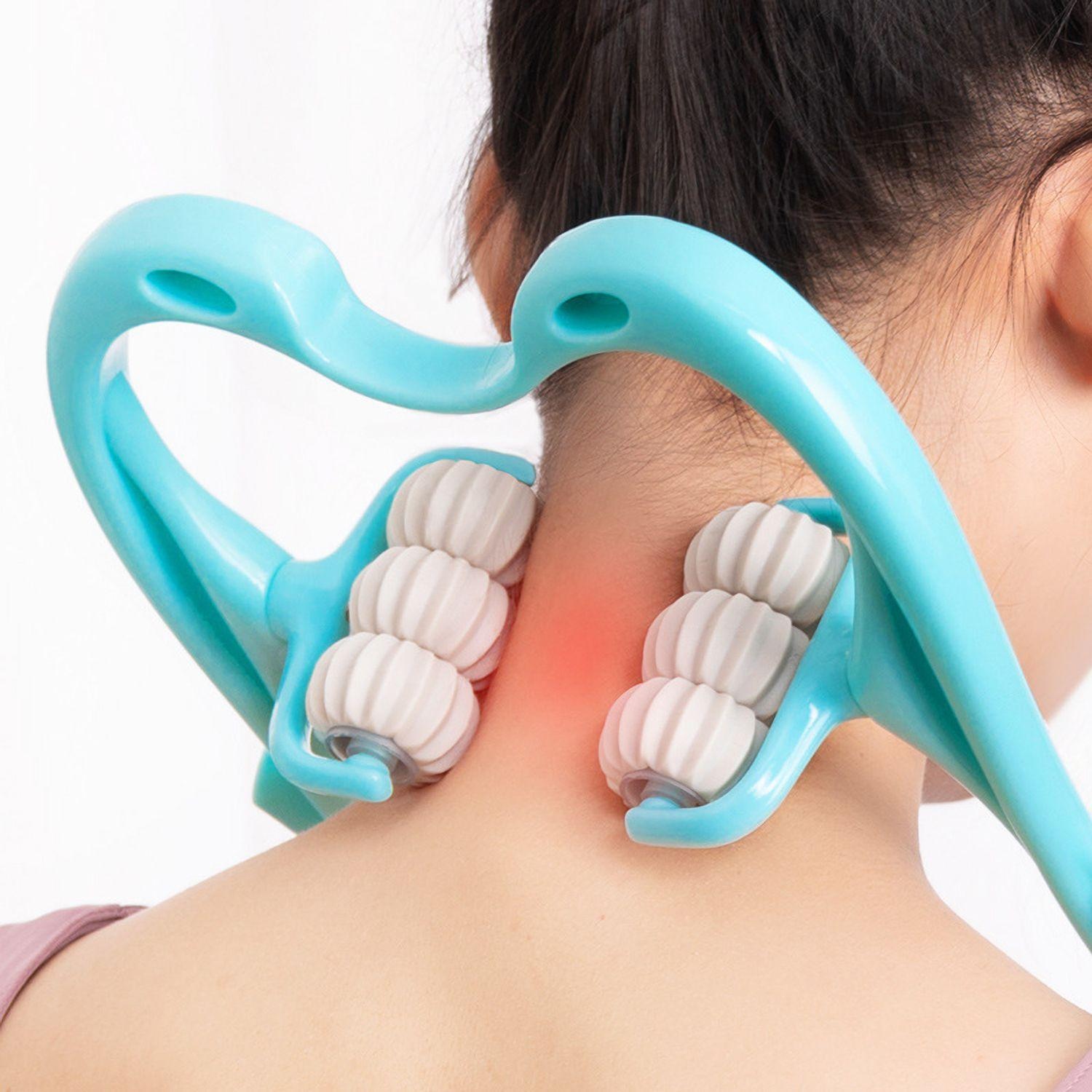
Most neck relief gadgets promise more than they deliver, but China-made massage rollers have quietly changed that expectation. From targeted pressure to daily tension release, the benefits go far beyond a quick feel-good moment—and HAOSHUFU is a brand that reflects this smarter approach. Here's why this simple tool deserves a permanent spot in your recovery routine.
A Small Tool That Gets Into the Spots Your Fingers Can't
There is a particular frustration in watching a crumb sit just beyond the reach of your fingertips. You press harder, twist your wrist, maybe try a key or a pen, but the space stays stubbornly out of range. A compact tool with a slim profile and a subtle hook changes the angle entirely. It slides past the narrow opening, follows the tight bend, and lifts out the debris that your hand was never shaped to grab.
What makes it useful is not just length but the controlled tip. You can work it around stitching, vent slats, window tracks, and the seams of electronics without gouging or forcing anything. Because the edge is narrow enough to enter gaps but soft enough to avoid scratching, it clears the kind of buildup that only becomes visible when it starts jamming a mechanism or showing up against dark fabric. It earns a place not by being complicated, but by fixing a small, recurring problem without setup or cleanup.
Rolling Out Tension After Hours at a Desk
The clock finally drags itself past six, and the last fluorescent panel overhead gives a tired flicker before I switch it off. My shoulders have been living somewhere near my ears since lunch, and my wrists still hold the ghost of a keyboard's edge. I roll a tennis ball against the wall with my upper back, letting the small, stubborn knot near my right shoulder blade complain before it starts to release. This is the part of the day nobody puts on a calendar, but it's the only reason tomorrow doesn't start already broken.
Instead of rushing to the door, I stay a few minutes longer. I lace my fingers behind my head, lean back until the chair creaks, and let my ribs open up. A slow neck roll sounds loud in the quiet office, every crack a reminder that I've been crumpled forward without noticing. The tightness doesn't vanish all at once; it loosens in layers, like ice letting go of a windshield. By the time I stand, my weight settles differently on my feet, and the drive home feels less like carrying the desk with me.
The Pressure You Control, Not the Other Way Around
Pressure gets a bad reputation, as if it's always something crashing down from outside like a deadline, a demanding client, or a crowded inbox. But the real shift happens when you stop treating pressure as an external force and start seeing it as a dial you can turn. Some days you narrow the focus to one clear next step, delete the noise, and choose a slower pace on purpose. Other days you lean forward, invite the tight timeline, and use that edge to cut through hesitation. Either way, the pressure is in your hands, not standing on your chest.
Most people wait for the perfect moment when things calm down, but that moment rarely arrives on its own. A more useful habit is to decide, in advance, what kind of pressure actually helps you move. Maybe a short, visible checklist beats a vague five-year plan. Maybe turning off notifications for ninety minutes creates more relief than a weekend away. When you name the pressure you want, you stop being surprised by the pressure you have.
This doesn't mean pretending stress isn't real or forcing a smile through exhaustion. It means catching the moment before pressure turns into panic, and asking a simple question: what would make this feel lighter or sharper right now? Sometimes the answer is a walk, sometimes a harder conversation, sometimes simply saying no to one more thing. The point is that you get to decide. Pressure stops being the boss when you start treating it as a tool.
Gentle Enough for Daily Use, Firm Enough for Real Relief
You don't need to choose between a pillow that feels like a cloud and one that actually holds your neck. This design threads that line carefully — soft enough to sink into every single night, yet structured in the places where tension likes to camp out. The first few minutes feel like a gentle give, the kind that invites you to exhale. But stay a while, and you'll notice it isn't collapsing under you. Instead, it pushes back just enough to keep your spine from drifting into weird angles while you sleep.
What makes it work for daily use is the absence of drama. No break-in period that leaves you sore for a week. No rubbery bounce that wakes you when you shift positions. The surface gives way without swallowing your head whole, while the core holds firm in that pocket between your ear and shoulder. Think of it as the difference between resting on a folded towel and pressing into a firm foam roller — this sits somewhere in the middle, where comfort isn't a trade-off and support isn't a punishment.
For mornings when your neck feels like it slept in a different time zone, the extra firmness shows up without being asked. A subtle lift along the cervical curve does the quiet work of realignment, not by forcing anything, but by simply not letting you sink into that familiar slump. It's the kind of relief that creeps up on you — you realize at 3 p.m. that the usual stiffness behind your shoulder blades never arrived. That's the point: gentle enough to forget about, firm enough to remember why you bought it.
A Quick Ritual That Leaves Your Neck Feeling Lighter
Most neck tension doesn't ask for an hour on a mat. It responds better to a short, deliberate reset—something you can do while the kettle boils or between calls. Start by placing both feet flat and letting your hands rest on your thighs. Take one slow inhale, then let your chin drop toward your chest just far enough to feel a soft pull at the base of your skull. Stay there for three breaths, not pushing, just allowing the weight of your head to do the work.
From that forward fold, roll your right ear toward your right shoulder and let your left shoulder blade slide down your back. Imagine the space between your ear and shoulder widening rather than collapsing. After a few breaths, shift to the other side. Then make small, slow circles with your nose—five in one direction, five in the other—keeping the movement smaller than feels natural. This isn't about stretching hard; it's about reminding the muscles that guarding isn't required right now.
Finish with your palms resting lightly on the back of your neck, elbows wide, and breathe into the spot where your neck meets your skull. Let your jaw unclench and your tongue drop from the roof of your mouth. Stand still for about thirty seconds. When you lift your head, the neck often feels less like a clenched fist and more like a balanced stack—easier to turn, nod, and carry through the rest of the day.
No Heat, No Cords, Just Targeted Muscle Relief
Plenty of recovery gadgets make you pick between being stuck near an outlet or dealing with a heating pad that never quite hits the right spot. This one removes that trade-off entirely. The relief comes from focused pressure, so there's no cord to untangle, no heat dial to fiddle with, and no waiting around for anything to warm up.
What stands out most is how little you have to do. Drop onto the couch, sit at a desk, or stretch out on the floor and press the unit against the muscle that's been complaining. It stays put while you adjust the angle or body weight, which makes it easier to work on one stubborn area without the surrounding muscles taking over.
That also means it fits into routines where heat feels too heavy and cords are a nuisance. It works quietly, keeps your hands free, and leaves the rest of your body alone instead of wrapping everything in warmth.
FAQ
It is usually smaller and shaped to follow the curve of the neck, with ridges or nodes that press into tight areas instead of just gliding over the surface. Many are made from firm plastic or wood, so they deliver more direct pressure than a soft foam roller.
Yes, but it works best as a targeted tool. Lying down with the roller under the base of your skull for a couple of minutes helps release the suboccipital muscles, and slow movement matters more than using heavy pressure.
For most people, five to ten minutes a day is enough. Short sessions prevent overworking muscles that are already irritated. If your neck feels worse afterward, back off and check your posture.
It can improve local blood flow, reduce that stiff feeling after waking up, and make it easier to turn your head. Some people also notice fewer tension headaches when they use it at the first sign of tightness.
Not universally. Anyone with a recent neck injury, nerve pain, radiating numbness, or spinal issues should check with a professional first. Avoid rolling directly on bones or the front of the neck.
Look for a roller with a stable shape, a firm surface, and maybe a slight arch or groove for the spine. Avoid anything too tall or wobbly, and if it is made of plastic, make sure the seams are smooth.
It gives steady, even pressure without tiring your hands, and it is quieter and cheaper than a massage gun. However, it cannot follow the exact contours of your muscles the way fingers can, so the two approaches complement each other.
Yes, many people use the same roller on the upper back, shoulders, forearms, or calves. The key is adjusting your body weight and angle so the pressure stays comfortable in each area.
Conclusion
Most neck relief tools ask you to work around their shape, but this roller does the opposite. Its compact profile lets you press into the ridges just below the skull and the tight bands beside the shoulder blades—areas that fingers tend to slide past. After a long stretch of screen time, a few slow passes can soften the stiff layer that builds across the upper back, and because the pressure is driven by your own hand, you can settle into a deeper angle on one side without forcing the other. That control matters more than people expect, especially when one side of the neck feels far tighter than the other.
There is also something refreshingly simple about it. You are not waiting for heat, managing cords, or finding an outlet; you just roll for a minute or two and get back to whatever you were doing. The sensation is firm without being punishing, which makes it easy to reach for on a daily basis. Over time that small habit adds up—shoulders drop a little, the base of the skull feels less clenched, and the neck doesn't carry the same weight at the end of the day. It won't replace professional care, but as an everyday reset it fills a gap that stretching alone rarely reaches.
Contact Us
Contact Person: Wang Chong Fong
Email: [email protected]
Tel/WhatsApp: 8618926872832
Website: https://www.dgxiangqin.com