

China Louver Damper Valve: Key Components for Efficient Airflow Control
2026-07-06
Effective airflow management hinges on components that balance precision and durability—and louver damper valves from China are setting new benchmarks. As industries worldwide prioritize energy efficiency, these valves play a pivotal role in regulating air volume and direction with minimal leakage. At the forefront of this innovation is THT, a brand that has redefined reliability in damper technology. But what makes their design stand out in demanding environments? And how do key components translate into tangible performance gains? Let’s dive into the engineering behind superior airflow control.
What Makes Louver Dampers Tick in Airflow Systems
At the heart of most louver dampers lies a simple but clever mechanical principle: multiple blades linked together to pivot in unison. Each blade, often an airfoil or flat plate, rotates on bearings or bushings, and a connecting bar or linkage ties them to a common actuator. When the actuator—typically electric, pneumatic, or manual—moves, it rotates all blades simultaneously, allowing precise control over the opening angle. This synchronized motion lets the system shift from fully open to fully closed with minimal force, which is why engineers rely on them for tight shut-off or modulating duty in HVAC and industrial ducts.
But the real finesse is in the sealing design. Many dampers use blade-edge seals and jamb seals that compress when closed, keeping leakage rates extremely low even under high pressure differentials. Some designs also incorporate thermal breaks or insulated blades to prevent condensation when handling cold airstreams. Material choice matters too—galvanized steel for general use, stainless steel for corrosive flows, or aluminum for light weight. These details make a huge difference in long-term reliability, especially in demanding environments like power plants or labs where airflow precision directly affects process outcomes.
On the control side, positioners and sensors complete the picture. An electric actuator might receive a 4–20 mA signal from a building management system, moving the blades to exactly the required angle and reporting back its status. In critical applications, fail-safe mechanisms (spring return or battery backup) drive the damper to a safe position during power loss, preventing backflow or pressure spikes. That blend of mechanical simplicity and smart automation is what makes louver dampers not just functional, but genuinely vital to maintaining stable, efficient airflow networks.
Material Smarts That Boost Valve Longevity
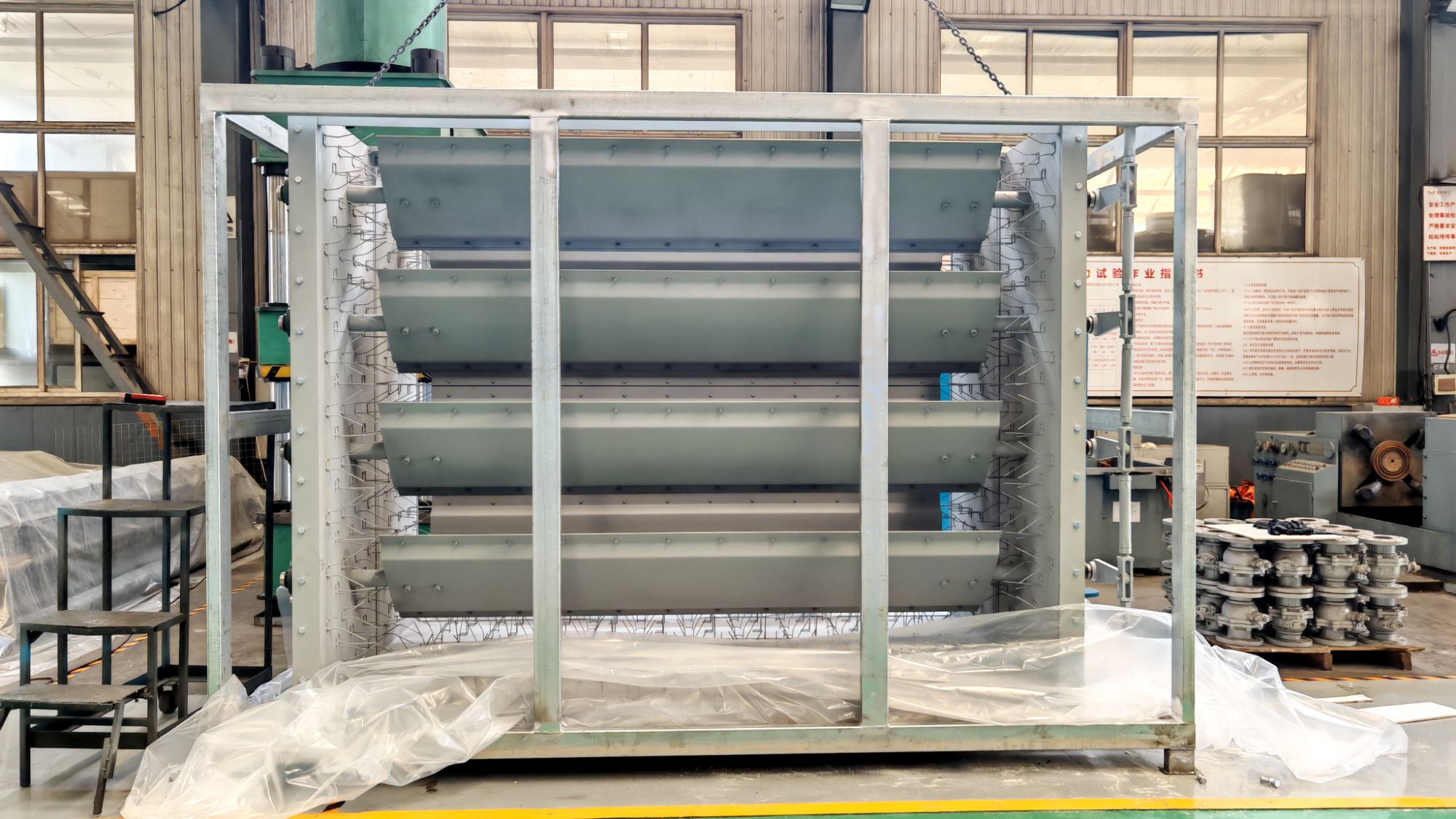
Choosing the right materials isn't just about picking the strongest alloy off the shelf—it’s about matching the metal to the mess it'll face. For instance, valves handling abrasive slurries benefit from hardened trim or ceramic coatings, while those in high-chloride environments thrive with duplex stainless steels that resist pitting far better than standard 316. A slight shift in composition can dramatically extend service life, sidestepping the frequent replacements that come from one-size-fits-all selections.
Temperature swings and pressure spikes don’t have to spell disaster. Materials with low thermal expansion coefficients keep seals tight when the heat is on, and precipitation-hardened alloys maintain strength without becoming brittle over time. Even the humble seat gets a second look: reinforced PTFE or peek-based polymers bring just enough give to form a perfect seal, yet hold their shape after thousands of cycles where cheaper plastics would creep or cold-flow.
Then there’s the overlooked trick of lining or cladding valve bodies. A carbon-steel core wrapped in a thin layer of Hastelloy or Monel gives you the toughness of steel with the corrosion resistance of an exotic metal—without the jaw-dropping price tag. It’s these smart compromises, backed by real-world field data, that let a valve shrug off aggressive media for years when a standard build would be eaten through in months.
Design Tweaks That Set Top Valves Apart
It's not always the grand engineering overhauls that make a valve stand out—sometimes the real difference lies in the subtle refinements that improve feel, reliability, and integration. A slight change in stem bushing geometry can eliminate that annoying backlash you only notice after a year of daily use, while a redesigned handwheel contour fits the palm more naturally when torque gets high. These aren't flashy upgrades, but they shift the user's entire relationship with the product from purely functional to instinctively right.
Take sealing surfaces, for instance: a top-tier manufacturer might add a micro-grooved texture to the seat ring that seems purely cosmetic, yet it dramatically reduces stiction without complex coatings that wear away. Similarly, reworking a bonnet seal profile so it maintains constant compression through thermal cycles often prevents the slow, creeping leaks that plague standard designs. Clever tweaks like extended spindle guides that stabilize the stem under side loads, or an internal drain path that channels condensation away from critical areas, show a level of thought that goes beyond checkbox engineering.
Even the material choices often tell a story of overlooked potential. Upgrading a packing gland from standard graphite to a proprietary graphitic composite can double the cycle life in dry steam service, yet it's barely mentioned in data sheets. Thoughtful design emerges in details like captive fasteners that never drop into the pipe during maintenance, or indexing features that guarantee correct reassembly every time. These are the hallmarks of valves that earn trust in the field—not because they look different on a specification sheet, but because they simply work longer and feel better in the hands of someone who uses them every day.
Energy Gains You’ll Notice on the Bills
One of the clearest signs of better energy use shows up right on your monthly statement. After swapping out older appliances or tweaking daily habits, many households see the kilowatt-hour figures drop without any drop in comfort. It starts as a small shift—maybe a few dollars shaved off—but over a full year the total feels like a bonus you didn’t expect.
Those savings pile up quietly. A smarter thermostat schedule, fewer phantom loads left plugged in overnight, and a move to LED lighting all chip away at waste. You might not feel the difference day to day, but the numbers don’t lie. A steady downward trend in usage costs often pops up within the first full billing cycle after these changes settle in.
What’s even better is when the bill becomes a monthly reminder of your choices. Instead of dreading opening the envelope, you start to see it as proof that small swaps add up. No extreme lifestyle changes required—just a handful of consistent tweaks that keep more money in your pocket and less energy slipping through the cracks.
Industries That Rely on These Workhorses
From dusty construction sites to sprawling agricultural fields, heavy-duty machinery forms the unseen backbone of modern productivity. Earthmovers, bulldozers, and excavators tackle the brute force tasks that shape our infrastructure, while tractors and combine harvesters drive the cycles of planting and reaping that feed nations. Without these mechanical giants, timelines would stretch and costs would soar, making them non-negotiable assets in environments where human muscle simply cannot compete.
Beyond the obvious arenas, specialized sectors like mining and forestry demand an entirely different breed of resilience. Underground loaders and longwall shearers operate in conditions that would cripple lesser equipment, extracting resources that power everything from smartphones to power grids. In timber operations, feller bunchers and skidders navigate rugged terrain to harvest wood efficiently, proving that reliability in extreme settings isn't just a selling point—it's a survival prerequisite.
Even the logistics and maritime industries quietly depend on these workhorses to keep global trade flowing. Container handlers at ports, massive forklifts in warehouses, and tugboats guiding colossal ships all play critical roles in a chain where downtime translates directly to lost revenue. Their steady, unglamorous performance ensures that shelves stay stocked and raw materials arrive on time, cementing their status as the silent partners of economic continuity.
Keeping Valves in Shape Without the Fuss
Valve maintenance often gets pushed to the bottom of the to-do list, but a little attention here and there can save you from major headaches later. The trick lies in building small, consistent habits rather than waiting for obvious trouble signs. For most setups, a quick visual scan once a month is plenty—look for any seepage around the stem or body, and keep an ear open for odd noises when the valve cycles. If something seems off, it's easier to address it now than after a full failure.
Lubrication tends to be overlooked until a valve becomes stiff or starts squeaking. A thin coat of the right grease on the threads and stem does wonders, but drowning it in lubricant just attracts dirt. Also, remember that not all valves need the same treatment—a bronze gate valve in a water line behaves differently from a stainless ball valve handling chemicals. Knowing what your valve actually does and what it's made of helps you avoid well-meaning mistakes that accelerate wear.
Exercise is just as important for valves as it is for people. If a valve sits in one position for months on end, deposits build up and seals can deform. Twice a year, work it through its full range—open to close and back again—then leave it in its usual state. This simple habit keeps sealing surfaces clean and prevents that dreaded moment when you need to shut off the water and the handle won't budge. It's the kind of effortless prevention that keeps everything humming along without drama.
FAQ
Think of it as a precision gatekeeper for air or gas flow. A louver damper valve uses multiple adjustable blades that can pivot in unison to regulate volume, pressure, or completely shut off the flow. It’s crucial because it maintains process stability, protects downstream equipment from surges, and optimizes energy use in everything from power plants to cleanroom HVAC.
Many in China emphasize a blend of proven engineering with modern adaptability. Instead of one-size-fits-all, you’ll often find a strong focus on modular designs that can be tailored to extreme temperatures, corrosive environments, or tight spaces. There’s also a noticeable push toward quick prototyping and integrating local material innovations to meet both domestic and international standards without overcomplicating the structure.
It really depends on the application. For general HVAC, galvanized steel or aluminum is common. But when you’re dealing with flue gas or chemical exhaust, you might see stainless steel like 304 or 316L, sometimes even duplex alloys. Seals are often silicone or PTFE for lower temperatures, but in high-heat scenarios, metal-to-metal seating with flexible metal strips ensures a tight shut-off without degrading.
Absolutely, but not all are built that way. A properly engineered louver damper can act as a modulating valve to fine-tune airflow and then seal tightly when fully closed. The trick is in the blade profile, linkage mechanism, and actuator selection. Some designs use overlapping blades with a cam-action that presses them firmly against the frame only in the last few degrees of travel, giving you the best of both worlds.
The actuator is the muscle and brain of the operation. For simple on/off tasks, a pneumatic cylinder or electric motor might suffice. But when you need real-time modulation, a smart electric actuator with position feedback and communication protocols like Modbus or 4-20mA lets you dial in exact blade angles. This is vital in processes where even a small pressure fluctuation can spoil product quality or safety.
It’s a combination of smart design and rigorous testing. Beyond the seal material choice, designers often incorporate thermal expansion gaps, labyrinth-style blade edges, and air purge connections. In China’s industrial valve sector, it’s now routine to see in-house fugitive emission testing at high pressures and temperatures, ensuring that the valve meets API or ISO leakage classes before it ever leaves the shop floor.
It’s not just about cost anymore. Many Chinese producers have invested heavily in R&D, resulting in valves that rival global brands in durability and performance. You’ll find features like streamlined blade profiles that reduce turbulence, self-cleaning seal arrangements, and highly responsive actuator integrations. The real differentiator is often the speed of customization—being able to deliver a project-specific solution in weeks rather than months.
Definitely. Power generation, especially coal-fired and gas turbine plants, relies on large louver dampers for flue gas and secondary air control. The cement and steel industries use them in high-dust, high-temperature off-gas systems. But they’re also critical in marine applications, tunnel ventilation, and even data center cooling, where precise air distribution directly impacts energy efficiency and equipment lifespan.
Conclusion
Louver damper valves play a critical role in managing airflow across countless systems, using linked blades that pivot together to control volume and direction with surprising precision. The secret to their smooth operation often lies in the finer details—blade profile, bearing design, and seal placement all have to work in harmony. What makes quality valves stand out is the marriage of robust materials and clever engineering: corrosion-resistant alloys or specialized coatings extend service life even in harsh, high-temperature environments, while thoughtful design tweaks like low-leakage seals or aerodynamic blade shapes minimize turbulence and pressure drop. These components don’t just last longer; they keep the entire system humming without the excessive wear and tear that leads to costly downtime.
Beyond reliability, well-designed louver dampers deliver tangible energy savings that show up directly on operating bills, particularly in HVAC and industrial ventilation setups where fan loads are trimmed. Power generation, petrochemical processing, cement production, and large-scale commercial buildings are just a few of the sectors that depend on these workhorses day in and day out. The best part? Keeping them in top shape is refreshingly straightforward—occasional linkage checks, blade alignment inspections, and basic lubrication go a long way. In practice, a modest maintenance routine keeps the valves responsive and efficient, which directly supports consistent process control and comfort without the fuss of constant intervention.
Contact Us
Contact Person: Su Zhang
Email: [email protected]
Tel/WhatsApp: +86-25219206
Website: https://www.tht-valve.com/