

Calcium Chloride 94% Pellets Supplier Selection Tips for Industrial Buyers
2026-11-16
Sourcing calcium chloride 94% pellets for industrial use is rarely as simple as comparing a spec sheet. Moisture content, packaging integrity, and on-time consistency can vary widely from one supplier to the next, and those differences usually show up only after a shipment reaches your facility. That makes supplier selection just as important as the product itself. In the tips that follow, industrial buyers will find practical criteria for screening vendors—and a closer look at why operations consistently turn to Shouguang Golden Chemical for reliable pellet supply. Read on before your next purchase decision.
Get the Lab Report Before You Accept the Spec Sheet
A spec sheet is a sales document first and a technical reference second. It lists the numbers the manufacturer wants you to see, often under conditions chosen to flatter the product. A lab report from an independent or accredited facility shows what happens when someone with no stake in the sale runs the same tests. That difference matters more than the headline values.
Look for mismatches between the two documents. A coating may claim 95 percent adhesion on blasted steel, but the lab report might reveal that figure drops sharply after 500 hours of salt spray or at temperatures below 40 degrees Fahrenheit. A polymer might carry an impressive tensile strength at room temperature while losing half its stiffness once it reaches 120 degrees Fahrenheit. The spec sheet rarely tells you which variables were held constant to produce the star rating. The lab report usually does, if you read the fine print on sample preparation and test duration.
Before signing off on a material or component, put the two side by side and compare not just the numbers but the test methods, conditioning periods, and batch numbers. If the supplier hesitates to share a full report, or sends a summary with no raw data, treat that hesitation as part of the decision. A reliable product does not need a polished spec sheet to hide behind.
Test a Sample Batch Under Your Own Handling Conditions
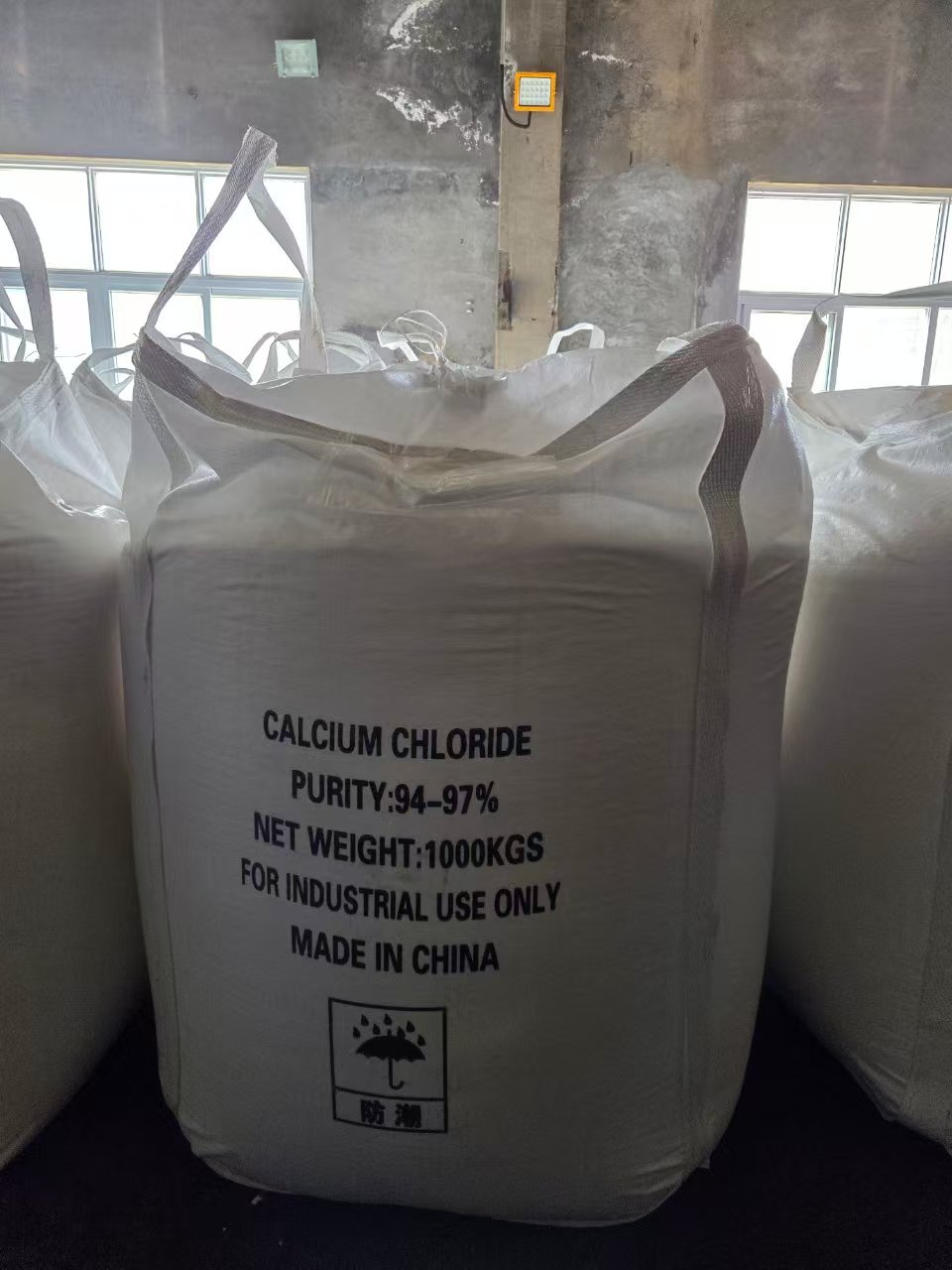
Running a small trial before committing to a full production run is the most reliable way to see how a material actually behaves in your facility. What looks fine on a spec sheet can shift once it passes through your specific feeders, dryers, or packaging lines. Grab a few kilograms, process them exactly as you would a normal order, and pay attention to the little things: dust levels, flow through hoppers, color consistency under your own lighting. These details rarely show up in standard reports but matter a lot on the floor.
One overlooked step is testing under less-than-ideal conditions. Your plant might be more humid in summer, or your night shift might handle materials differently than the day crew. A sample batch run during a regular shift, with operators who haven’t been briefed on expectations, gives you a clearer picture than a supervised demo. Note where jams happen, how much residue stays in the line, and whether the finished goods meet your internal quality checks without extra adjustments.
Keep a simple record of what you observe, including photos or short videos of any trouble spots. This becomes your baseline for comparing future lots and gives your supplier concrete feedback instead of vague complaints. Even a single well-documented trial run can save weeks of downtime later, because you catch mismatches before they scale into expensive problems.
Check Fines and Pellet Strength Before the First Truck Arrives
Run a screen check on the material sitting at the loadout before the first truck pulls onto the scale. Fines tend to concentrate near the bin walls and discharge points, so pull samples from several spots rather than one grab. If the fine fraction is already at or above spec, loading will only make it worse once the trailer starts moving.
Pellet strength needs the same attention. Take ten or twelve pellets from the same composite sample and break them one by one with a force gauge. Record the lowest value, not just the average. A few soft pellets can shatter during transport and turn into fines inside the trailer, which is exactly what the customer will notice when they open the hatch.
If either check fails, keep the truck waiting and fix the source before filling the trailer. Adjust the screener, check die temperature or moisture, and pull a fresh sample. A short delay at the loadout costs far less than unloading a rejected shipment at the customer's bin.
Map Out Delivery Schedules Around Your Peak Season
Look at the last two years of orders by week, not just by month. A peak season is rarely a single spike; it is a cluster of narrow windows driven by promotions, weather, or regional buying habits. Once those windows are clear, lock in pickup slots and backup capacity with carriers before rates climb. Treat the schedule as a living document: adjust cutoffs for specific ZIP codes or product lines instead of stretching every route at once.
Run a scaled-down dry run two to three weeks ahead. Put temporary staff on the exact packing and loading tasks they will own, and keep your most experienced people at sorting bottlenecks where mistakes multiply. Stagger shifts around the busiest two-hour blocks rather than extending everyone for the same long day. A weekly fifteen-minute carrier check-in can reveal which lanes are slipping before they turn into customer complaints.
Move fast-moving stock closer to buyers through micro-fulfillment or store-level inventory, and use pre-orders or bundles to flatten demand on bulky items. Show a clear order-by date and time at checkout instead of a vague delay notice. After the final rush, reserve a couple of buffer days for returns, address corrections, and carrier claims so the next season starts clean.
Lock In Moisture and Impurity Limits in the Purchase Order
Specifying exact moisture and impurity thresholds before signing can save you from receiving material that looks acceptable on paper but behaves unpredictably in production. Instead of relying on a supplier's standard certificate, write the acceptable ranges directly into the order terms — for example, moisture below 0.5% or ash under 0.3% — and reference the test method that will be used to verify them. This turns a vague promise into a measurable obligation.
When both parties agree on these limits in advance, rejections become less personal and more procedural. A batch that arrives slightly damp or with extra fines no longer triggers a round of negotiations; it triggers the agreed correction or replacement path. You also reduce the chance of mixing borderline inventory into your process, which can quietly shift product consistency over time.
To keep the clause practical, tie the numbers to what your downstream equipment and quality targets can actually tolerate. Overly tight limits raise cost without adding value, while loose ones let variability creep in. Revisit the figures whenever your process or sourcing region changes, and keep a record of actual inbound test data so the purchase order language reflects reality rather than guesswork.
Qualify a Backup Supplier While Supply Is Still Calm
Most teams treat backup suppliers as an emergency purchase order waiting to happen. The problem is that by the time the primary source stumbles, you are negotiating from a weak position and settling for whoever can ship fastest. Qualifying a backup while supply is calm gives you the time to test how a supplier actually behaves when the pressure is off. You can look past the polished sales pitch and check their material buffers, quality systems, and willingness to share capacity plans.
Start with a small pilot order, not because you need the volume, but because it forces both sides to work through real documentation, tolerances, and communication rhythms. Use that order to observe how they handle a change request or a delayed inbound component. Also sit down with the people who would run your account, not just the business development team. Their answers about past disruptions, floor-level problem solving, and raw material access often tell you more than an audit checklist.
Make the relationship durable before you need it. Agree on pricing bands, minimum order quantities, lead time windows, and confidentiality while there is still room to walk away. That way, when a disruption hits, you are not scrambling to qualify someone in two weeks; you already have a supplier that understands your specs, knows your quality expectations, and has seen your cadence. A calm period is not downtime for sourcing. It is the only realistic chance to build a backup that is ready before the first failure happens.
FAQ
Start with the actual certificate of analysis from a recent production batch, not just a sell sheet. Compare the listed calcium chloride content, moisture level, and insoluble matter against your process tolerances. Then ask which lab performed the testing and whether the supplier will share results for each shipment before it leaves their site.
Request retained samples from three to five separate production runs and test them independently if possible. Look at the range of variation rather than a single favorable number. A supplier that hesitates to provide batch-level data or only offers a typical specification sheet may be masking inconsistency.
Calcium chloride absorbs moisture quickly, so packaging directly affects how well the pellets hold their shape and free-flowing character in your equipment. Ask about liner type, bag sealing method, pallet configuration, and whether the product is stored under covered conditions. Poor packaging can turn usable pellets into a caked mass before they reach your facility.
Ask where the product is sourced, how long it sits before shipping, whether blending or drying is done in-house, and how the supplier protects inventory from humidity. Also check whether they have a documented quality control procedure for incoming raw material and outgoing finished pellets.
A lower unit price means little if the supplier cannot meet your delivery window or routinely ships partial loads. Clarify the realistic lead time for full truckloads, their warehouse locations, and what happens during peak demand periods. Consistent availability often outweighs a small price difference when downtime is expensive.
Watch for vague answers about country of origin, unwillingness to provide batch test reports, frequent changes in packaging specs, or quotes that seem disconnected from current raw material costs. Other warning signs include no clear returns policy for off-spec material and poor communication after the first inquiry.
Total delivered cost is usually the better guide. Include freight, pallet charges, potential demurrage, offloading requirements, and the cost of rejecting or reworking off-spec material. A cheap product that arrives wet or late can easily erase the initial savings.
Ask about their stockholding policy and past performance during winter or dust-control seasons, when calcium chloride demand tends to spike. A supplier with dedicated storage capacity and a track record of honoring allocated volumes is more dependable than one that only sources material after receiving your order.
Conclusion
Calcium chloride pellets can look identical from two suppliers and behave very differently once they hit your hoppers, so treat a vendor's polished spec sheet as a starting point rather than proof. Ask for the lab report tied to the specific lot you would receive, not a generic product datasheet, and then run a small sample through your own unloading, conveying, and storage setup before committing to volume. Pay particular attention to the fines that shake out during transit and the crush strength of the pellets after they have tumbled around in a bin; soft pellets that turn to dust can clog augers and create messy, uneven application. When the purchase order is drafted, spell out the moisture ceiling and the impurity thresholds you are willing to accept, because these are the numbers that will matter if a dispute arises later.
Once the technical side checks out, the conversation should shift to logistics and redundancy. Build delivery windows around the months when your site consumes the most material, and make sure trucks can actually arrive during those windows rather than assuming a supplier's standard lead time will hold. It is also worth qualifying a second source before winter demand or another supply squeeze leaves you with no leverage; a backup supplier that has already seen your receiving process and accepted a trial order is far more useful than a name on a list. Locking in clear quality limits, testing early, and keeping at least one alternate route open will do more to protect your operation than any sales presentation ever will.
Contact Us
Contact Person: Tom Cui
Email: [email protected]
Tel/WhatsApp: +8618663670626
Website: https://www.jinjigoldenchem.com