

Battery Foil Rolling Mills: Advanced Technology for High-Quality Manufacturing
2026-03-19
In the evolving landscape of battery technology, where efficiency and quality are paramount, the role of advanced manufacturing processes often remains behind the scenes. Yet, it's precisely these innovations that drive the performance of modern energy storage solutions. Enter GRM's Battery Foil Rolling Mills—a cutting-edge approach transforming how high-quality foils are produced for batteries. This blog delves into the technology powering these mills, exploring how they enhance precision, durability, and sustainability in manufacturing, ultimately setting new standards in the industry. Discover the engineering marvels that make GRM a leader in this specialized field.
Innovative Design Features in Modern Battery Foil Mills
In modern battery foil mills, one standout feature is the integration of advanced automation systems that enhance precision and consistency. These systems utilize real-time data analytics to monitor and adjust parameters such as foil thickness, tension, and speed during production. This allows for tighter tolerances and reduced material waste, which is crucial in the competitive battery manufacturing industry. Additionally, the mills often incorporate high-precision sensors and digital controls that can detect minute variations, ensuring that each batch meets stringent quality standards without constant manual intervention.
Another key innovation lies in the specialized coating and rolling technologies employed in these mills. They are designed to handle ultra-thin foils, commonly used in lithium-ion batteries, with improved surface uniformity and mechanical properties. For instance, some mills feature multi-stage rolling processes that gradually refine the foil to achieve optimal grain structure and electrical conductivity. This not only boosts battery performance but also extends the lifespan of the foil under repeated charging cycles. The use of custom alloys and advanced lubrication systems further minimizes friction and wear, contributing to smoother operations and longer equipment durability.
Environmental and energy efficiency aspects have also become focal points in the design of modern battery foil mills. Manufacturers are increasingly adopting closed-loop cooling systems and energy recovery mechanisms to reduce water and power consumption. This aligns with broader sustainability goals in the battery sector, helping to lower the overall carbon footprint of production. Moreover, ergonomic and modular designs facilitate easier maintenance and upgrades, allowing mills to adapt quickly to evolving technological demands. These features collectively make modern mills more resilient and cost-effective, giving companies a competitive edge in a rapidly advancing field.
Enhancing Production Efficiency with Automated Control Systems
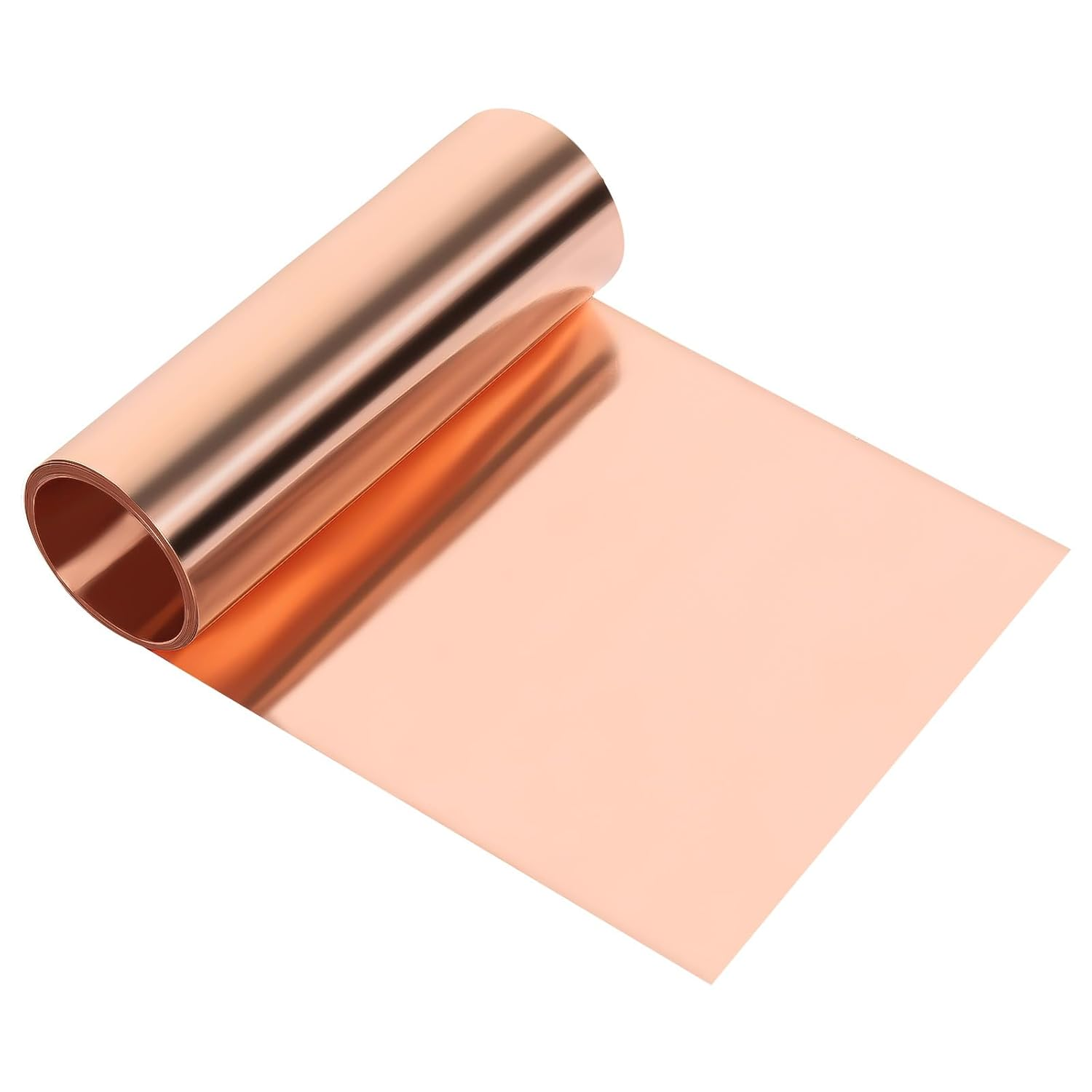
In today's fast-paced industrial landscape, boosting production efficiency isn't just a goal—it's a survival tactic. Automated control systems dive deep into this challenge by taking over repetitive, high-precision tasks that humans might find tedious or error-prone. Imagine a factory floor where machines self-adjust in real-time to meet output targets, cutting down on manual oversight and slashing waste. These systems don't just work harder; they work smarter, learning from data patterns to fine-tune processes on the fly. The result? A smoother workflow that ramps up throughput without compromising quality, giving businesses a clear edge in competitive markets.
What sets modern automated controls apart is their adaptability and seamless integration. Unlike rigid, old-school setups, today's systems blend with existing infrastructure, offering plug-and-play solutions that scale as needed. They monitor everything from energy consumption to equipment health, spotting inefficiencies before they balloon into costly downtimes. Picture a scenario where sensors detect a minor deviation in temperature or pressure, and the system instantly recalibrates, nipping potential issues in the bud. This proactive approach not only keeps production humming but also extends the lifespan of machinery, translating into long-term savings and reduced environmental impact through optimized resource use.
Beyond mere automation, these systems foster a culture of continuous improvement by providing actionable insights. Workers shift from mundane monitoring roles to strategic oversight, leveraging data dashboards to make informed decisions. For instance, a food processing plant might use such tools to track ingredient usage and adjust recipes dynamically, ensuring consistency while minimizing spoilage. It's about empowering teams with real-time visibility, turning every shift into an opportunity to innovate. Ultimately, embracing automated controls isn't just about upgrading technology—it's about reshaping how industries operate, driving efficiency gains that ripple across supply chains and redefine what's possible in production.
Precision Engineering for Superior Quality Foil Output
At the heart of exceptional foil production lies a commitment to precision engineering—a meticulous process that transforms raw materials into flawless, high-performance products. Every stage, from initial material selection to final inspection, is guided by advanced technologies and rigorous standards. This approach ensures that each foil sheet meets exact specifications, delivering consistency and reliability that sets it apart in demanding applications.
By integrating cutting-edge automation with skilled craftsmanship, we achieve a level of accuracy that minimizes defects and enhances durability. Our engineers focus on tight tolerances and seamless finishes, resulting in foil that not only performs under pressure but also maintains its integrity over time. This blend of innovation and attention to detail creates output that consistently exceeds expectations in both form and function.
Ultimately, this dedication to superior quality means our foils offer unmatched precision in every use, from industrial packaging to specialized manufacturing. It’s the reason professionals trust our products for critical tasks, knowing they can rely on a flawless finish and optimal performance every time.
Sustainable Practices in Battery Foil Manufacturing
In the battery foil manufacturing sector, sustainable practices are increasingly recognized as essential for reducing environmental impact and improving operational efficiency. Manufacturers are adopting innovative techniques such as closed-loop water recycling systems, which significantly cut down on water consumption and minimize waste discharge. By integrating energy-efficient machinery and optimizing production processes, companies not only lower their carbon footprint but also achieve cost savings through reduced energy usage. These efforts align with global sustainability goals, making the industry more resilient and forward-thinking in the face of regulatory pressures and consumer demand for eco-friendly products.
Material selection plays a crucial role in promoting sustainability within battery foil manufacturing. Many producers are shifting towards using recycled aluminum or sourcing raw materials from responsible suppliers to minimize resource depletion and environmental harm. Advanced coating technologies that eliminate hazardous chemicals further enhance the eco-friendliness of the final product, ensuring safer disposal and recycling options. This focus on green materials not only supports circular economy principles but also boosts the overall performance and longevity of batteries, contributing to a more sustainable energy storage ecosystem.
Beyond technical innovations, sustainable practices in battery foil manufacturing extend to corporate strategies and community engagement. Companies are implementing comprehensive sustainability reports and transparency initiatives to build trust with stakeholders and demonstrate their commitment to environmental stewardship. Collaborations with research institutions drive continuous improvement in sustainable methods, fostering innovation that sets the industry apart. By embracing a holistic approach, manufacturers can lead the way in reducing global reliance on finite resources while producing high-quality foils that meet the growing needs of electric vehicles and renewable energy systems.
Customizable Solutions for Diverse Industry Applications
In today's rapidly evolving market, businesses across sectors face unique challenges that demand tailored approaches rather than one-size-fits-all strategies. Our solutions are designed to adapt to the specific needs of industries ranging from healthcare to manufacturing, ensuring that each client receives a fit-for-purpose system that enhances efficiency and drives growth.
By collaborating closely with clients, we develop flexible frameworks that can be adjusted as requirements change, allowing for seamless integration into existing workflows without disrupting operations. This adaptability empowers organizations to stay ahead of industry trends while maintaining a competitive edge through innovative, customized tools.
Whether addressing compliance in finance or sustainability in energy, our customizable offerings provide the precision needed to tackle diverse applications effectively, fostering long-term partnerships built on trust and tangible results.
Future Trends in Battery Foil Rolling Technology
Advancements in battery foil rolling technology are poised to revolutionize energy storage, shifting focus toward ultra-thin foils for higher energy densities. Innovative approaches target reducing thickness while enhancing durability to withstand repeated charging cycles. These developments aim to cut production costs and improve efficiency, making electric vehicles and portable electronics more accessible and reliable.
Emerging trends also include integrating smart sensors and AI-driven controls into rolling mills to monitor foil quality in real-time, minimizing defects and waste. This precision manufacturing enables customization for various battery chemistries, like solid-state or lithium-sulfur, adapting to diverse industrial demands and accelerating the shift to sustainable energy solutions.
Additionally, eco-friendly production methods are gaining traction, emphasizing recycling scrap metal and using energy-efficient processes to reduce environmental impact. Collaboration between research institutions and manufacturers is fostering breakthroughs, such as novel alloy compositions and nano-coatings, which enhance conductivity and safety, pushing boundaries in next-generation battery design.
FAQ
Battery foil rolling mills are essential due to their ability to produce ultra-thin, uniform foils required for high-performance batteries, ensuring consistent quality and efficiency in energy storage applications.
Advanced technologies, such as precision control systems and automated tension management, enhance foil uniformity, reduce defects, and optimize thickness variations, leading to higher durability and performance in batteries.
Challenges include maintaining precise thickness and avoiding surface imperfections; this is tackled through real-time monitoring, adaptive rolling processes, and specialized material handling techniques to ensure flawless production.
Optimized mill designs incorporate energy-efficient motors, heat recovery systems, and reduced friction components, cutting operational costs and aligning with sustainable manufacturing practices.
They enable the production of thinner, more robust foils needed for advanced battery types, supporting material flexibility and scaling up for next-generation energy solutions without compromising quality.
By speeding up foil production with faster cycle times and reduced downtime through predictive maintenance, mills shorten manufacturing cycles, boosting output and meeting growing market demands efficiently.
These mills include emergency stop systems, automated safety guards, and real-time hazard detection, minimizing risks and ensuring a secure working environment while maintaining high throughput.
Conclusion
Battery foil rolling mills represent a significant technological leap in manufacturing high-quality foils essential for energy storage applications. Modern mills incorporate innovative design features, such as advanced roll configurations and cooling systems, ensuring precise control over foil thickness and uniformity. These mills are engineered to enhance production efficiency through automated control systems that monitor and adjust parameters in real-time, minimizing waste and maximizing throughput. Precision engineering is paramount, enabling the production of superior quality foil with consistent mechanical properties and surface finishes, crucial for battery performance and longevity. By integrating sustainable practices, these mills reduce energy consumption and material waste, supporting eco-friendly manufacturing processes.
The adaptability of battery foil rolling mills is highlighted through customizable solutions tailored to diverse industry applications, from automotive to consumer electronics, meeting specific requirements for flexibility and durability. Looking ahead, future trends in this technology focus on further automation, digitalization, and material innovations, driving efficiency gains and quality improvements. This ensures the continuous evolution of battery foil manufacturing, positioning it as a key enabler in the advancement of renewable energy and portable power solutions worldwide.
Contact Us
Contact Person: Rayna
Email: [email protected]
Tel/WhatsApp: 86 -173 1474 6343
Website: https://www.grmrollingmill.com/