

4G/5G Radio Optimization: Unveiling the Best Wireless Technology Solutions
2025-12-25
In today's fast-paced digital landscape, staying connected is more crucial than ever. As we navigate through the complexities of wireless technology, the choice between 4G and 5G often leaves users and businesses alike wondering: which truly delivers the best optimization for our needs? At lisheng, we believe that understanding these technologies isn't just about speed—it's about unlocking reliable, efficient, and future-ready solutions that empower every connection. In this blog, we'll dive deep into the nuances of 4G and 5G radio optimization, shedding light on the hidden factors that shape your wireless experience. Join us as we explore innovative strategies and practical insights to help you make informed decisions and elevate your network performance. Are you ready to discover how small tweaks can lead to big leaps in connectivity?
Enhancing Network Performance with Advanced 4G/5G Optimization Techniques
The relentless surge in mobile data consumption, driven by high-definition streaming, immersive gaming, and IoT proliferation, underscores the critical need for fine-tuning network performance in the 4G/5G era. Advanced optimization techniques are pivotal, moving beyond basic coverage expansion to tackle nuanced challenges like handover efficiency, spectral efficiency, and latency. For instance, implementing adaptive modulation and coding allows networks to dynamically adjust data transmission rates based on real-time signal quality, minimizing packet loss and boosting throughput. These optimizations not only uphold user experience but also enable future applications such as autonomous vehicles and remote surgery, which hinge on ultra-reliable low-latency communication.
Delving deeper into practical applications, features like carrier aggregation—a cornerstone in 4G and 5G—exploit multiple frequency bands simultaneously to increase bandwidth and data rates. Combined with advanced beamforming and massive MIMO (Multiple Input Multiple Output) technologies, networks can focus signals precisely toward users, reducing interference and enhancing capacity in dense urban areas. Carrier aggregation, for example, might merge fragmented spectrum resources into a cohesive pipeline, ensuring smoother video calls and faster downloads. Such optimizations are crucial as they adapt networks to varying traffic patterns, preventing congestion and maintaining consistent performance during peak hours.
Moreover, proactive optimization leverages intelligent analytics and AI-driven tools to predict and mitigate performance bottlenecks before they impact users. Predictive algorithms can analyze historical data to forecast network congestion, automatically reallocating resources or adjusting parameters in real time. This shift from reactive fixes to proactive management helps carriers stay ahead of demand curves, ensuring seamless connectivity in evolving scenarios like smart cities or industrial automation. Ultimately, these advanced techniques redefine network resilience, making 4G/5G infrastructures not just faster, but smarter and more adaptable to tomorrow's digital ecosystem.
Key Strategies for Seamless Wireless Connectivity in Modern Environments
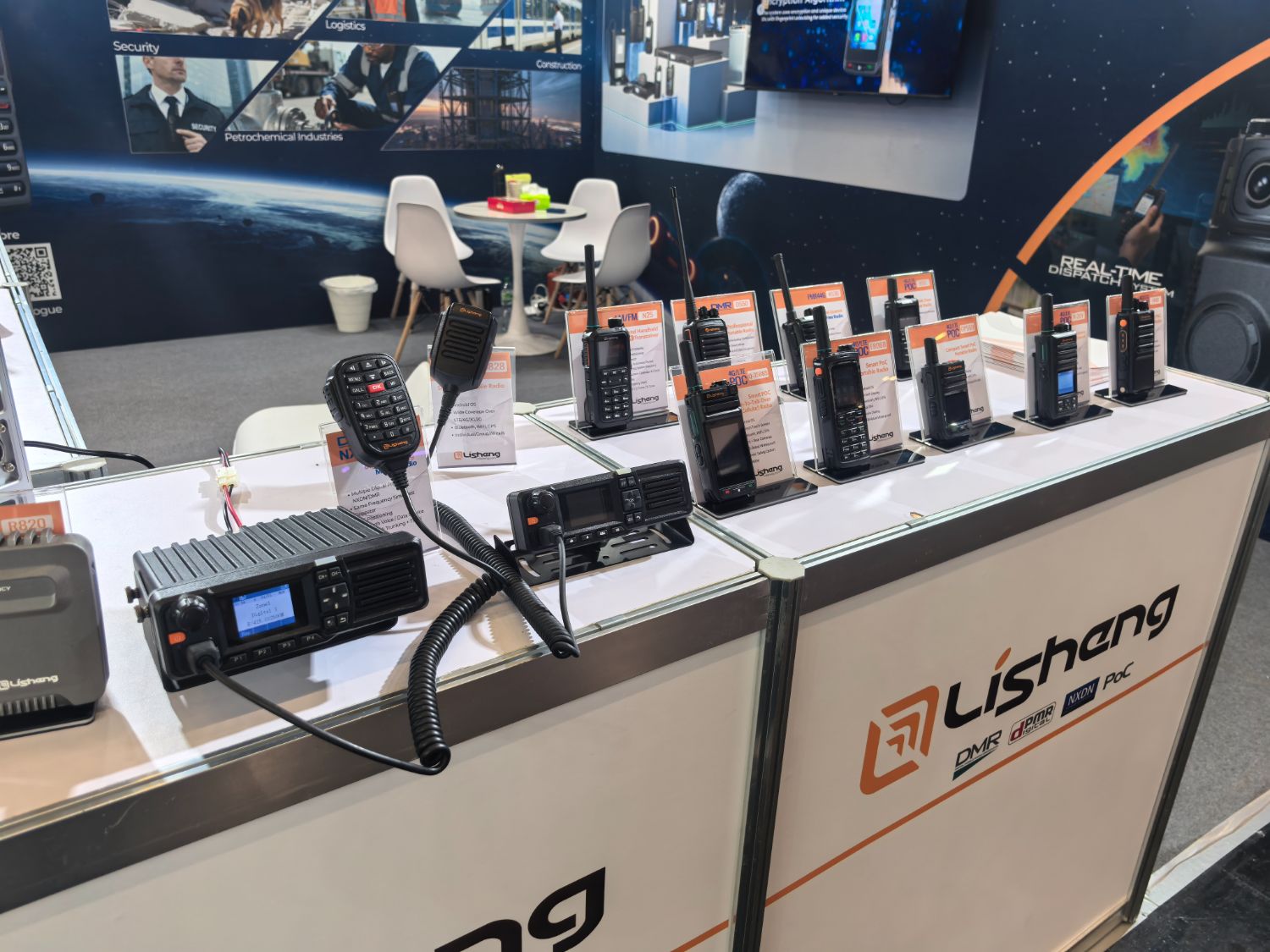
In today's fast-paced digital landscape, ensuring smooth wireless connectivity requires a proactive approach that goes beyond standard network setups. Businesses and individuals alike must adopt dynamic strategies, such as implementing mesh networks that intelligently adapt to changing environments and user demands. By leveraging real-time analytics and predictive algorithms, these systems can pre-emptively address potential interference sources—like busy conference rooms or outdated hardware—before they disrupt performance. This shift from reactive troubleshooting to anticipatory management not only boosts reliability but also enhances user satisfaction by delivering consistent, high-speed access across diverse settings.
Moreover, integrating edge computing with wireless infrastructure provides a unique advantage in modern environments, particularly in settings with high device density like smart offices or industrial IoT hubs. By processing data closer to the source, this strategy reduces latency and bandwidth strain, enabling seamless connectivity even during peak usage. For example, in a collaborative workspace, edge nodes can prioritize critical applications like video conferencing over less urgent tasks, ensuring uninterrupted workflows. This targeted optimization fosters a more resilient network that thrives under pressure, setting it apart from one-size-fits-all solutions.
Finally, embracing hybrid connectivity models that combine 5G, Wi-Fi 6E, and even satellite links can future-proof wireless ecosystems against evolving challenges. In urban complexes or remote locations, this multi-faceted approach ensures redundancy and flexibility, allowing users to switch between networks seamlessly without manual intervention. By customizing these strategies to specific environmental factors—such as building materials or geographic obstacles—organizations can create a truly integrated experience that feels effortless and tailored, rather than generic or fragmented.
Comparing 4G and 5G: Advantages and Practical Applications
When comparing 4G and 5G, it's clear that 5G isn't just a subtle upgrade—it's a leap forward that fundamentally changes what's possible. While 4G brought us reliable mobile broadband and enabled applications like HD video streaming and ride-sharing apps, 5G ramps up the speed, latency, and capacity to new heights. For instance, where 4G might peak at around 100 Mbps in real-world conditions, 5G can easily hit gigabit speeds, making downloads almost instantaneous. But it's not all about raw speed; 5G's ultra-low latency, often under 10 milliseconds, opens doors to real-time interactions that 4G simply can't support, such as remote surgery or immersive augmented reality experiences. In terms of practical applications, 4G has been the backbone of our current mobile ecosystem, but 5G is poised to drive innovations in smart cities, autonomous vehicles, and the Internet of Things (IoT), where massive numbers of devices need to communicate seamlessly.
One of the most talked-about advantages of 5G over 4G is its ability to handle a much higher density of connected devices. With 4G, networks can become congested in crowded areas like stadiums or city centers, leading to slower speeds and dropped connections. 5G addresses this by using advanced technologies like beamforming and network slicing, which allocate resources more efficiently and provide dedicated slices for specific uses, such as critical infrastructure or high-bandwidth entertainment. This means that in practical terms, you won't just get faster internet on your phone; entire industries can benefit. For example, in manufacturing, 5G enables real-time monitoring and control of machinery through IoT sensors, reducing downtime and improving safety—applications that were too latency-sensitive for 4G. Similarly, in agriculture, farmers can use 5G to deploy autonomous drones for crop monitoring, optimizing yields in ways that 4G's limited bandwidth couldn't support.
Looking ahead, the transition from 4G to 5G is reshaping how we think about connectivity. While 4G was largely about connecting people, 5G expands that to include machines and environments, creating a more integrated digital world. In healthcare, this means telemedicine can evolve from simple video calls on 4G to real-time remote diagnostics with 5G, where doctors can perform procedures from miles away using haptic feedback. For consumers, advantages like enhanced mobile gaming with near-zero lag or seamless 8K video streaming become everyday realities, pushing beyond 4G's capabilities. It's worth noting that 5G isn't meant to replace 4G overnight; in many areas, they'll coexist, with 4G providing fallback coverage. But as 5G networks roll out, the practical applications will only grow, from smart grids that manage energy more efficiently to connected cars that communicate to prevent accidents, marking a significant shift from the 4G era's focus on convenience to 5G's potential for transformation.
Innovative Approaches to Boost Radio Efficiency in Mobile Networks
Advancing mobile network performance requires cutting-edge strategies that optimize radio resource management, directly tackling bottlenecks like spectrum scarcity and increasing data demands. By leveraging techniques such as dynamic spectrum sharing and AI-driven network slicing, operators can allocate bandwidth more intelligently, reducing interference and enhancing signal quality in dense urban environments. This not only boosts throughput for users but also minimizes energy consumption, making networks more sustainable in the long run.
Another promising avenue involves the deployment of massive MIMO (Multiple-Input Multiple-Output) systems, which use multiple antennas to transmit and receive signals simultaneously. This approach significantly improves spectral efficiency by focusing radio waves precisely on users, rather than broadcasting broadly. Coupled with beamforming technology, it allows for targeted communication that reduces latency and supports higher data rates, especially in 5G and emerging 6G scenarios where real-time applications demand ultra-reliable connections.
Looking ahead, innovations like in-network caching and edge computing are reshaping radio efficiency by processing data closer to end-users, thus lowering backhaul traffic and speeding up responses. These methods, when integrated with predictive analytics, enable networks to adapt proactively to usage patterns, ensuring seamless service even during peak times. By embracing such multifaceted solutions, mobile networks can evolve beyond traditional limits, delivering faster, more resilient connectivity worldwide.
Optimizing User Experience Through Smart Wireless Solutions
At the heart of modern connectivity lies a challenge: how to make wireless interactions more intuitive and seamless. Smart wireless solutions tackle this by moving beyond basic connectivity to anticipate user behavior. For instance, in a smart home, devices can automatically adjust settings based on occupancy or preferences, creating a fluid environment that adapts in real-time without manual input. This not only reduces friction but also enhances comfort, making technology feel less intrusive and more like a natural extension of daily life.
These solutions leverage advanced algorithms and sensor networks to optimize performance across various scenarios. In public spaces, smart systems can manage network traffic to ensure stable connections during peak hours, minimizing disruptions for users. By analyzing data patterns, they can proactively address potential issues before they impact the experience, such as rerouting signals to avoid dead zones. This proactive approach transforms wireless from a mere utility into a responsive partner that supports users' needs dynamically, boosting productivity and satisfaction.
Ultimately, the goal is to create wireless ecosystems that are not just reliable but also adaptive and personalized. Imagine a workspace where lighting and temperature adjust automatically as employees move between rooms, all powered by interconnected wireless tech. By focusing on these subtle yet impactful enhancements, smart wireless solutions redefine what it means to be connected, prioritizing user-centric design to foster environments where technology effortlessly aligns with human intent, elevating the overall experience in both home and professional settings.
Future Trends in Radio Technology: Beyond 4G and 5G
Looking ahead, the evolution of radio technology is poised to break free from the confines of 4G and 5G, moving toward more integrated and intelligent systems. One emerging trend is the blending of terrestrial and non-terrestrial networks, where satellites and high-altitude platforms work seamlessly with ground-based infrastructure to provide ubiquitous connectivity, even in remote or disaster-stricken areas. This convergence not only enhances coverage but also opens doors for applications like global IoT deployments and resilient communication grids that can adapt to disruptions.
Another key direction involves the shift toward cognitive and AI-driven radio systems. Instead of relying solely on pre-defined protocols, future networks may employ machine learning algorithms to dynamically optimize spectrum usage, predict interference, and reconfigure on the fly. Imagine a radio that learns from its environment, allocating resources where they're needed most in real-time—this could revolutionize efficiency and support complex use cases such as autonomous vehicles or smart cities without manual intervention.
Beyond these, we're seeing a push toward energy-efficient and sustainable designs that reduce the environmental footprint of wireless technology. Innovations like ambient backscatter, which harvests energy from existing radio signals to power small devices, and more efficient antenna designs could lead to networks that are not only faster but also greener. As these trends unfold, the focus isn't just on speed or latency anymore; it's about creating adaptable, eco-friendly systems that seamlessly integrate into our daily lives and future societal needs.
FAQ
4G typically offers up to 100 Mbps download speeds and 50-100 milliseconds latency, while 5G can achieve up to 10 Gbps speeds and as low as 1 millisecond latency, enabling faster data transfer and near-instant response times for applications like autonomous vehicles and VR.
5G uses higher frequency bands and advanced technologies like massive MIMO and beamforming to provide better coverage in dense urban areas and support more connected devices simultaneously, reducing congestion and enhancing overall network performance.
Common techniques include carrier aggregation, MIMO, and interference management, which help increase bandwidth, improve signal quality, and reduce dropped calls, leading to smoother video streaming and more reliable connections.
5G introduces challenges such as managing mmWave propagation issues, ensuring seamless handovers between different frequency bands, and optimizing energy efficiency to handle the increased data demands without excessive power consumption.
Small cells, like femtocells and picocells, help offload traffic from macro cells, improve coverage in indoor and high-traffic areas, and enhance capacity, making networks more efficient and responsive, especially in 5G deployments.
AI and machine learning algorithms analyze network data in real-time to predict traffic patterns, automatically adjust parameters, and optimize resource allocation, leading to improved performance, reduced outages, and better user experiences in both 4G and 5G systems.
Effective spectrum management ensures optimal allocation of frequency bands, minimizes interference, and maximizes bandwidth usage, which is essential for maintaining high-speed connections and supporting the growing number of devices in modern networks.
Conclusion
The article "4G/5G Radio Optimization: Unveiling the Best Wireless Technology Solutions" delves into the critical techniques required to enhance network performance in today's wireless landscape. It explores advanced optimization methods for 4G and 5G networks, emphasizing how these strategies can boost radio efficiency and ensure seamless connectivity in diverse environments. By comparing the advantages and practical applications of both technologies, the piece highlights how smart wireless solutions are key to improving user experience and adapting to modern demands.
Furthermore, the text discusses innovative approaches to radio optimization, moving beyond mere upgrades to integrate future trends in mobile networks. It underscores the importance of looking ahead, considering what lies beyond 4G and 5G, to develop robust, efficient solutions that cater to evolving technological needs. This comprehensive analysis not only addresses current challenges but also paves the way for a connected future, making it a valuable resource for understanding the best practices in wireless technology optimization.
Contact Us
Contact Person: andrea
Email: [email protected]
Tel/WhatsApp: (+86)13960400802
Website: https://www.lishengradio.com/